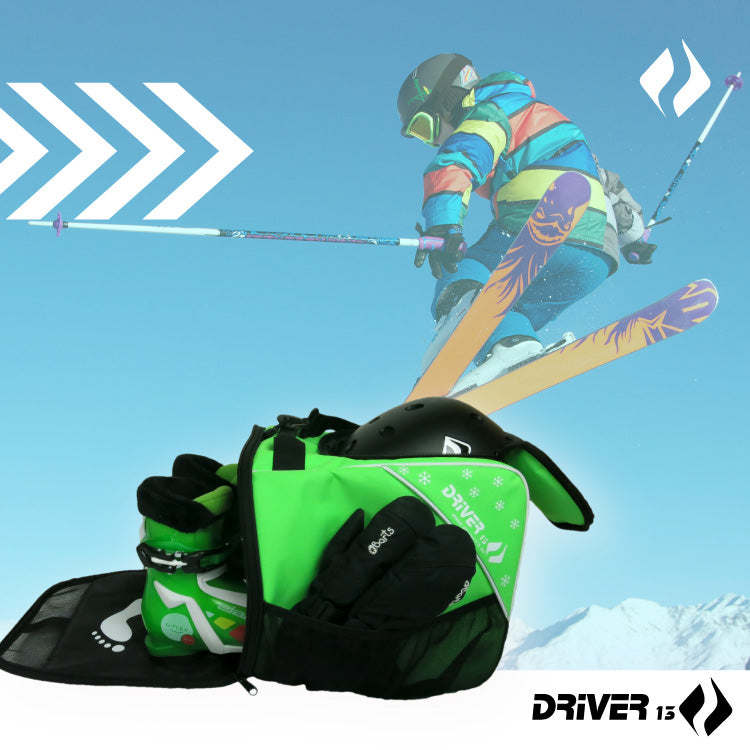
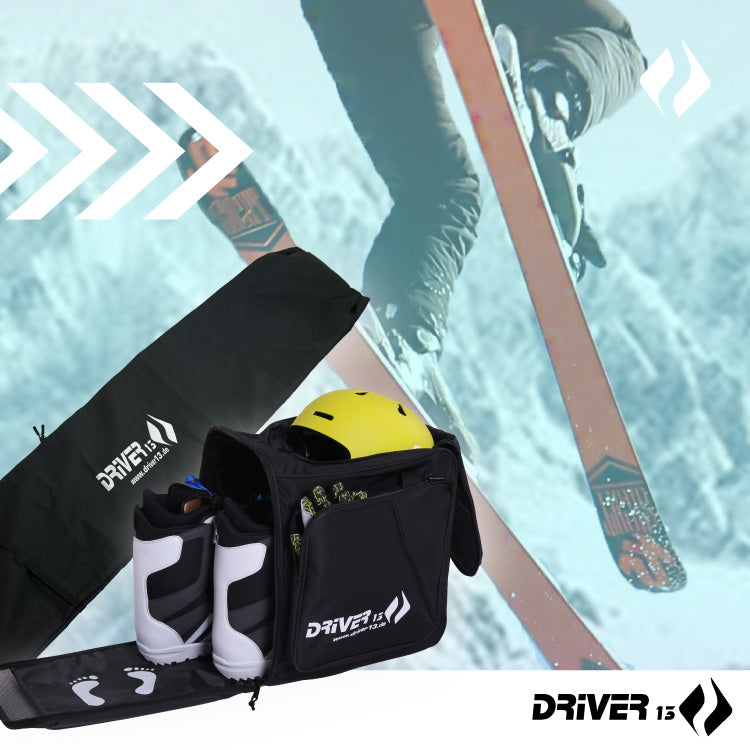
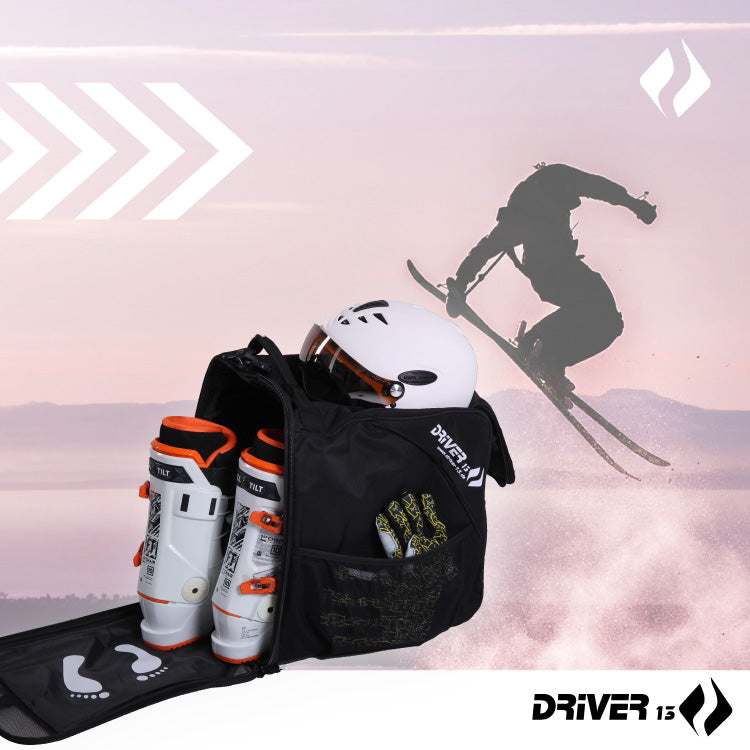

Anyone who has ever carried ski boots loosely in the trunk after a long day in the snow knows the problem: moisture, dirt, and hard buckles come into contact with clothing, the interior, and other equipment. When it comes to the question of boot bag vs. backpack, it is not just about the preferred way of carrying it. What matters are the walk to the lift, the amount of accessories, the condition of the boots after a day of skiing, and the requirements for organization during transport.
A classic boot bag and a ski boot backpack serve the same basic purpose: to store ski boots safely and separately from other equipment. However, they differ significantly in detail. Those who know the differences do not simply buy more storage space, but the bag that suits their own winter sports routine.
Boot Bag vs. Backpack: The Basic Difference
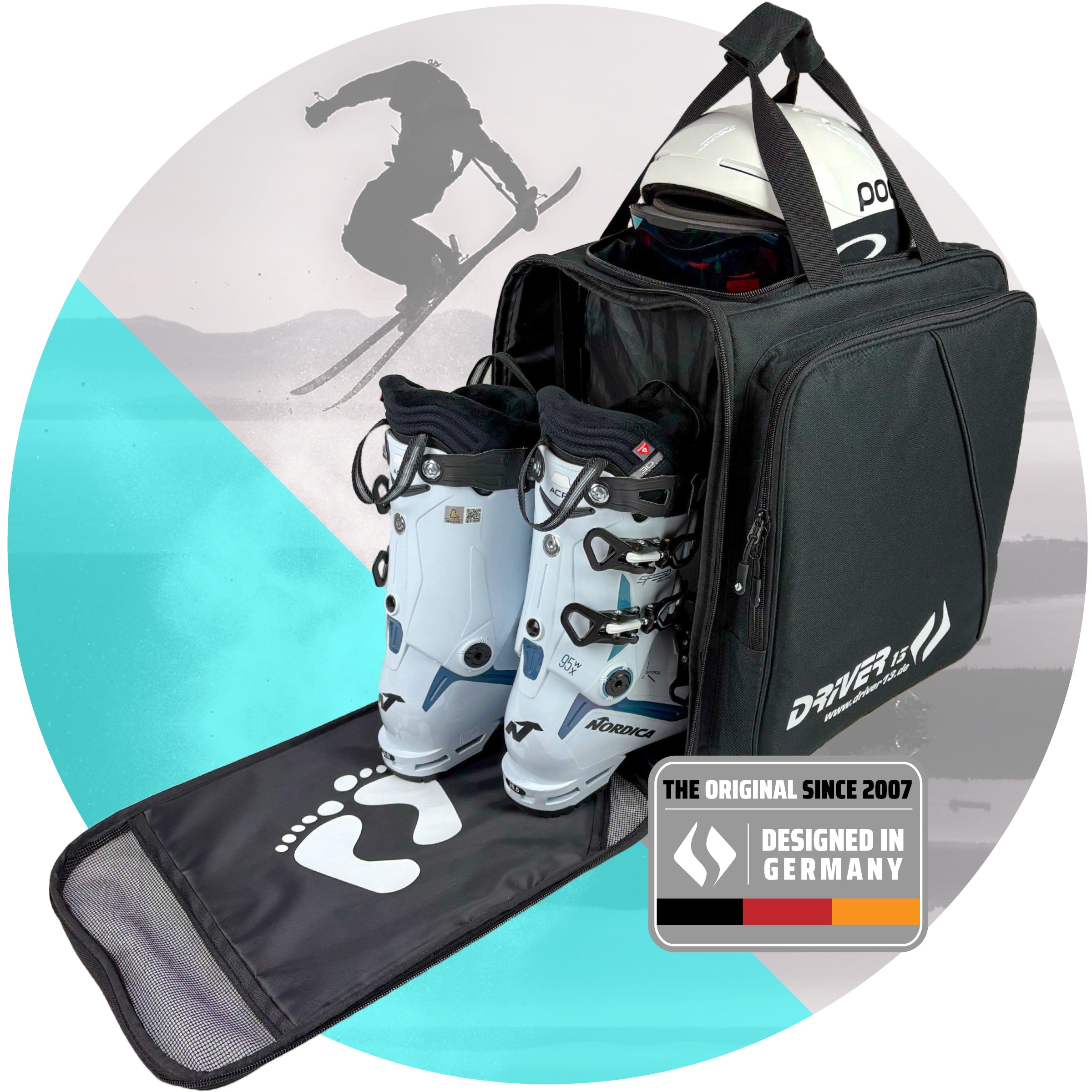
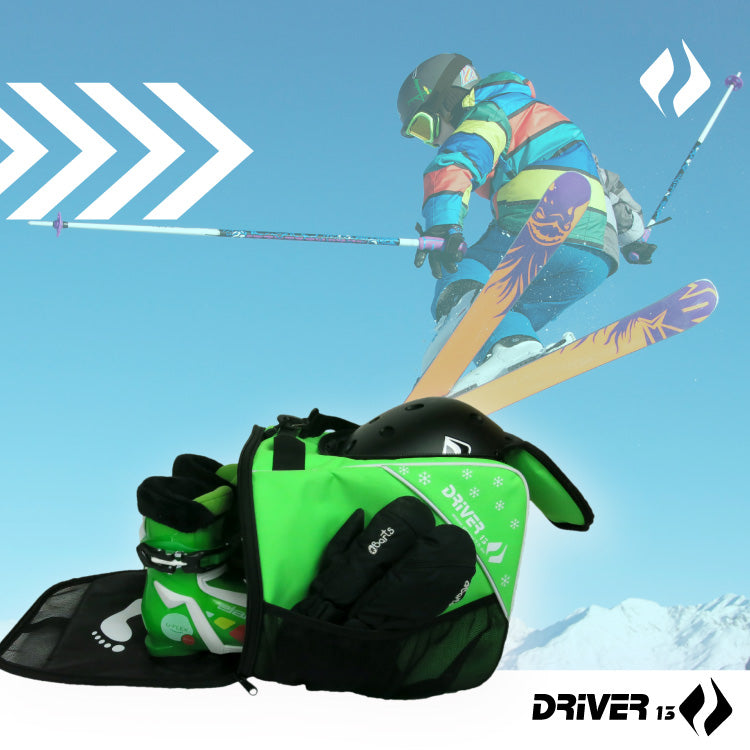
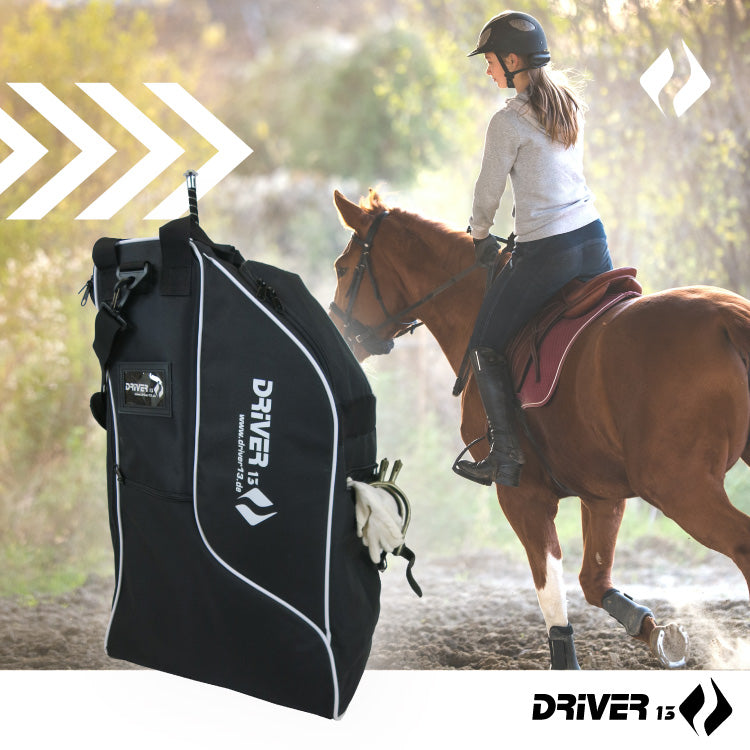
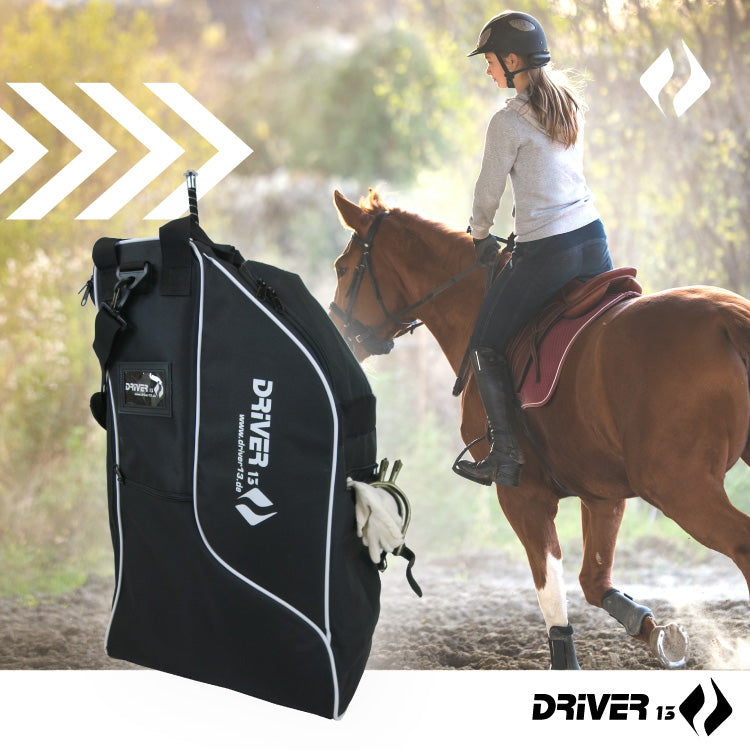
A boot bag is usually a compact boot bag with carrying handles and often a shoulder strap. The main compartment is designed for a pair of ski or snowboard boots. Depending on the model, smaller compartments for gloves, socks, ski goggles, or accessories are added. Its advantage lies in its ease of use: pack the boots, close the zipper, put it in the car, or carry it to the accommodation.
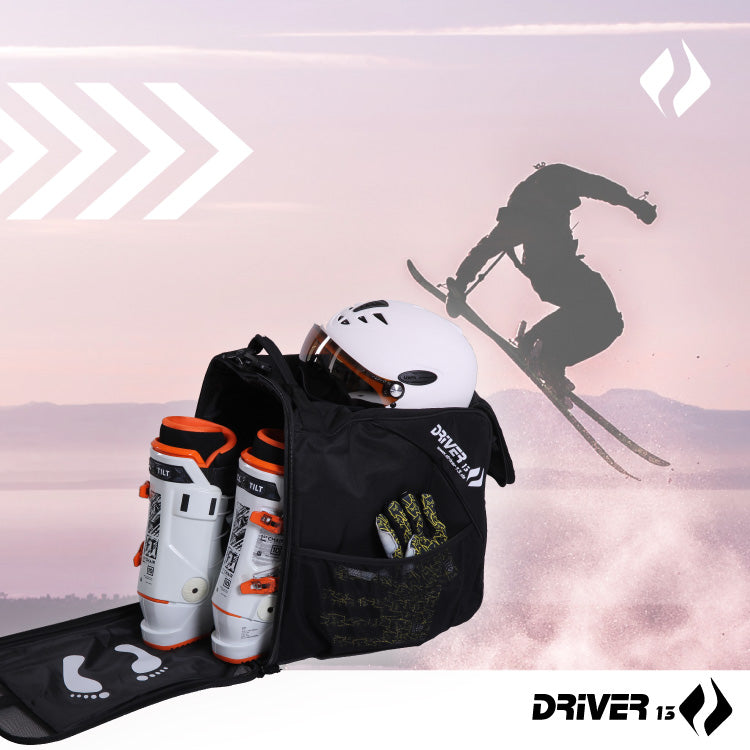
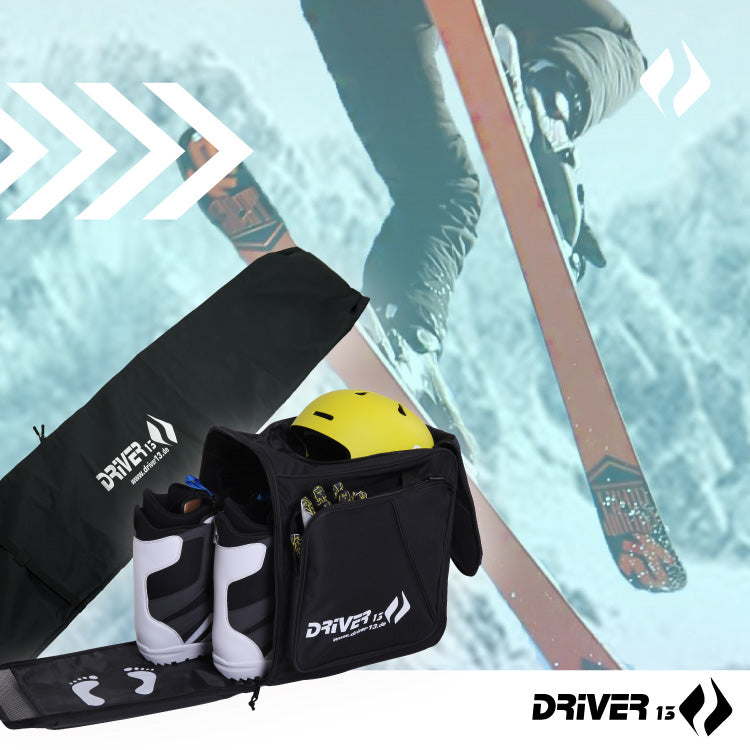
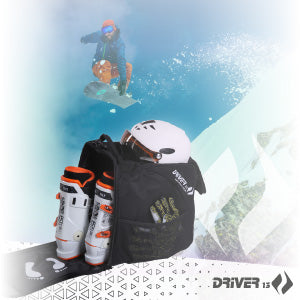
A boot backpack combines the boot compartment with a back-carrying system. Padded shoulder straps and often a chest strap distribute the weight better when longer distances are involved. In addition, many models offer separate compartments for a helmet, change of clothes, goggles, or food. This turns a pure boot bag into a transport solution for the walk from the parking lot, through the lift station, or across the extensive grounds.
The better choice is therefore not a question of right or wrong. A boot bag is usually more compact and uncomplicated. A backpack plays to its strengths when the equipment not only needs to be transported but also carried over a longer distance.
When a Classic Boot Bag Is the Practical Choice
For many skiers, the boot bag is the most efficient solution. Especially when transporting it in your own car or on short walks from the parking lot to the gondola, its clear division counts. The boots stay together, damp soles do not come into contact with a jacket or ski pants, and the bag can be quickly stacked in the trunk.
Families also benefit from this simplicity. When several people are out with ski boots, helmets, and clothing, one bag per pair of boots helps with organization. Children can usually handle their own boot bag more easily than a fully loaded backpack. At home, the bag can also be used as a permanent storage place so that the boots do not stand loose in the basement or hallway between ski days.
A boot bag is particularly suitable if you only want to transport the boots and a few small items separately. It is often lighter, requires less space, and thanks to its compact shape, can be easily stored in a roof box, bus, or ski locker. For day trips, where the helmet and clothing are already stored separately in the car, this is often completely sufficient.
The compromise: On longer routes, carrying it by the handle or shoulder strap quickly becomes uncomfortable. In addition, the volume remains limited. Anyone who wants to regularly carry a helmet, a second layer, drinks, and ski goggles will often need another bag in addition to the boot bag.
What Matters for a Boot Bag
An adequately large main compartment is important, which also works for ski boots with a wide shell or large sizes. A durable, preferably water-repellent bottom protects when placed on wet asphalt or in slush. Ventilation elements are also useful so that residual moisture can escape after a day of skiing.
Small exterior or interior compartments for gloves, ski pass, buff, or spare socks are practical. This does not replace a large backpack, but prevents important small items from disappearing loosely between the boots. Robust zippers and sturdy carrying handles are not an afterthought: ski boots are heavy, and the strain is renewed with every trip.
When a Boot Backpack Offers More Advantages
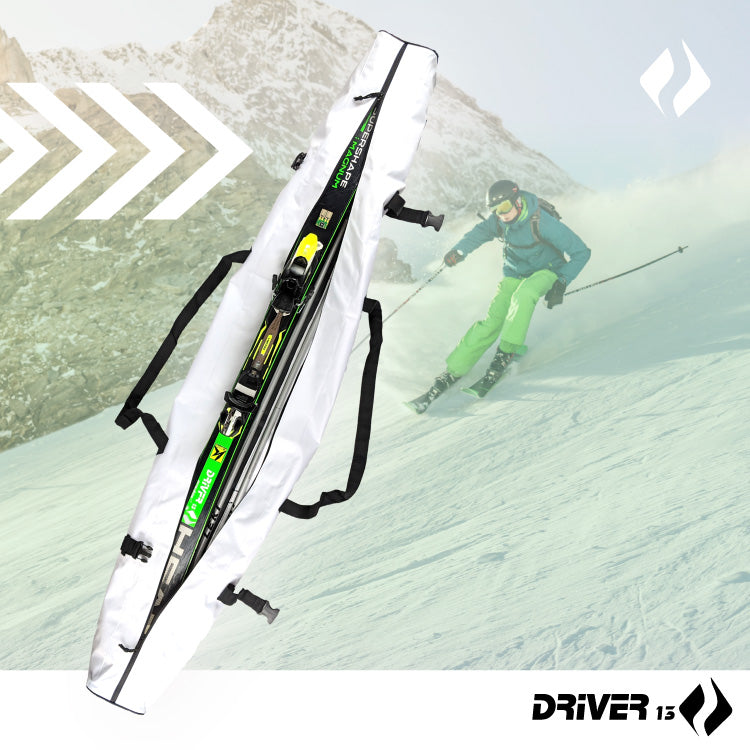
A ski boot backpack is made for athletes who actively move their equipment over longer distances. This can be the walk from a distant parking lot, the transfer by train and bus, or the walk through accommodation without direct access to the ski locker. With both hands free, other luggage, such as a pair of skis, can be organized more easily.
The central advantage lies in the weight distribution. Depending on the size and construction, ski boots bring a considerable amount of weight. Well-padded shoulder straps make carrying more comfortable than a one-sided shoulder strap, especially when the bag is additionally filled with a helmet and clothing. A chest strap stabilizes the fit so that the backpack does not constantly slip while walking.
For flights and ski vacations, the additional storage space is also relevant. Ideally, ski boots, helmet, goggles, gloves, and the first layer of clothing stay in one unit. This shortens packing and reduces the number of individual bags. Anyone who wants to go directly onto the slopes on the arrival day will find the necessary equipment in one place.
However, a backpack is not automatically better. When fully loaded, it becomes significantly larger than a pure boot bag. In a small car, a cramped gondola station, or a fully occupied ski room, this can be unwieldy. In addition, the extra storage space is only worth it if it is actually used. Anyone who always travels with a separate helmet bag and a large travel bag will not necessarily gain anything with a boot backpack.
Equipment That Counts with the Backpack
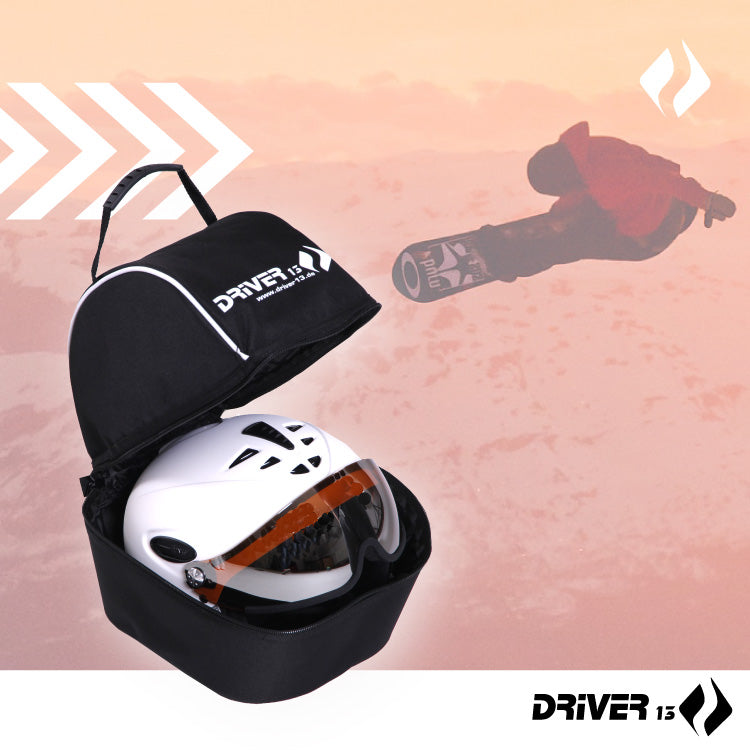
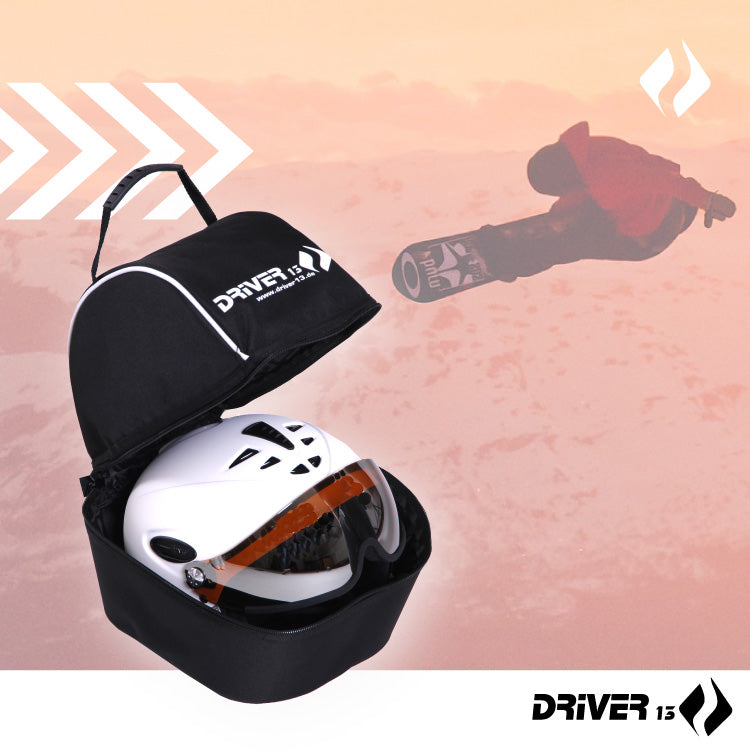
Pay attention to a clear separation of compartments. Ideally, the ski boots sit in a separate, easy-to-clean area, while the helmet and clothing stay dry. A separate helmet compartment prevents pressure on the ski goggles and protects the sensitive shell from scratches caused by buckles.
A good backpack should not only hold a lot but also stand stably when loaded. A reinforced bottom and a well-thought-out shape make packing in the trunk or at the parking lot easier. Easy-to-use zippers that can be operated with cold hands and gloves are also useful. With damp equipment, an interior material that can be wiped out helps, rather than permanently absorbing moisture.
Choosing the Right Bag According to the Area of Use
For the classic day trip by car, a boot bag is often the direct and space-saving solution. It keeps ski boots cleanly separated and creates order without bringing unnecessary volume. Anyone who only walks a few meters from the parking lot to the valley station does not necessarily need a pronounced carrying system.
For train travel, transfers, or longer walks, a boot backpack is usually more sensible. The same applies to families when one parent has to carry several things at the same time. Having a free hand for children, skis, or other luggage is often more valuable in everyday life than a particularly compact bag format.
Similar considerations apply to snowboard boots, even though they are often softer and shaped slightly differently than ski boots. Check the dimensions of the main compartment for both variants. The bag should be able to close without pressure. Too tightly packed boots strain the zippers, make storage more difficult, and make drying after use unnecessarily complicated.
The condition of the equipment also matters. Wet boots after rain on snow or spring conditions require a bag that absorbs moisture and protects the rest of the luggage. After returning, however, the boots and bag should still be opened and dried. No bag replaces airing out - it primarily prevents dirt and moisture from becoming a problem on the go.
Packing Without Chaos: How to Keep the Equipment Protected
Place the ski boots in the designated compartment with the soles facing down as much as possible and close the buckles so that they do not catch on fabric or other accessories. Remove coarse snow before packing. This saves moisture inside and makes cleaning easier after the trip.
The helmet and ski goggles should not be left unprotected between the boots. In a backpack, they belong in separate compartments or in a protective cover. With a boot bag, it is better to take sensitive equipment separately, provided there is no padded area. Gloves and socks, on the other hand, can be used well as a small intermediate layer, as long as they are not soaked after a day of skiing.
Driver13 develops sports bags precisely for these practical requirements: equipment should remain ready to transport, protected, and quickly accessible. What matters is not the largest bag, but a division that suits your own routine.
Choose the boot bag if compact boot transport is the priority. Reach for the backpack if routes, additional equipment, and free hands determine your ski day. Then the organization does not start on the slopes, but already with the first reach for the bag.