


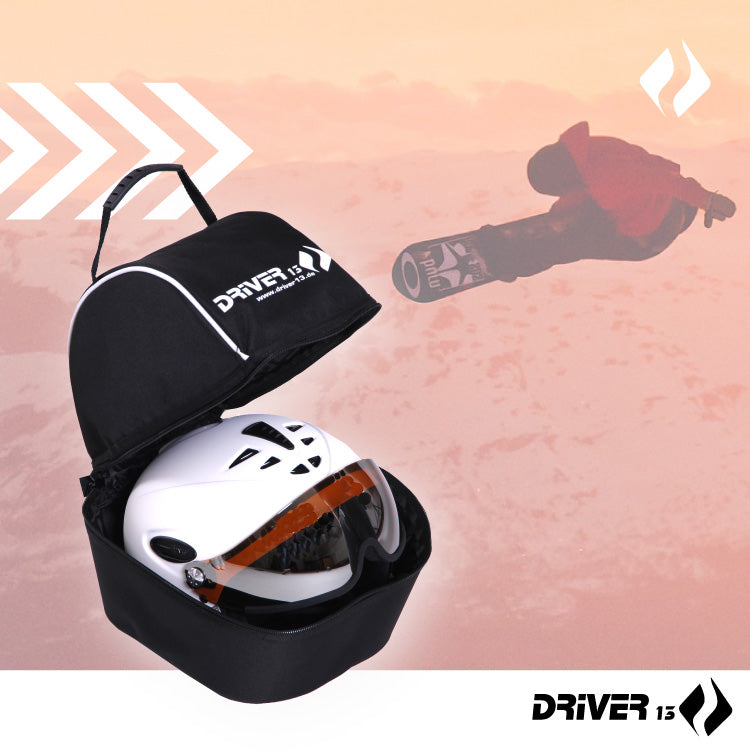
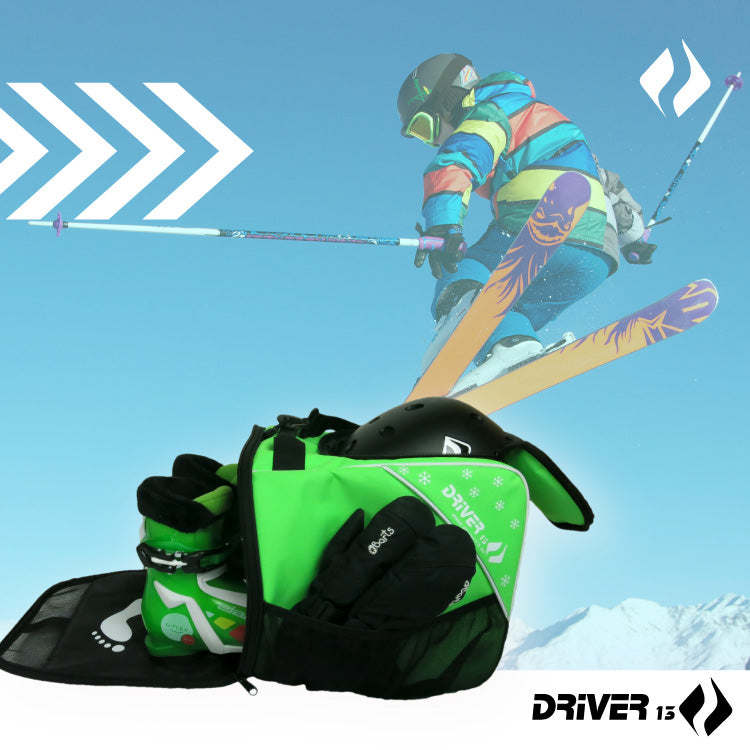
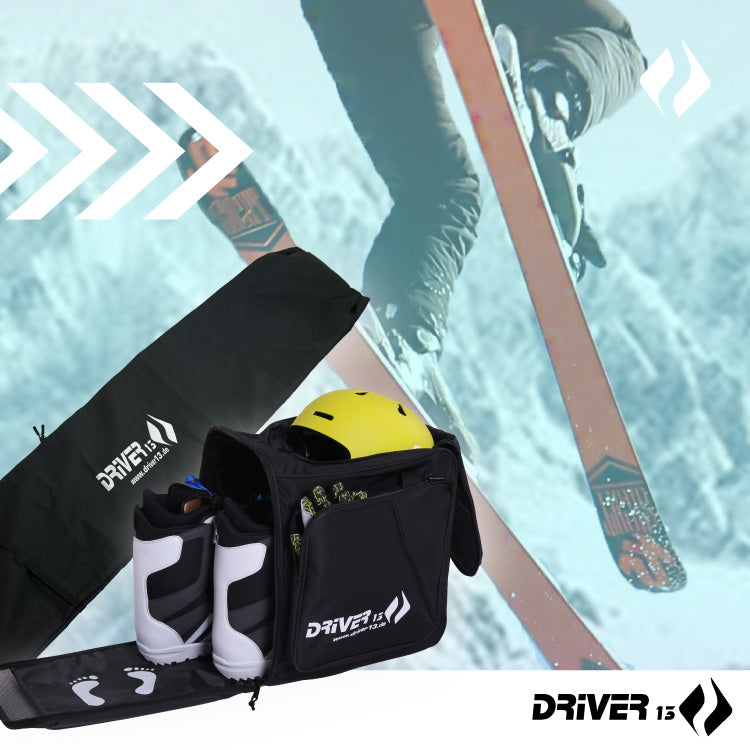
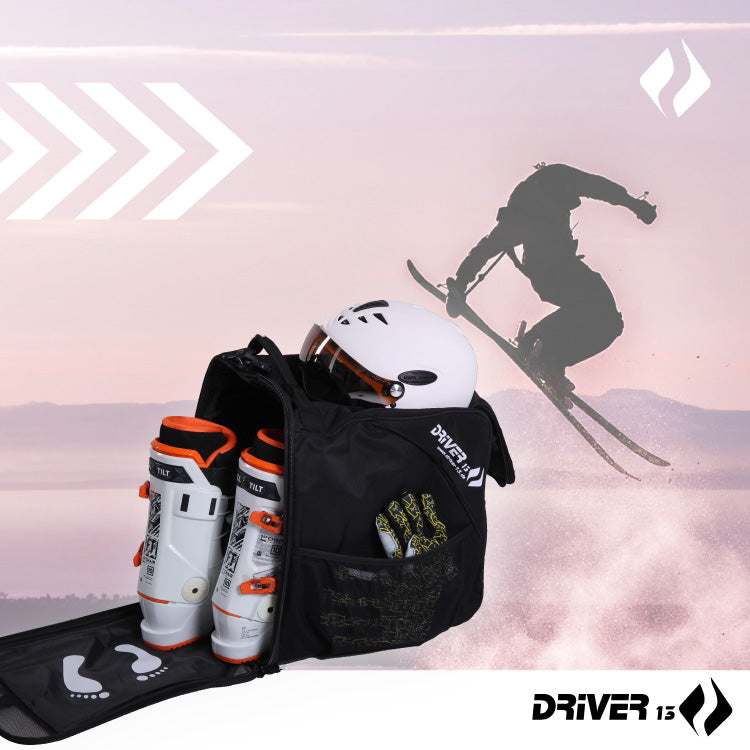

After training, a helmet is often left wherever there is space: in the trunk, between boots and jacket, or loose in the sports compartment. That is exactly when the question arises: Do you really need a helmet bag? For occasional use, a protected place at home may suffice. However, anyone who regularly takes their helmet to sports, on vacation, or to competitions will benefit significantly from a suitable transport solution.
A helmet bag is not an accessory reserved only for particularly expensive models. It protects safety-critical equipment from scratches, dirt, and unnecessary pressure, keeps other equipment separate, and makes transport more manageable. The key is not only the type of helmet, but above all how and how often it is used on the go.
When do you really need a helmet bag?
The short answer is: whenever the helmet is transported or stored outside your own closet. In the car, in the ski locker, in the changing room, or in the stable, helmets quickly come into contact with hard edges, damp clothing, dust, and dirty shoes. A bag will not prevent every impact, but it does reduce the everyday wear and tear that occurs when storing it loosely.
It is particularly useful when the helmet is part of a large amount of equipment. Ski boots, riding boots, protective gear, wetsuits, gloves, and clothing all need space. Without clear separation, materials rub against each other, damp items rest on sensitive surfaces, and small parts disappear exactly when you need them most. A separate helmet bag creates order without the helmet blocking an entire backpack.
Families know the situation too: Several helmets look similar, are carried back and forth between training, school, courses, and vacations, and easily get mixed up. A dedicated bag makes it easier to identify them and protects the helmet from getting buried under bags or groceries in the trunk.
Protection against scratches is not the only advantage
The outer shell of a helmet is designed for its respective use, but it should not unnecessarily rub against ski edges, buckles, tools, or zippers. Visible scratches are often purely cosmetic. However, deep damage, hard impacts, or cracks must be taken seriously. A bag does not replace an inspection of the helmet or make it impervious to damage. It does, however, help reduce avoidable everyday wear and tear.
Protection of the interior is at least as important. Padding, fasteners, turn-locks, and ventilation openings easily collect dust, sand, or pet hair. In ski and motorcycle helmets, the visor and sensitive surfaces can get scratched if they lie loose among other items. For riding helmets, the velvet cover, ventilation, and inner padding should stay clean. For watersports helmets, separating wet neoprene from dry accessories is practical.
A good helmet bag also makes storage between uses easier. The helmet stays in a fixed place instead of lying on a shelf, where it could fall or get mixed up with other materials. This is a simple organizational advantage, especially when home storage space is limited.
Which helmet bag is right for which sport?
A general-purpose bag can work for many helmets. However, anyone who regularly participates in a sport should still pay attention to shape, size, and typical accompanying equipment. A very compact bicycle helmet has different requirements than a ski helmet with a visor or a riding helmet with a wider shape.
Ski and snowboard helmets
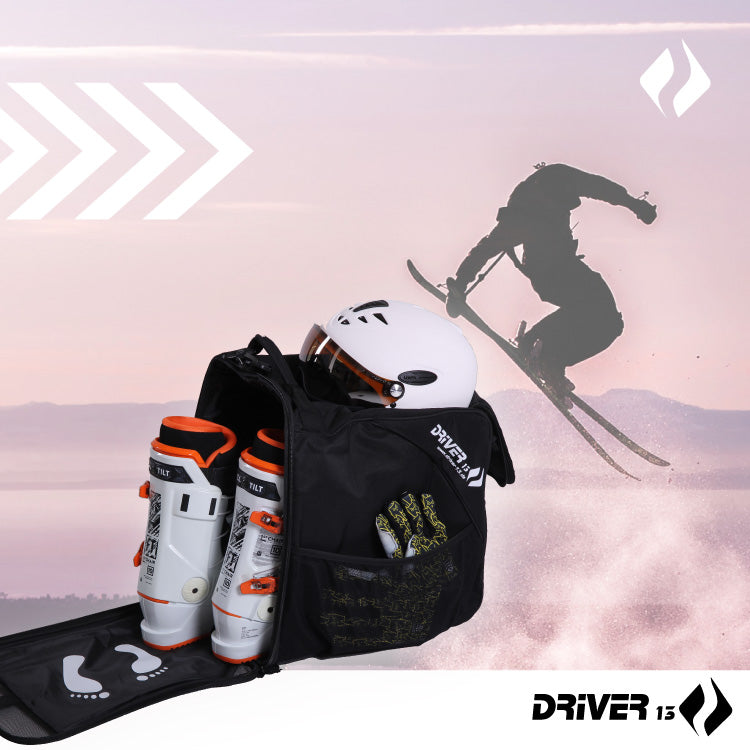
Ski helmets are often transported together with goggles, gloves, and a hat. Here, sufficient volume is important so that the goggles are not pressed against the helmet shell. A separate compartment or a well-thought-out interior layout can be useful if goggles and replacement lenses need to be carried safely. After a long day on the slopes, the helmet should first be allowed to dry. A bag is not a solution for airtightly storing damp equipment.
Riding helmets
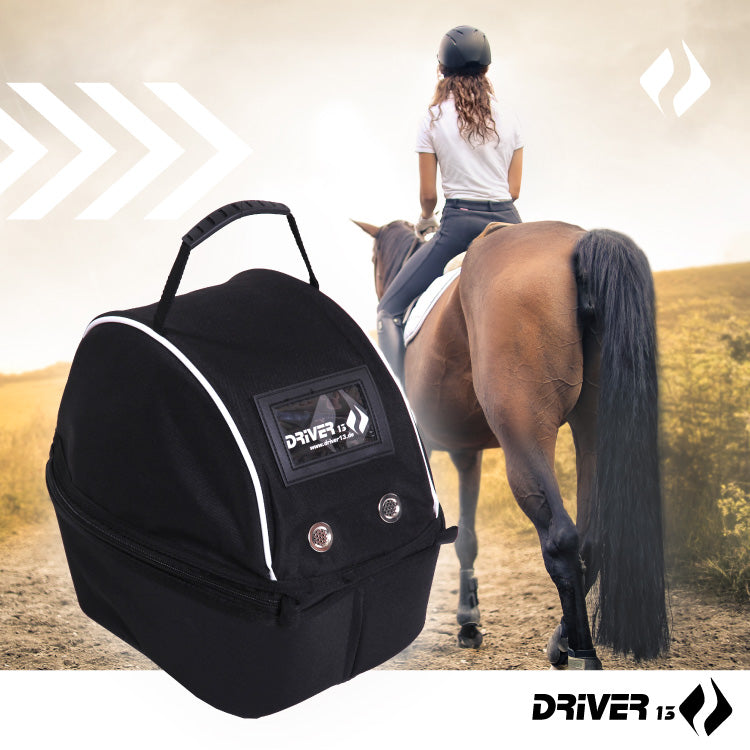
Riding helmets are often carried separately on the way to the stable, training course, or competition. They should stay clean and must not get buried under a grooming box, boot bag, or feed bucket in the car. A shape-retaining or well-padded helmet bag provides special protection when transporting it with other stable equipment. Carrying handles and a zipper that can be easily operated even with dirty hands are practical.
Motorcycle and motorsport helmets
For motorcycle helmets, the visor, mechanism, and often communication systems require special protection. A bag large enough prevents the visor from scratching against jacket zippers, buckles, or luggage while carrying it. For trips to training, the racetrack, or on travel, a solution with good protection and comfortable carrying is worth it. Anyone who leaves the helmet permanently in the top case or trunk should also protect it from heat, moisture, and direct sunlight.
Water and kite sports helmets
For watersports helmets, clean, separate transport is often the priority. After a session, wet equipment must not be permanently enclosed without drying. A bag is suitable for the trip to the spot and for dry storage. At home, the helmet and bag should be dried open so that unpleasant odors or moisture do not become embedded in the padding.
What matters for a helmet bag
When buying, it is not enough to know whether the helmet fits inside. It should be able to be stored without putting pressure on the shell, visor, or adjustment system. If in doubt, measure the widest part of the helmet and take into account attachments such as a peak, visor, or camera mount.
The material should be suitable for everyday use and separate the helmet's surface from other equipment. Light padding is useful if the helmet is frequently carried in the car or in a larger sports bag. A sturdy zipper keeps the bag reliably closed. A carrying handle makes the walk from the parking lot to the hall, slope, or stable aisle easier.
Also pay attention to ventilation and care. Damp helmets should not be immediately closed in the bag. Let the inner padding and outer shell dry after use and remove coarse dirt. The bag itself should be wipeable or washable when necessary. This is particularly relevant for winter sports, equestrian sports, and watersports, because moisture and dirt are part of everyday life here.
When a helmet bag is less important
Not every helmet necessarily needs its own bag. Anyone who uses a helmet exclusively at home, keeps it clean, and never transports it can do without one. Even for a short walk to the bicycle rack or the nearby sports hall, a bag is not always necessary.
However, as soon as multiple pieces of equipment, car rides, public transport, competitions, or travel come into the picture, the situation changes. Then it is no longer just about the helmet shell. It is about packing equipment faster, keeping it cleanly separated, and arriving at the venue with everything intact. Especially with regular training, a fixed transport routine saves time and frustration.
Helmet bag or large sports backpack?
A large backpack can partially replace a helmet bag if it offers a sufficiently large, separate, and clean compartment. This is practical for minimalist equipment. The disadvantage: the helmet, clothing, food, and small parts often share the same storage space. Moisture quickly builds up after sports, and pressure can be placed on the helmet when packing.
The separate bag is the better choice if the helmet needs to be transported protected, within easy reach, and independently of wet or dirty equipment. It can also be conveniently placed in a larger bag, in the trunk, or in a closet. For athletes with extensive equipment, this separation is usually the more practical solution.
Driver13 develops sports bags for exactly these types of transport: from everyday training to competitions and travel with full equipment. The key is not to own as many bags as possible, but to give every piece of sensitive or dirt-prone equipment its own suitable place.
Anyone who regularly takes their helmet with them not only protects the surface with a helmet bag. It creates a fixed routine: let the helmet dry, inspect it, pack it away, and have it immediately within reach for the next use. This is a small solution with a noticeable benefit in everyday sports life.


