


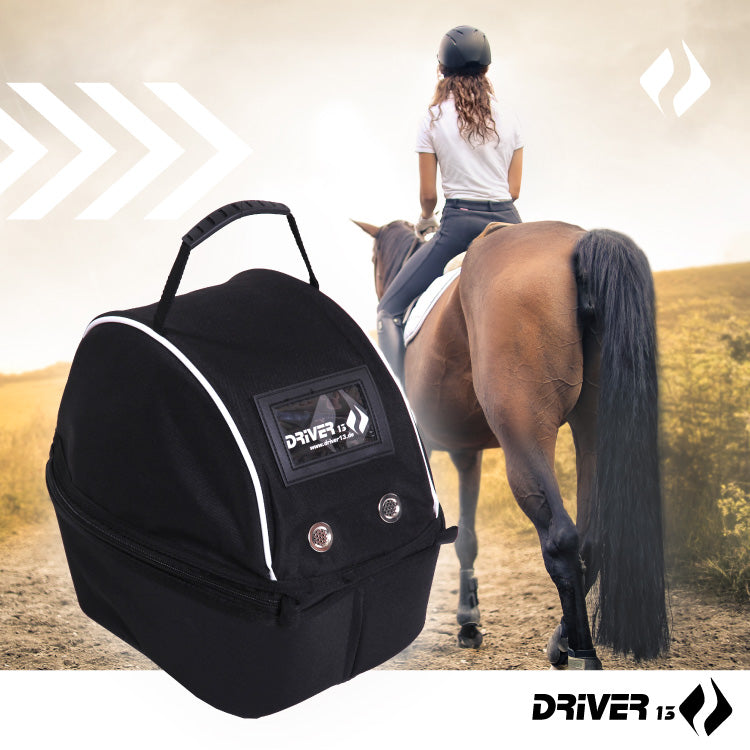
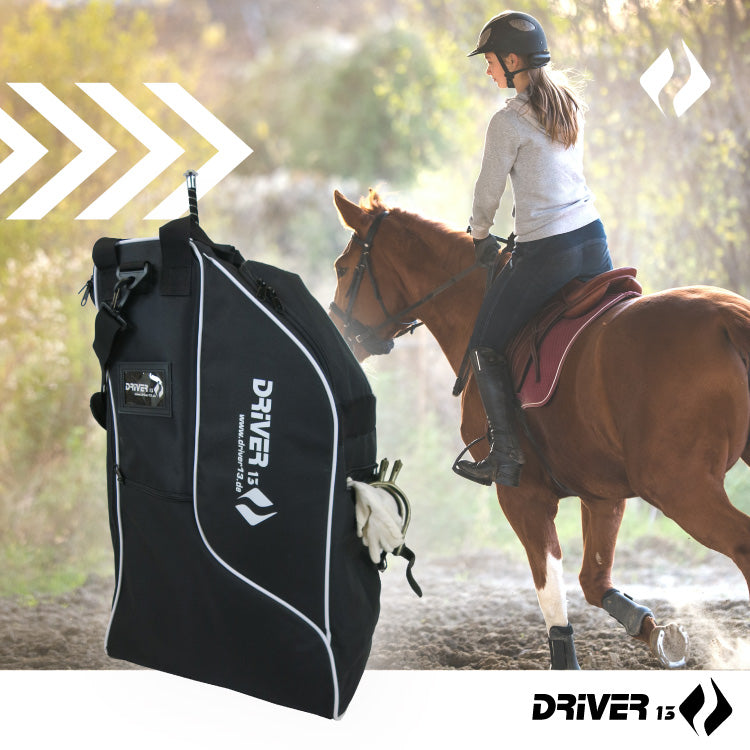
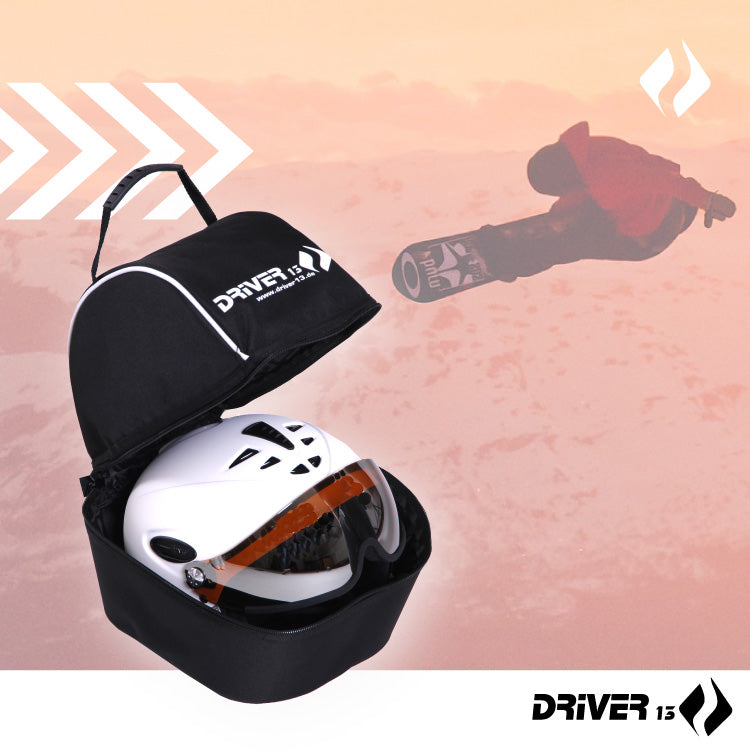
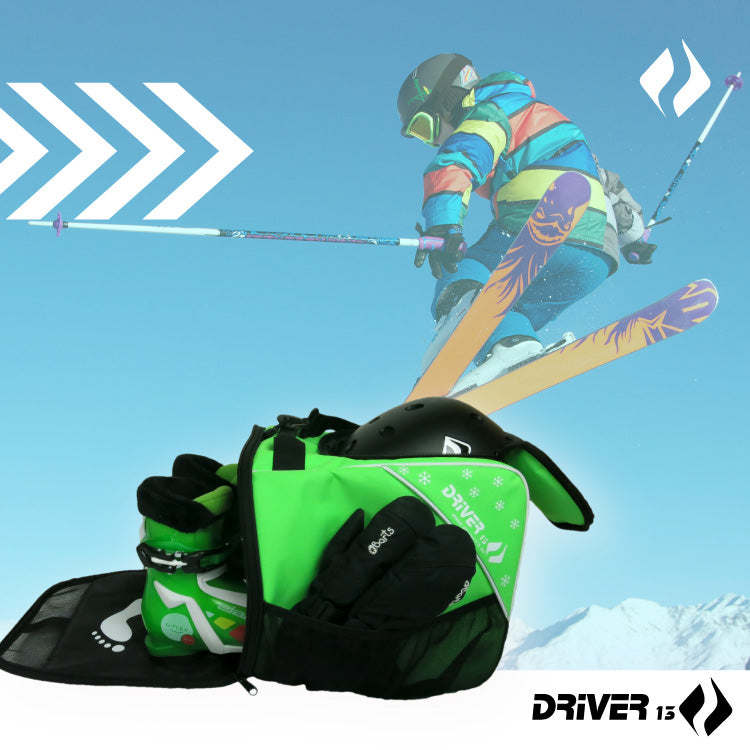
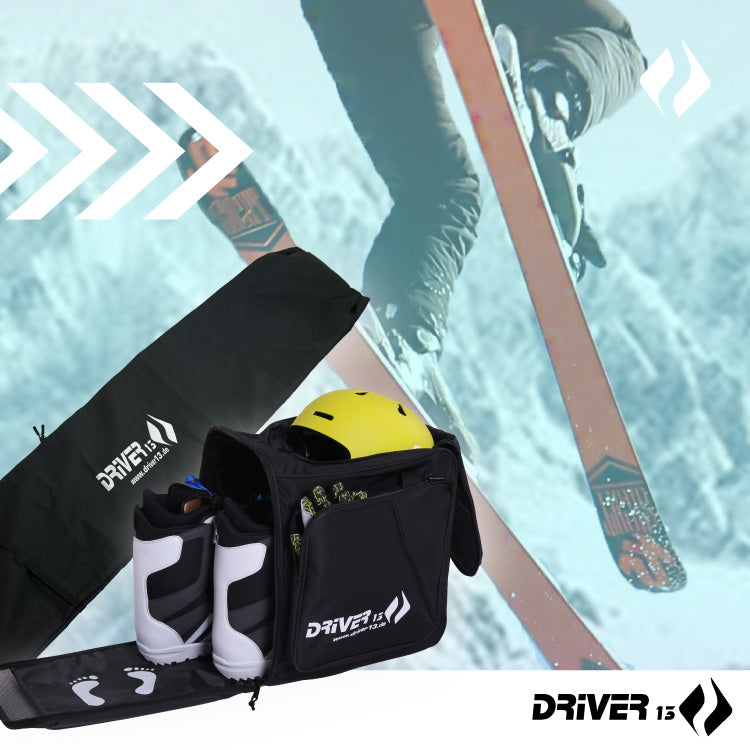
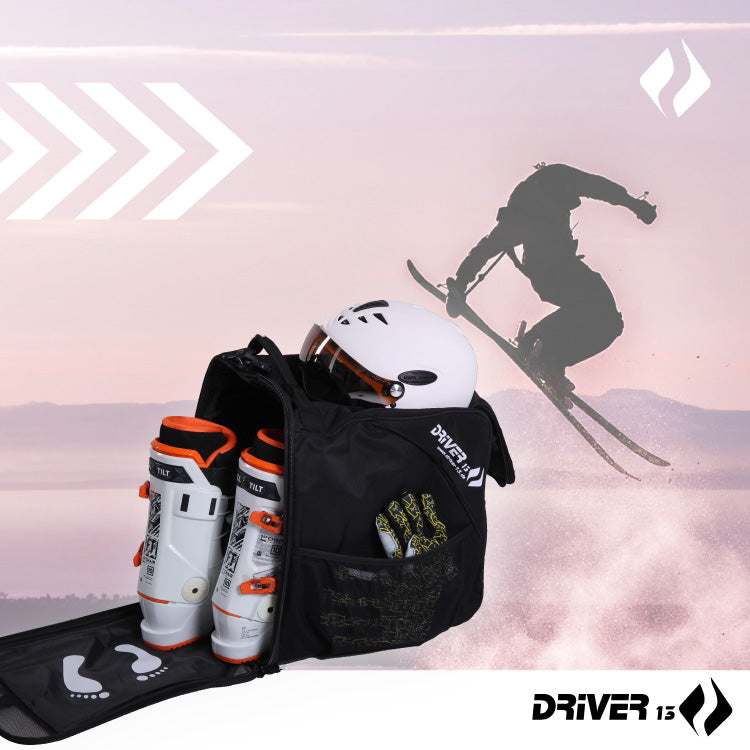
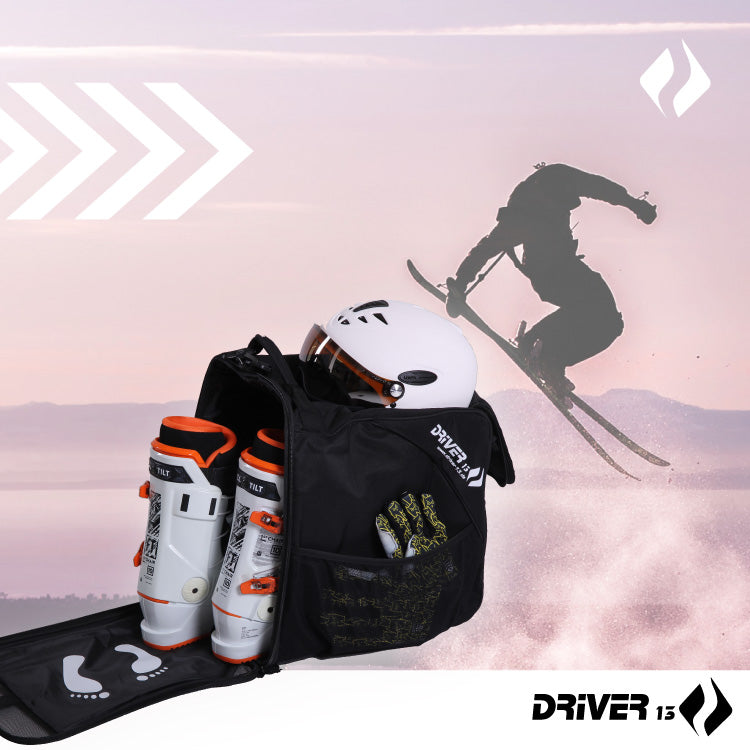

A helmet often only becomes sensitive equipment when it lies in the car next to ski boots, riding boots, or tools. A meaningful helmet bag review therefore evaluates not only material and appearance. The crucial point is whether the bag keeps the helmet clean, protected, and handy on the way to training, the slopes, the tournament, or the racetrack.
For active athletes, a helmet bag is not just any cover. It separates the helmet from wet clothing, dusty shoes, and loose accessories. At the same time, it simplifies packing: The helmet has a fixed place and does not have to be searched for among other equipment. However, which bag is suitable depends heavily on the helmet, the route of transport, and the frequency of use.
Helmet bag review: These criteria matter
A sensible comparison begins with protection. Depending on the sport, helmets have sensitive outer shells, ventilation openings, visors, helmet shields, or adjustment dials. Scratches rarely occur from carrying alone, but from storage and contact with hard equipment. A good helmet bag therefore needs a sufficiently sturdy outer material and an inner surface that does not rub the shell.
Padding is not an end in itself. For the short journey from the locker to the car, a light, soft bag is often sufficient. Anyone who regularly transports the helmet in the trunk, carries it in the ski bus, or stores it with heavy equipment will benefit from a more heavily padded version. It absorbs shocks, but does not replace careful handling: A helmet should not lie under skis, boots, or tool cases even in a padded bag.
Fit is equally relevant. A bag that is too small will strain at the zipper and can exert pressure on the visor, shield, or shell. In a bag that is clearly too large, the helmet will slide around. Especially with ski helmets with a large visor, motorcycle helmets with a pronounced shape, or riding helmets with a flexible shield, the inner height should be checked before purchase. The outer dimensions alone say little about how well a helmet really fits inside.
The zipper is a detail with a major impact. It should open wide enough so that the helmet can be packed without pulling or jamming. An easy-glide zipper saves time, especially with cold fingers after a day of skiing or when several bags are being loaded before a tournament. Covered or neatly finished zipper areas additionally help to avoid direct contact between metal parts and the helmet shell.
The material must suit the use
In winter sports, water sports, and equestrian sports, moisture regularly gets into the luggage. A helmet bag does not have to be completely waterproof to be useful. It is more important that it keeps out spray, snow, and dirt during transport and does not permanently trap moisture after use. A damp helmet should be unpacked and dried at home. The bag is a transport and protection solution, not a storage place for permanently wet equipment.
Ventilation can therefore be an advantage. Air-permeable inserts or a material that does not unnecessarily trap moisture support drying on the go. At the same time: More ventilation means less protection against dust and rain. Anyone who primarily transports the helmet dry in the car or in the closet can prefer a more closed bag. For regularly damp ski or water sports equipment, a balanced ratio of protection and air exchange is more practical.
Care should work without effort. Dirt from the slopes, sand from the spot, or dust from the riding hall are part of everyday sports life. A wipeable outer material and an interior that can be easily shaken out or cleaned make a noticeable difference in the long run. Light, sensitive fabrics look clean at first, but are not always the best choice with frequent use.
Carrying comfort and order on the go
A helmet bag is often carried alongside other bags. Therefore, the handle should lie comfortably in the hand and be securely sewn. An adjustable shoulder strap is useful if boot bags, ski bags, or sports bags also need to be carried to the parking lot, the locker room, or the accommodation. For children, a handy format is particularly helpful: The helmet remains independently packed and can be carried by them.
Additional compartments are practical, provided they do not interfere with the main purpose. A separate compartment for gloves, balaclavas, lens cloths, or small care items keeps important things together. For ski goggles, a soft side compartment can be useful so that they do not rub loosely against the helmet. For motorcycle or motorsport helmets, small compartments for earplugs, visor cleaner, or spare parts are suitable. However, too many small subdivisions bring little if they take up space in the main compartment or make the bag unnecessarily heavy.
A name tag can be very useful for club trips, ski courses, or tournaments. This may sound trivial, but it prevents confusion when several similar helmet bags are in the changing room or the transporter. Anyone who regularly travels with the family saves time when packing and unloading with clearly marked bags.
Which helmet bag is suitable for which sport?
Ski and snowboard helmets usually need space for a bulky shape and often additionally for ski goggles. Here, the protection of the smooth shell against scratches from ski edges, buckles, and hard shoes is paramount. A bag with a soft interior, wide opening, and sufficient space for goggles or accessories is particularly practical for winter holidays.
For riding helmets, the shield is an important factor. It must not be bent or permanently put under tension when packing. Furthermore, riders often transport the helmet together with boots, cleaning supplies, and clothing. A separate, clearly defined helmet bag protects against dust from the riding hall and keeps the helmet away from damp or dirty pieces of equipment.
Motorcycle and motorsport helmets have different requirements. Full-face helmets usually need more interior volume, while visors are particularly sensitive to scratches. For the way to the track or on trips, a bag with good padding and a secure closure is useful. Anyone who frequently takes a helmet with the vehicle should also keep in mind that a bag does not offer theft protection. It protects the helmet during carrying and storage, not against unauthorized access.
In water and kite sports, salt, sand, and moisture are added. After use, the helmet should first be rinsed and dried before being put in the bag for a longer period. The bag prevents sand and wet neoprene clothing from damaging or dirtying the helmet. However, it cannot compensate for corrosive salt residues - the care of the helmet remains indispensable.
Avoid common wrong purchases
The most common mistake is buying based on a photo instead of dimensions. Measure the helmet including visor, shield, and possible goggle holder, and compare these values with the usable interior space of the bag. If a helmet is already delivered with a thin cover, a second light bag for short journeys may suffice. For regular trips with a lot of equipment, however, an independent, more protective solution is worth it.
The planned transport also decides. In an empty trunk, the helmet needs less protection than in a fully loaded car. In checked luggage or a trailer, the stresses are higher, so additional padding becomes more important. Anyone who only uses the bag seasonally can pay attention to easy handling and compact storage. With weekly training, durable seams, a reliable zipper, and an easy-care surface count more.
A review should also honestly weigh protection against weight. More padding usually increases volume and weight. A light bag is quicker to pack away and comfortable to carry, but offers less reserve against pressure from the outside. The best choice is not automatically the most heavily equipped model, but the bag that suits your own helmet and the actual way to your sport.
Driver13 offers helmet bags for various sports, so that helmet shape, protection requirements, and other equipment fit together sensibly. Anyone who honestly checks dimensions, transport conditions, and accessories before purchase will not end up with another bag in the closet, but with a fixed, clean place for an important piece of equipment.
After each use, place the helmet dry and without pressure in its bag - this not only makes it easier to find at the next training, but also better protected.


