
After a day of skiing, the helmet often ends up wherever there is space: in the trunk between ski boots, under wet gloves, or loose in the holiday apartment. Anyone who wants to store a children's ski helmet safely should avoid exactly that. A ski helmet only provides reliable protection if the outer shell, shock absorption, and closure remain undamaged. Pressure points, falls from the car, or permanently damp padding are not merely cosmetic flaws.
For families who regularly go to the mountains, a simple rule is worth it: The helmet gets a fixed, protected place—on the drive, at the holiday destination, and at home. This saves time in the morning and helps keep expensive equipment functional for a long time.
Why a children's ski helmet needs special protection
Children's helmets are subjected to more wear and tear in everyday use than many parents expect. When loading and unloading, children often carry their equipment themselves. The helmet is set down, falls from the trunk seat, or lies between skis, poles, and hard-shell ski boots. Especially ski boot buckles, pole tips, or sharp-edged binding parts can damage the shell and ventilation openings.
A visible crack is not the only deciding factor. A severe impact can also impair the shock-absorbing inner layer, even though the helmet still looks intact on the outside. After an accident or a hard impact, the helmet should therefore be professionally inspected and replaced if in doubt. A bag does not prevent a fall on the slopes, but it does protect against many avoidable stresses during transport and storage.
Then there is moisture. Sweat, melted snow, and wet hair soak into the padding. If the helmet is packed directly into a closed bag and forgotten there overnight, odors can develop. The interior dries more slowly, and prolonged damp storage compromises comfort.
Storing a children's ski helmet safely: Bag instead of trunk chaos
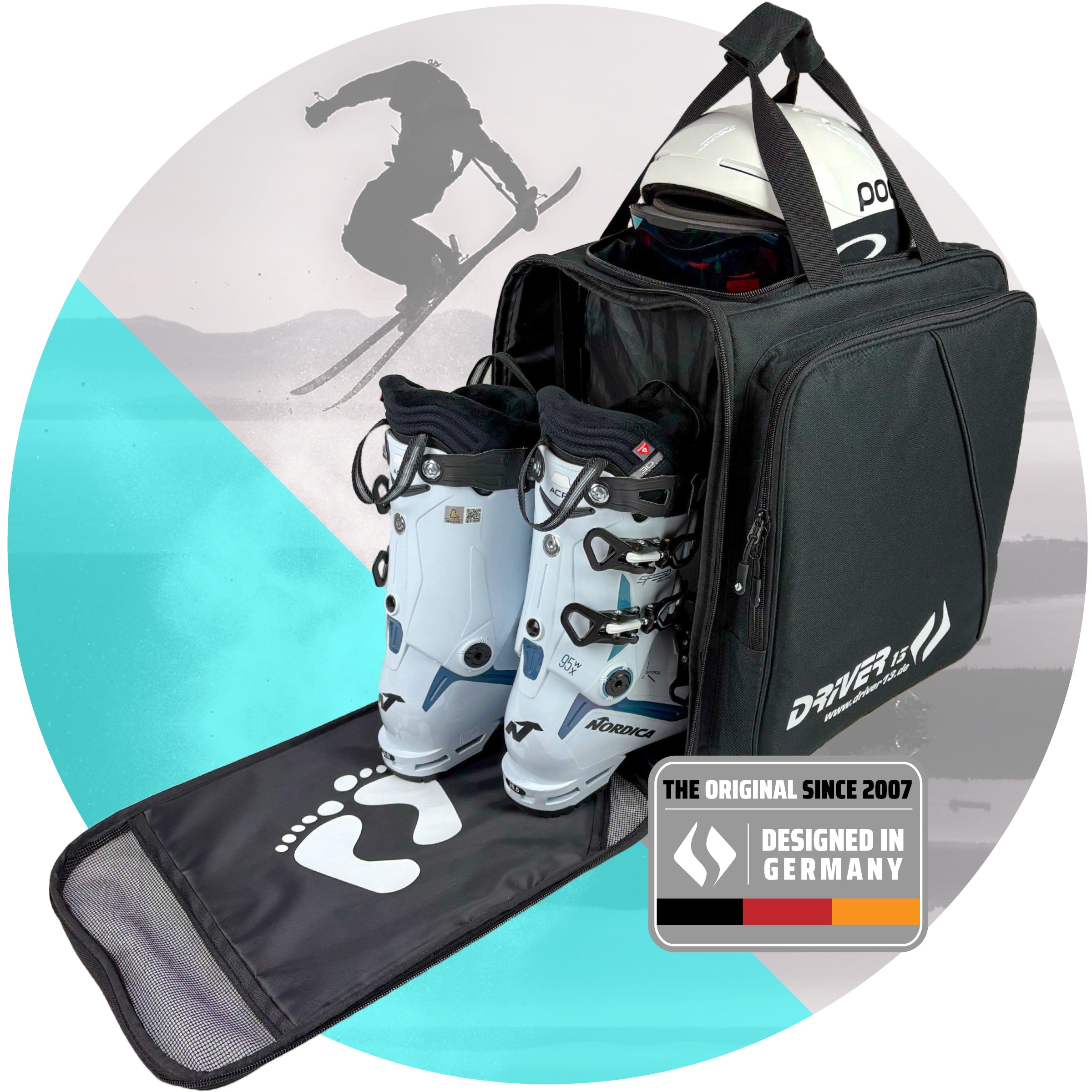
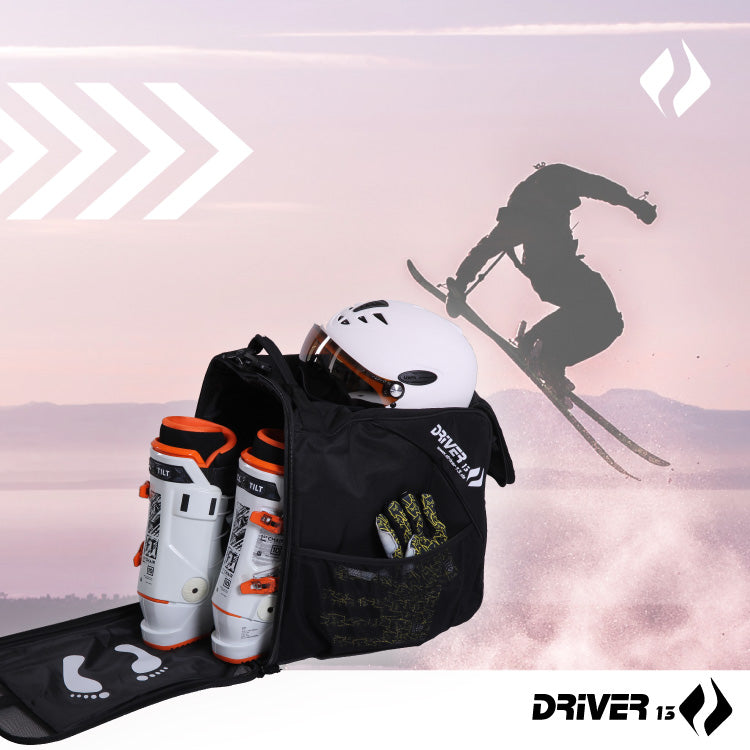
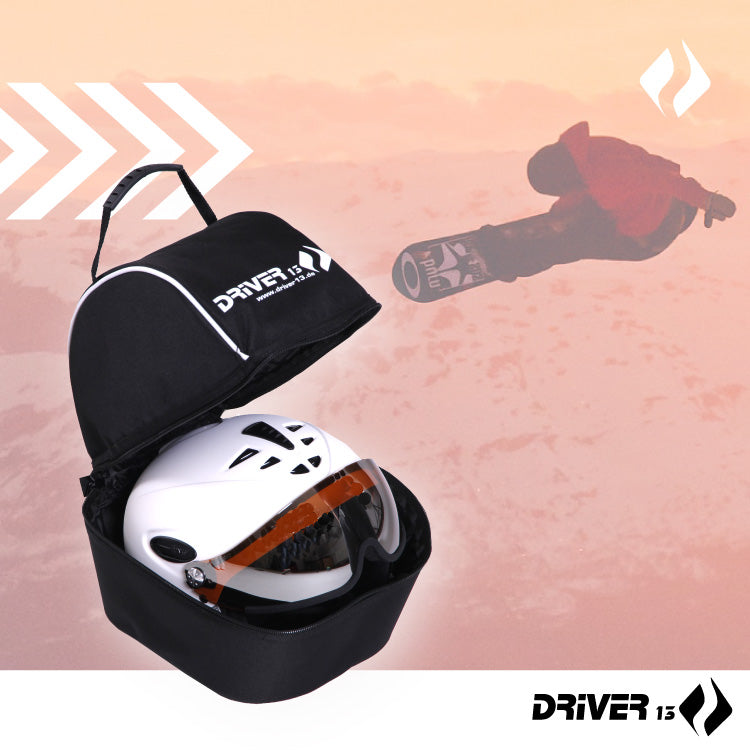
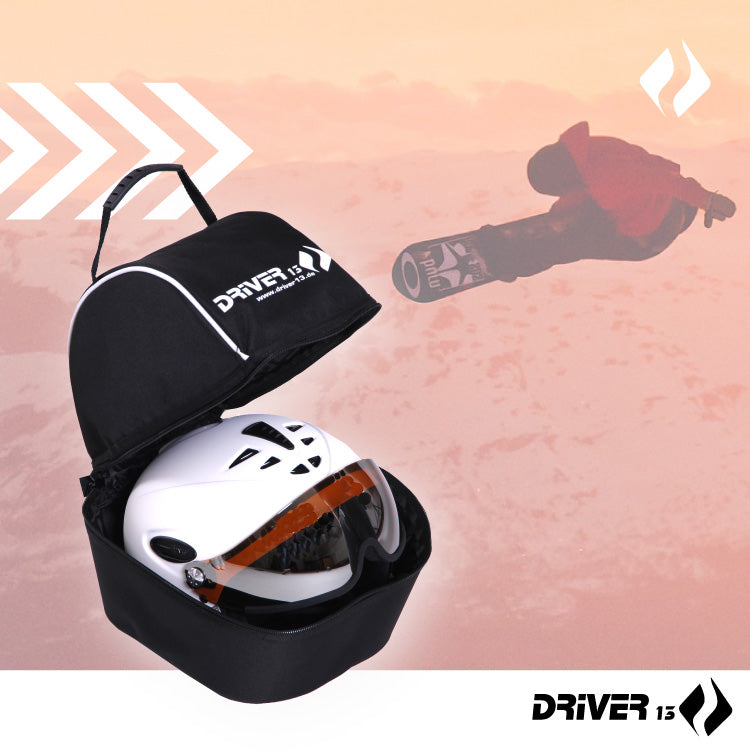
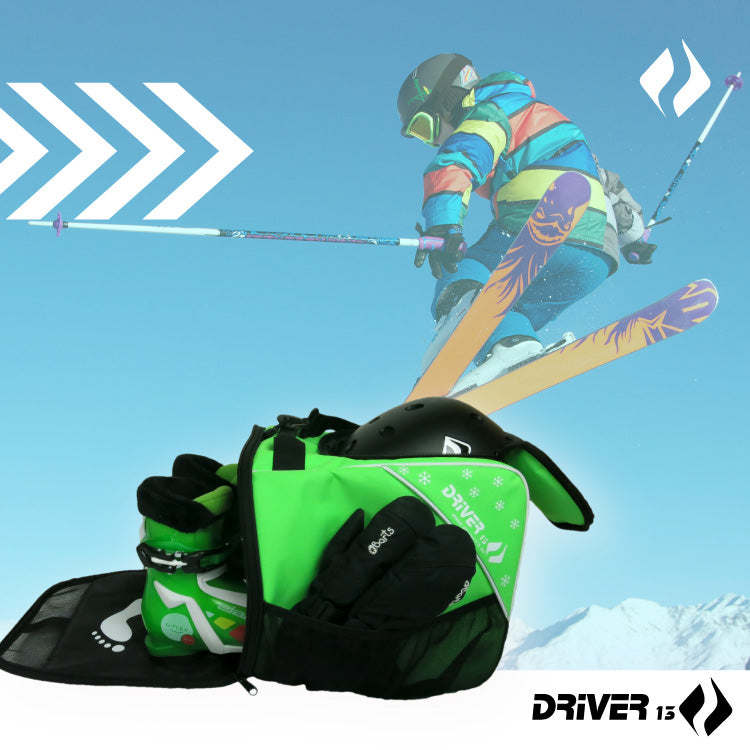
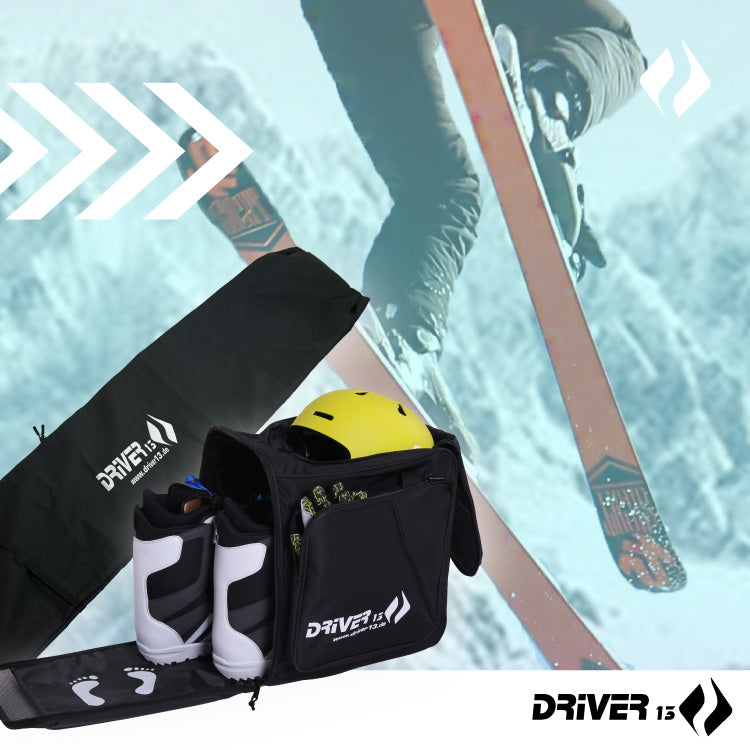
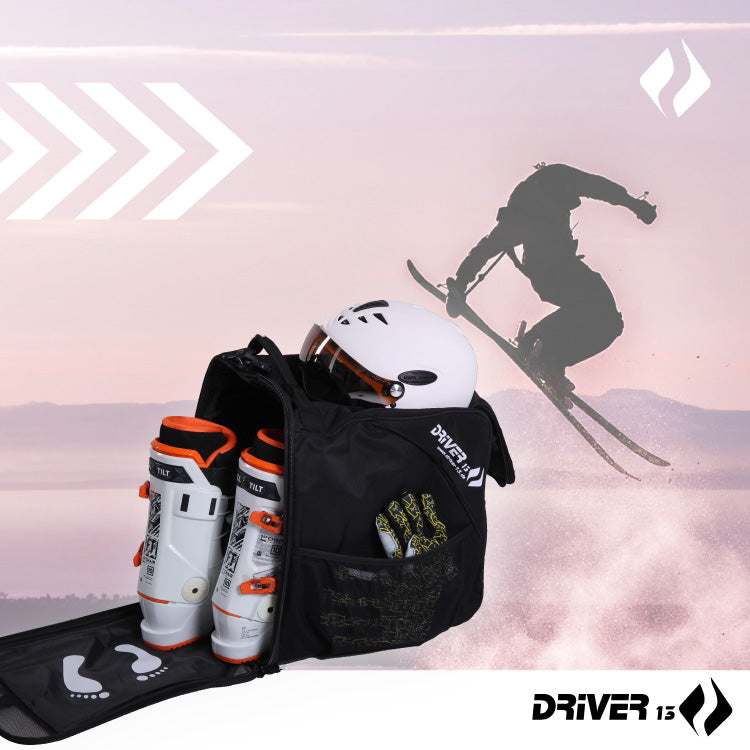
A separate helmet bag is the most practical solution if the ski helmet is taken along regularly. It separates the helmet from hard or dirty equipment, protects the surface from scratches, and gives the helmet a clear place. This is especially helpful when several people are traveling together and children's helmets, adult helmets, and ski goggles are transported together.
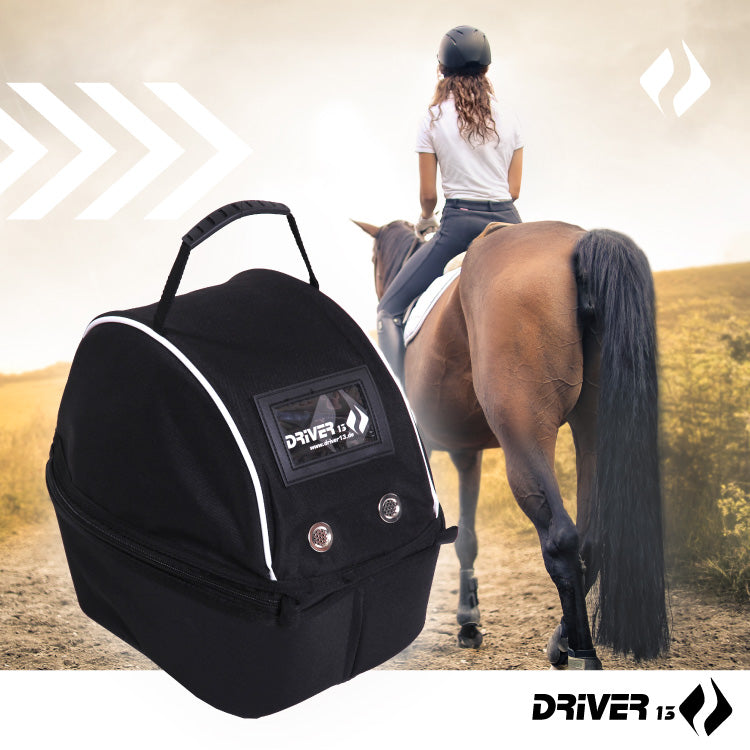
A good helmet bag should offer enough space without the helmet sliding around loosely inside. A zipper protects against dust and dirt, while a carrying handle makes the journey from the parking lot to the accommodation easier. Padded versions offer additional protection against impacts in the car or in the roof box. For families who move a lot of equipment, a durable outer surface that withstands snow, moisture, and contact with ski boots in the trunk is also important.
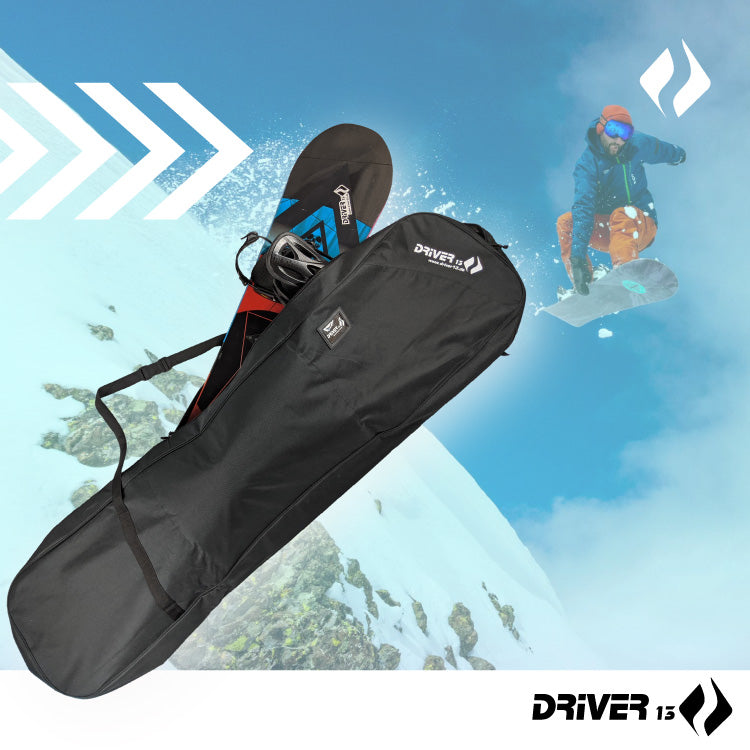
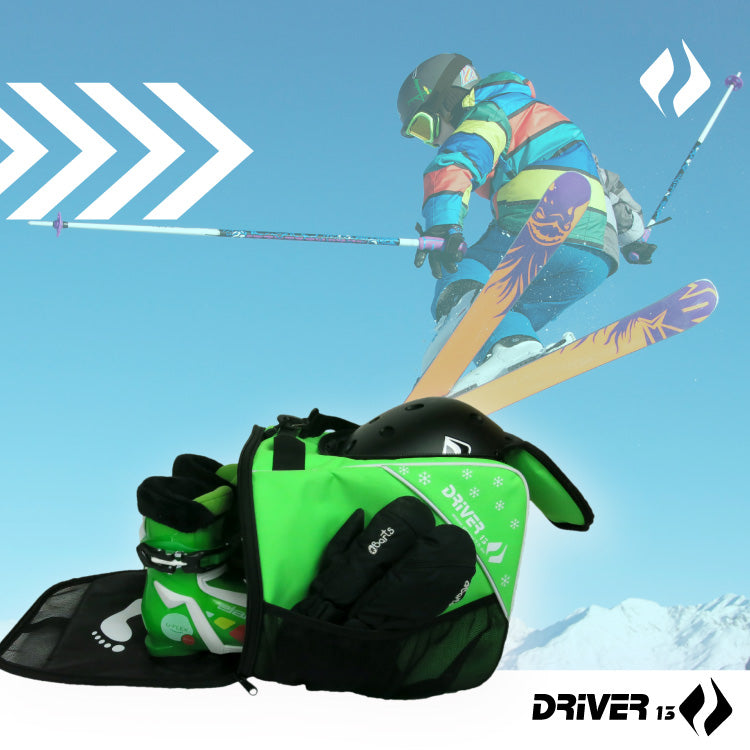
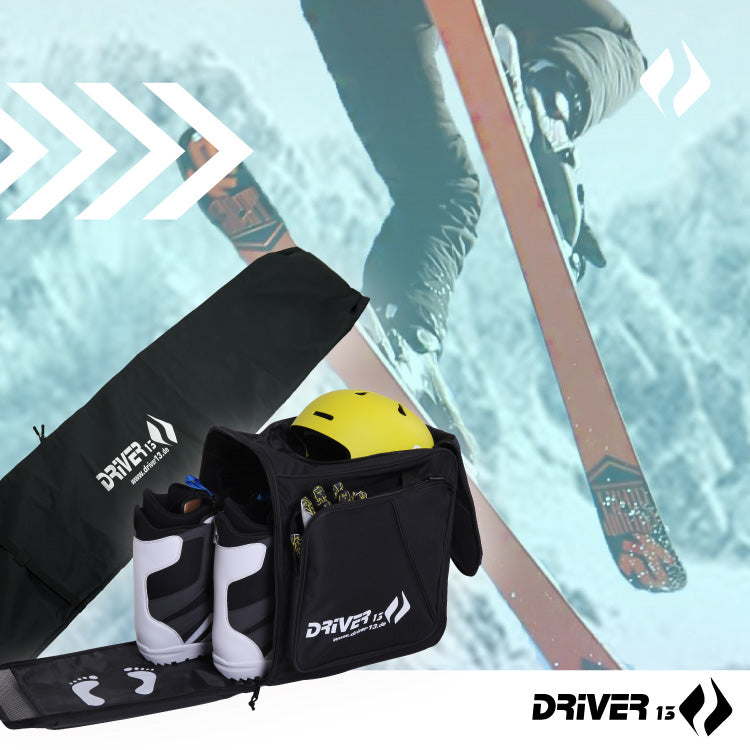
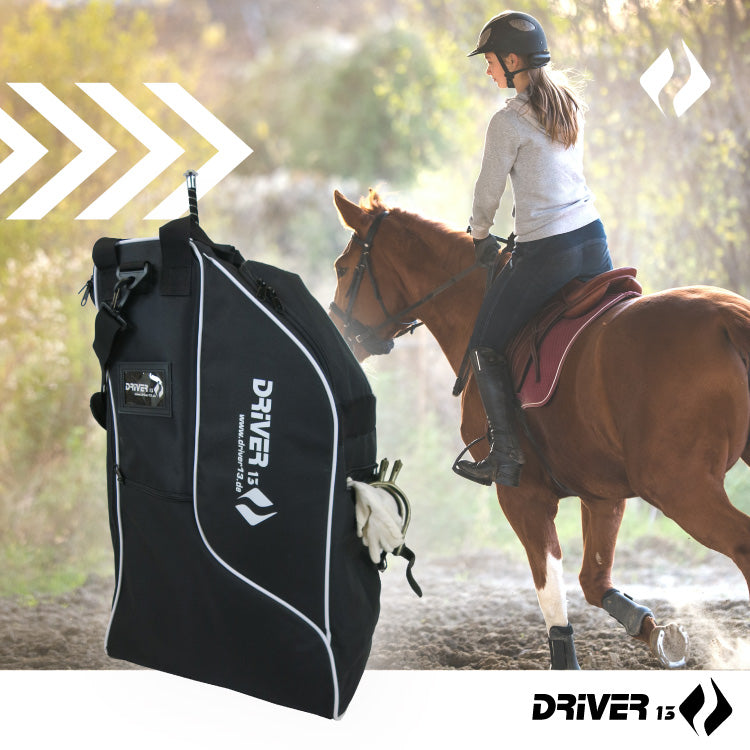
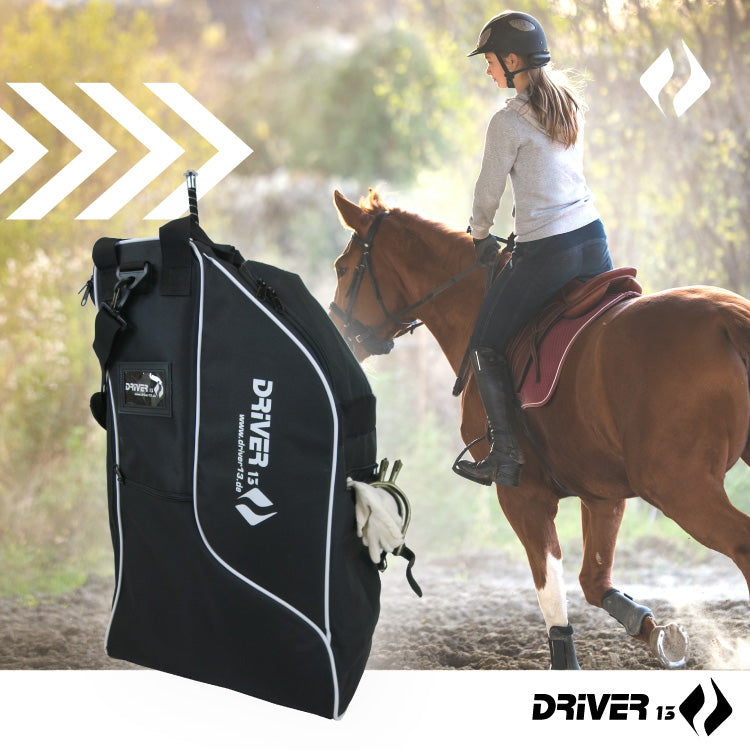
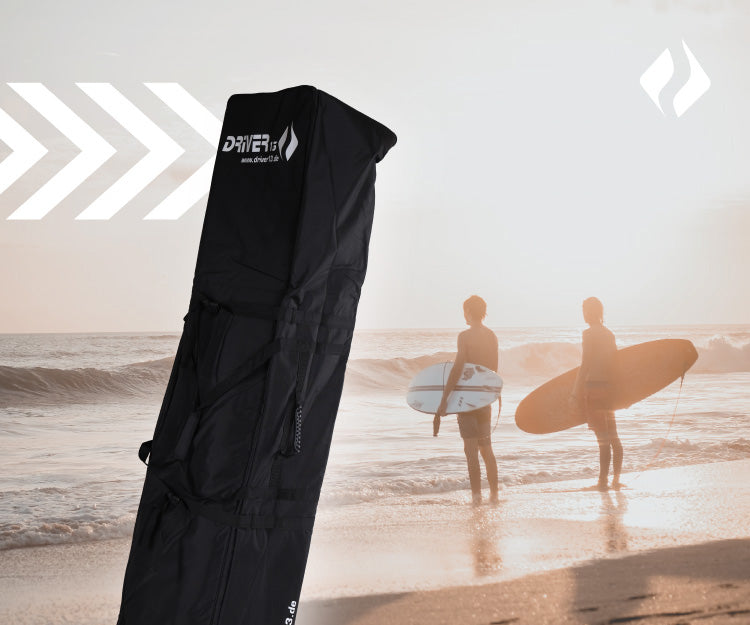
At Driver13, helmet bags are designed for exactly this purpose: transport the helmet safely, store it cleanly separated, and find it quickly again when packing. This is not a question of tidiness for tidiness's sake. If the helmet does not have to be searched for between loose equipment, the ski day starts more relaxed.
Do not place ski goggles unprotected in the helmet
Many people place their ski goggles in the helmet to transport both together. This can work if the goggles are in a soft goggle bag and no pressure is placed on the lens. Loose in the helmet, however, they are poorly positioned: When set down or stacked, the lens can get scratched, and the elastic strap can get caught on buckles or ventilation openings.
A separate, soft compartment in the bag or a dedicated protective pouch is better. If the helmet and goggles must go together in a piece of luggage, the goggles should be positioned so that the lens is protected on the inside and the padding is not permanently compressed. This is especially worth the caution with small children's goggles with sensitive coatings.
Dry properly before packing
The best protective pouch does not replace drying. After skiing, the helmet should be taken out of the bag, opened and set down, and aired out at room temperature. Removable padding can be dried or washed separately, provided the manufacturer allows it. A dry cloth absorbs residual moisture from the shell and interior.
Direct heat is not a good shortcut. Radiators, fireplaces, hair dryers, or the trunk in the blazing sun can unnecessarily stress the material and adhesive bonds. A permanently warm, poorly ventilated ski boot heater is also not automatically the right place for the helmet. Drying, yes; overheating, no.
Only when the inner padding and chin strap are dry should the helmet go back into the bag. If you want to leave early the next morning, you can leave the bag open until the residual moisture has disappeared. Then it can be closed and stored within easy reach next to ski boots and ski clothing.
Position correctly in the car, bus, and roof box
In the vehicle, the helmet does not belong under heavy bags or in the footwell, where it rolls around when braking. Ideal is a place where nothing is set down on it—for example, behind the passenger seat, on a level surface in the trunk, or in a padded sports bag. A separate helmet bag prevents the chin strap from getting caught in ski bindings or buckles.
The same principle applies in a roof box: The helmet lies on top or is protected on the side, never squeezed between ski tips, poles, and heavy luggage. The roof box is practical for long drives, but it can heat up significantly in the sun. During longer breaks and high temperatures, it makes sense not to leave sensitive equipment there unnecessarily.
If you are traveling by coach or train, you should keep the helmet with you as much as possible or store it in a clearly visible, closed bag. Loose helmets quickly disappear between other luggage and are more easily damaged during reloading.
What matters when storing at home
Even after the ski holiday, the helmet needs a dry, protected place. The basement is only suitable if it is dry and clean. Damp basement rooms, unheated garden sheds, or areas directly next to solvents, paints, and cleaners are not a good choice. Extreme temperatures and fumes can impair the materials, and dust also settles in the padding and ventilation slits.
A shelf in the hallway, a cabinet compartment, or a dry storage room are usually better. The helmet bag protects it from dust there and prevents other objects from being placed on the helmet. The chin strap should lie loosely inside, not be tightened around the helmet or squeezed under a heavy object. This keeps the closure and strap webbing dimensionally stable.
Before the next season, a quick check is worth it. Inspect the outer shell, chin strap, closure, adjustment dial, and padding. If everything is secure, the closure can be closed cleanly, and no cracks or deformations are visible, the helmet is generally ready for the next use. In case of uncertainty, always follow the manufacturer's recommendation.
The most common mistakes when transporting a helmet
Some habits seem practical but increase the risk of damage. The helmet should not dangle from a backpack, because it can strike door frames, seat backs, or other bags. When placed on the car roof, it is also easily forgotten or caught by the wind. Wet gloves in the helmet are also unfavorable, because they keep moisture directly on the padding.
Avoid these four situations as well:
- heavy ski boots or beverage crates on the helmet
- loose ski goggles in the helmet with the lens facing outward
- permanently drying on very hot heat sources
- storage in damp rooms or in direct sunlight
A fixed place for the children's ski helmet is a small preparation with a big impact: let it dry after the ski day, pack it away safely, and have it right at hand again when you set off next.