



After a day of riding, mud is caked into your boots, wet clothes are lying next to your helmet, and small parts disappear just when it's time to head to the track. If you want to organize your motocross gear effectively, you don't need a complicated storage solution. What matters is a system that makes transport easier, protects sensitive equipment, and gets everything ready to use again quickly after training.
Motocross equipment is rarely clean, often bulky, and consists of parts with completely different requirements. Helmets and goggles must not be crushed. Boots bring dirt and moisture. Body armor needs ventilation, while tools, spare parts, and documents must stay reliably in place. Good organization keeps these areas consistently separate—in the vehicle, in the garage, and on the way to the race.
Organize your gear by function rather than habit
Many bags are simply filled until nothing else fits. This saves time at first, but leads to dirty change of clothes, scratched visors, and unnecessary searching. It is more practical to divide the gear into fixed categories: protection, clothing, footwear, care, and technical equipment. Each category gets its own clear place and is put back there after riding.
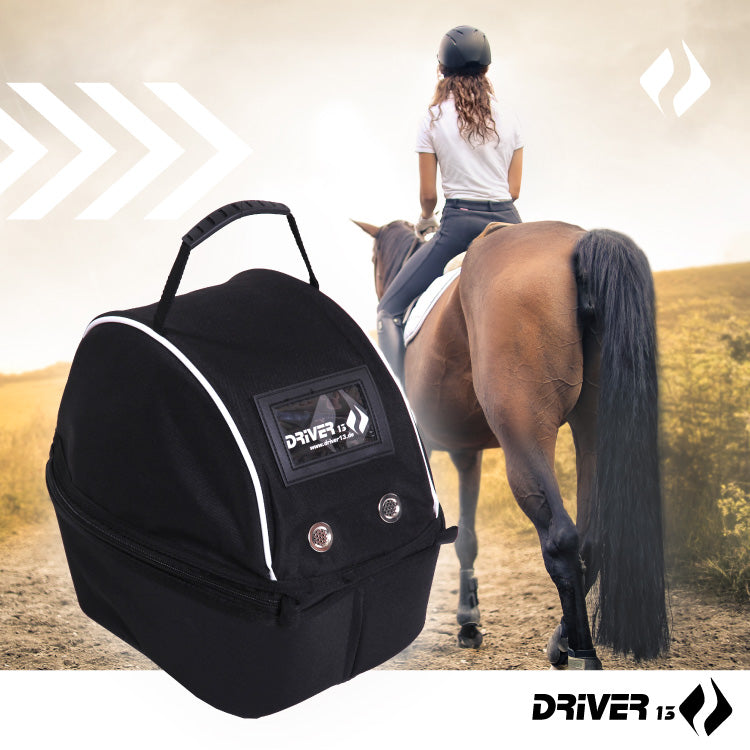
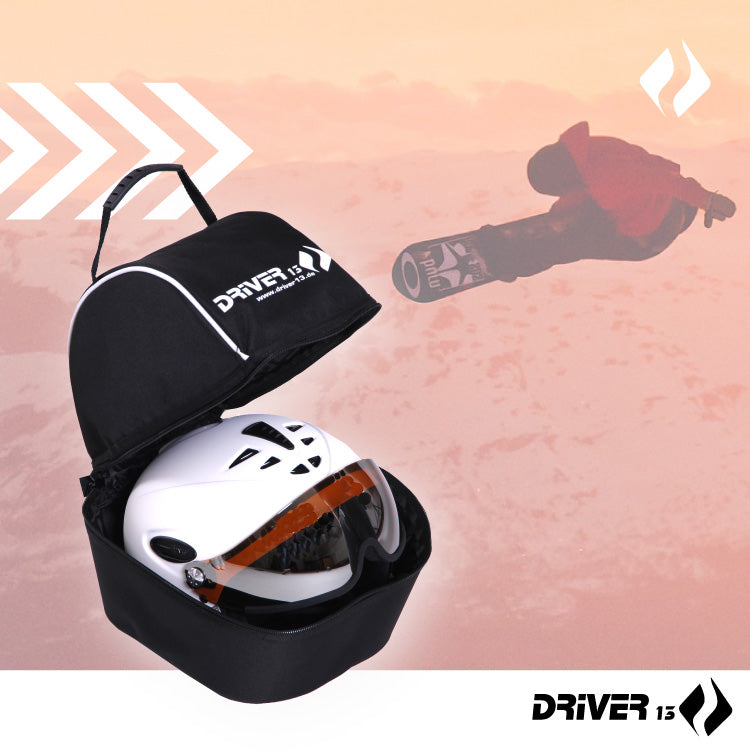
The helmet should always be kept in a protected area. It should neither lie loose between boots nor be transported under heavy body armor. A padded helmet bag keeps dust, scratches, and pressure away from the shell. This is particularly useful for frequent trips in the trunk, van, or on a trailer, where equipment can easily shift.
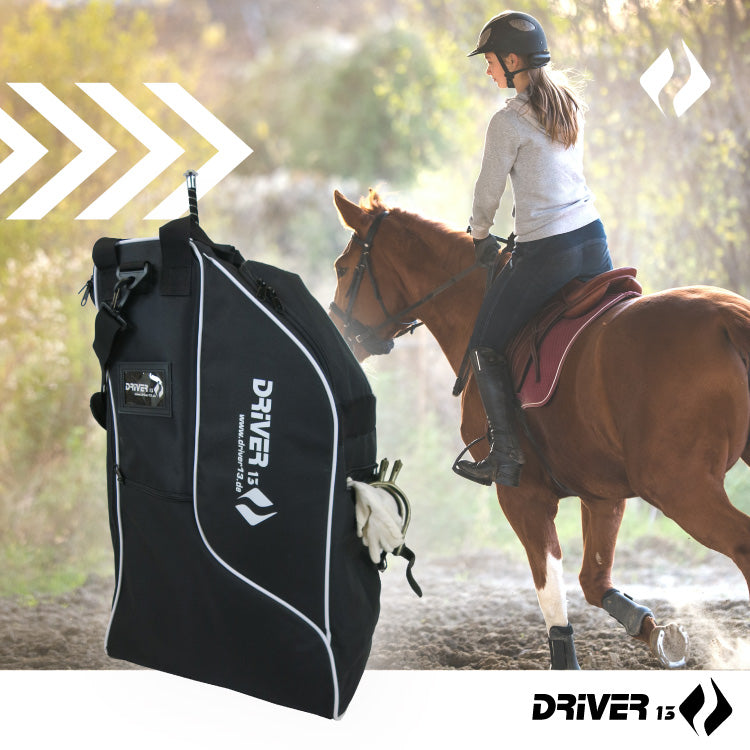
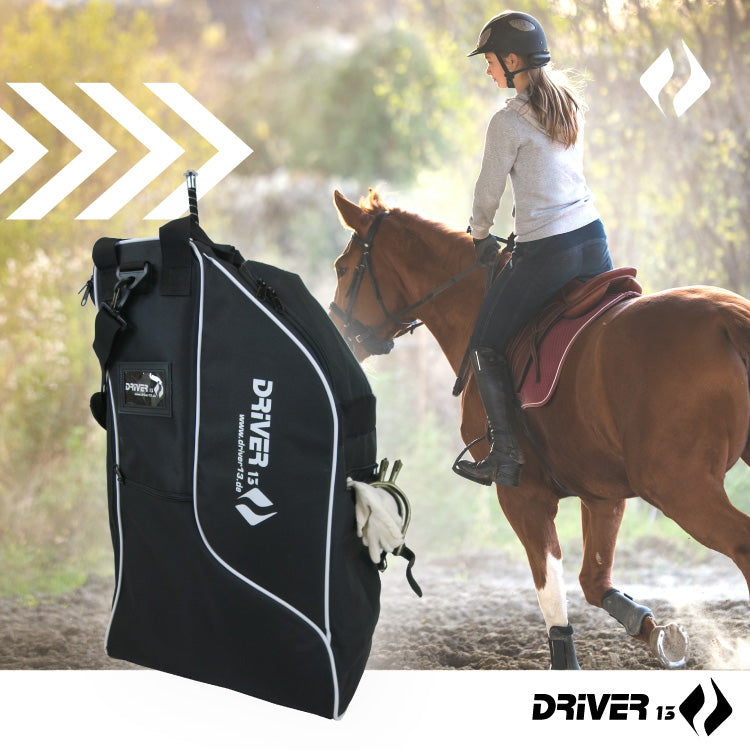
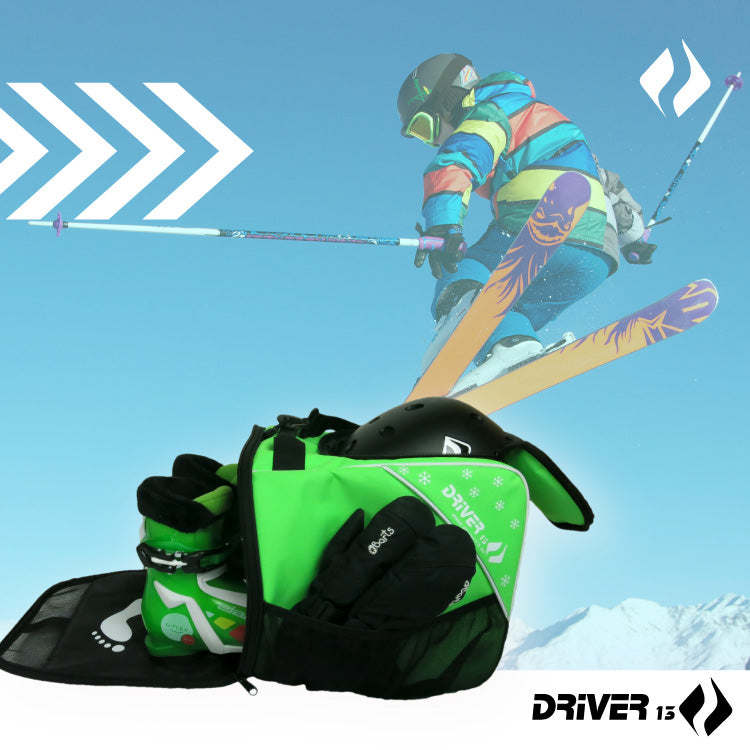
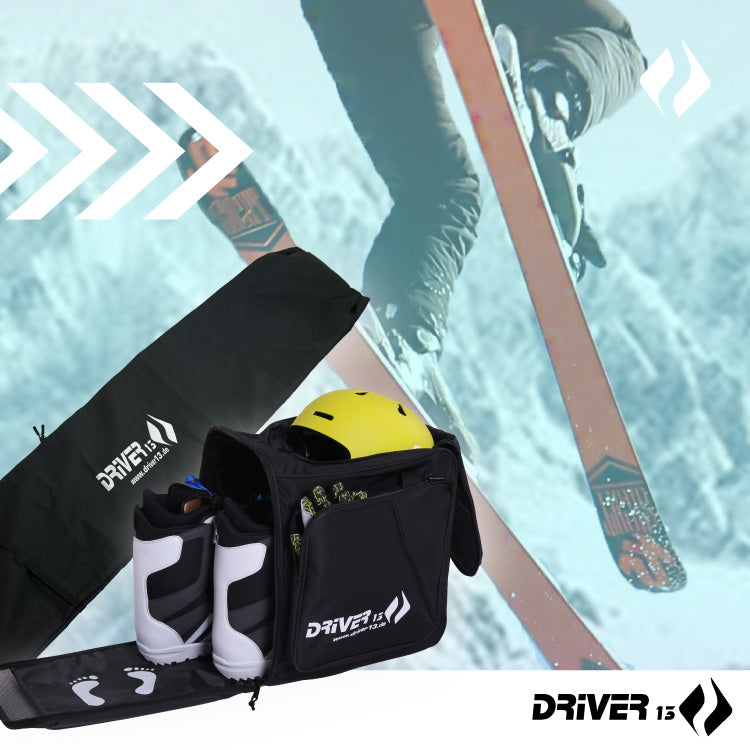
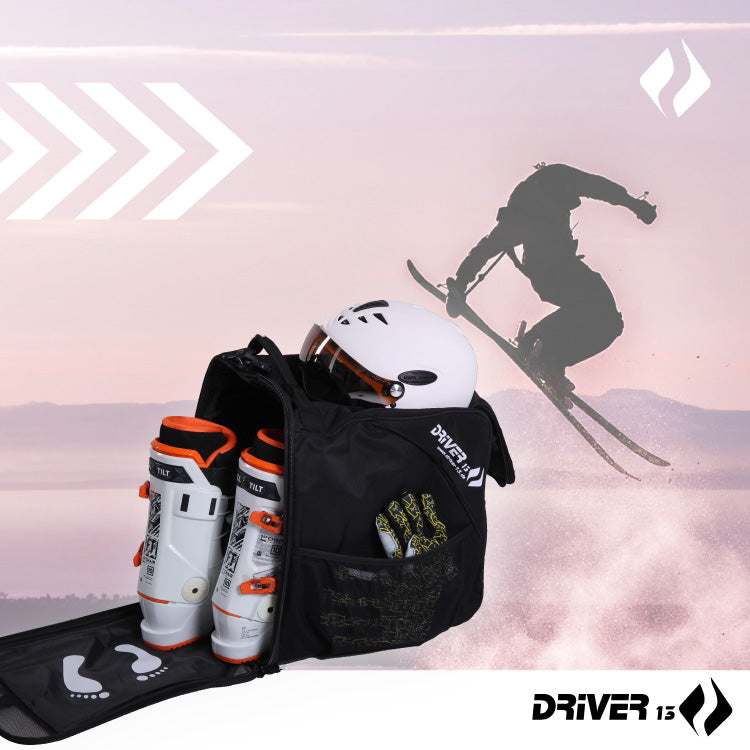
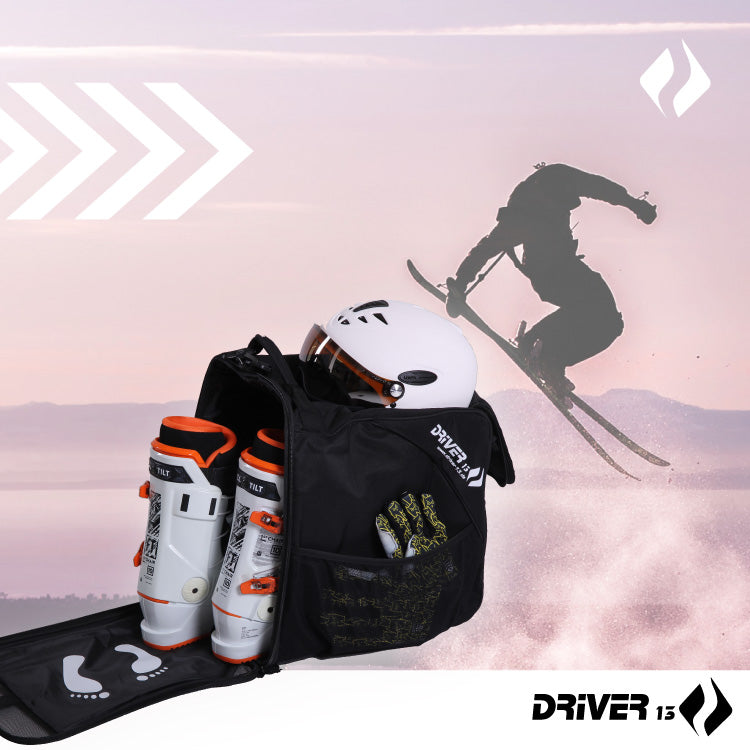
Boots need their own solution. Motocross boots are large, often damp, and heavily soiled after wet tracks. If they are packed in a bag with a jersey, pants, or a towel, the dirt spreads to all the gear. A separate boot bag or boot backpack keeps them completely separate. At the same time, the footwear can be aired out specifically, rather than trapping moisture in a closed sports bag for days.
Organize your motocross gear effectively—with fixed zones
A functional system doesn't start at the track. It starts where the gear is stored between riding days. An ideal packing order is: first the clean base layer, then protective equipment, and finally the parts prone to getting dirty. This keeps the bag organized, even when there is little time in the morning.
The main bag is suitable for clothing, body armor, and accessories that need to stay dry and clean. The jersey, pants, gloves, knee braces, and neck brace can be packed flat or in order of use. If you are planning several trips in one weekend, place a complete change of clothes right on top. That way, you don't have to empty the entire bag after the first run.
Boots, helmets, and dirty clothes should not end up in the same zone. In the vehicle, this can mean: helmet bag on the seat or in a protected box, boot bag on the floor, and the large sports bag in between or beside them. This separation is not an end in itself. It prevents hard buckles from damaging the helmet and keeps dry clothes away from wet soles.
For small parts, a small, clearly defined accessory zone is worth it. This includes spare gloves, tear-offs, goggle cleaning cloth, energy bars, keys, race documents, and earplugs if necessary. The type of container matters less than a fixed routine: these items never change their place. If you always look for your goggles or gloves first when loading, you don't have a space problem, but a system problem.
What should happen immediately after riding
The best bag cannot replace proper care. If wet equipment is put away closed immediately after returning, it causes odors, material wear, and unnecessary cleaning effort. Body armor, gloves, and boots especially need ventilation before being stored again.
A short return routine is practical. The helmet and goggles are wiped dry and set aside separately. The goggles should not be placed face down, so that dirt particles do not cause scratches. The boots are opened, coarse dirt is removed, and the insides are aired out. Wet clothes are taken out of the bag immediately, rather than staying in it until the next training session.
After that, the gear is returned to its original state. Spare parts are replenished, empty water bottles are removed, and heavily used parts are checked. These few minutes save significantly more time before the next riding day than they cost. Especially on trips with children or at race weekends, the routine prevents important equipment from only being noticed at the parking lot.
The right bag depends on the use
Not every motocross trip has the same requirements. For regular training, a spacious sports bag in combination with a separate helmet and boot solution is often sufficient. If you ride to the off-road track with the motorcycle or have to carry your luggage over longer distances, you will benefit more from a boot backpack with separate compartments. For races and multi-day events, the need for volume, change of clothes, and a clear internal layout increases.
What matters is not as many compartments as possible, but sensibly usable compartments. A large main compartment is helpful for body armor and clothing. A separate area for shoes or damp parts prevents mixing. Padded or shape-retaining areas protect the helmet during transport. Zippers and carrying handles must also work when the bag is fully loaded with boots, protective equipment, and spare clothing.
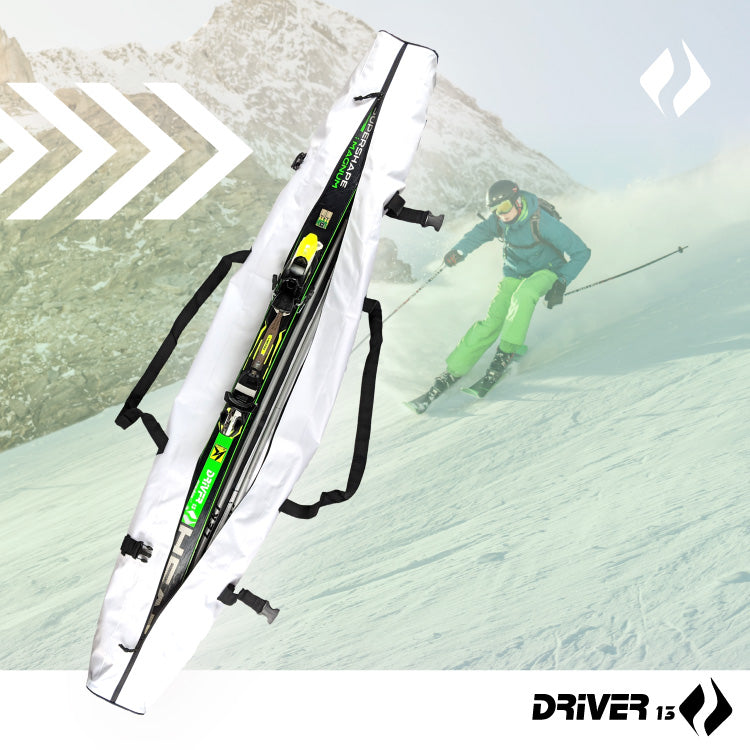
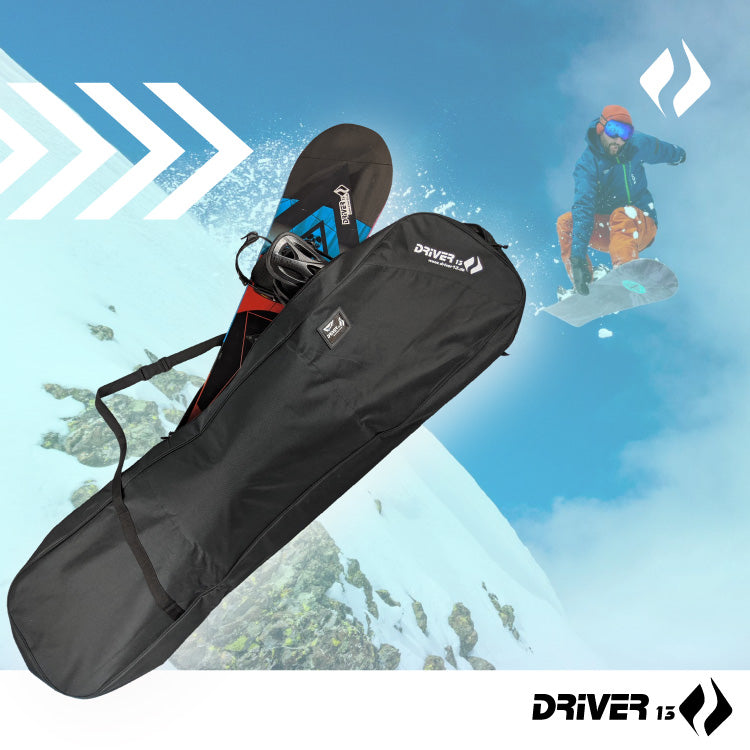
Driver13 designs sport-specific bags precisely around these requirements: equipment should be transported separately, protected, and without unnecessary repacking. For motocross riders, the combination of helmet transport, separate storage for boots, and a durable main bag is particularly useful. Which variant is right, however, depends on whether the gear only goes to a local track or regularly accompanies you to training camps and races.
Use the vehicle and garage as part of the system
A good bag solution loses its effectiveness if the vehicle is loaded chaotically. Heavy parts belong at the bottom and as close as possible to the rear seat or vehicle wall. The helmet stays on top or is secured separately. Liquids such as cleaners, chain spray, or drink bottles should never lie unprotected next to the helmet and clothing.
In the garage, a simple division into three areas helps: clean, dry, and requiring maintenance. Clean bags and fresh clothes remain closed and ready for the next trip. Boots, body armor, and wet textiles dry openly. Tools, lubricants, and spare parts are kept in a fixed maintenance area. This prevents a bag that is actually packed from having to be opened again because something still needs to be cleaned or repaired.
If you have little space, you don't have to store everything in bags permanently. The helmet bag and main bag can stand within easy reach, while the boots are stored separately after drying. Before the next appointment, they are packed back into the bag designated for them. For very frequent use, however, it can make sense to leave the basic equipment fully packed and only add clothing, drinks, and freshly cleaned parts.
A packing check prevents typical failures
Before departure, a quick look at the crucial areas is enough. Helmet with goggles, boots, body armor, and clothing form the basis. In addition, gloves, change of clothes, drinking water, and the documents required for the respective track are added. Tools and spare parts should only be taken if they fit the planned use—you need less for a short training session than for a race day.
This check works best when the bag is always packed the same way. Then it is immediately obvious if a compartment remains empty or a part is missing. If you organize your gear visibly and understandably, you not only start the riding day more relaxed. You protect expensive equipment, reduce dirt in the vehicle, and get organized again faster after the last lap.
The practical standard is simple: If the helmet, boots, body armor, and change of clothes are in their place without searching, the organization is correct. Then there is more time before the track for what really matters—riding.


