


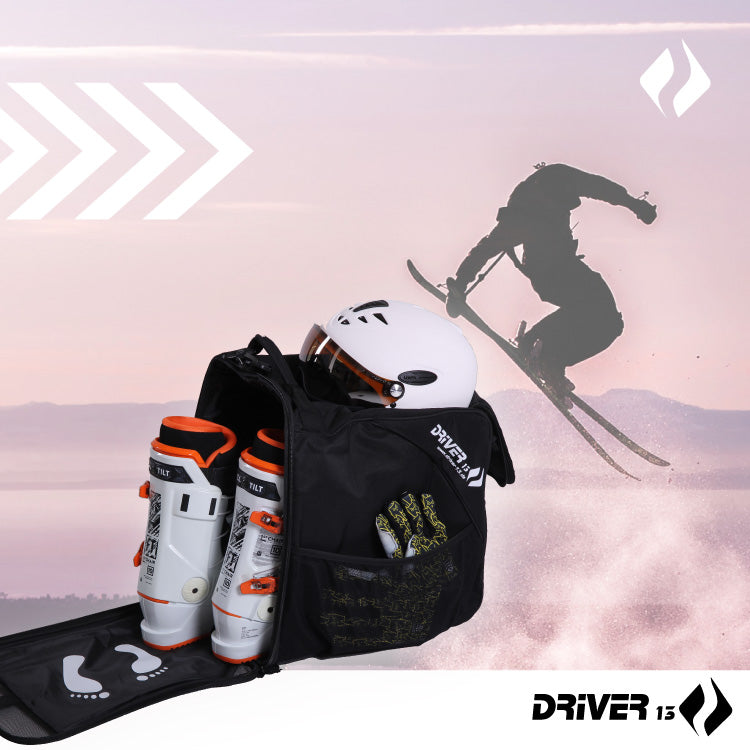

Anyone who arrives at the track with a helmet, boots, jersey, body armor, and often wet or dusty clothing quickly realizes: a motocross gear bag is no minor detail. It determines whether your equipment is protected, kept neatly separated, and ready to use without rummaging—or whether chaos reigns before the first turn.
What a good motocross gear bag must be able to do
Motocross equipment is bulky, prone to getting dirty, and rarely uniform in shape. That is exactly why a generic travel bag usually only works for a short time. As soon as boots, knee braces, chest protectors, gloves, goggles, and a change of clothes come together, you either lack space or proper separation.
A good bag must do three things above all: provide volume, keep dirt manageable, and make access easier. That sounds simple, but in practice, it is the difference between a bag that merely transports your gear and one that makes the entire process of going to training or a race easier.
Especially in motocross, the demands are higher than in many other sports. Dust, mud, damp textiles, and hard pieces of equipment all take their toll on materials, zippers, and the interior layout. That is why it pays to look more closely at construction and functional design rather than just at the liter capacity.
Motocross gear bag: What size makes sense?
The right size depends less on your height than on your setup. Anyone who rides with full protective gear needs significantly more space than someone transporting only basic equipment. Boots and a helmet usually define the minimum requirements. Neck braces, body armor jackets, spare gloves, underwear, socks, and care products are often added to that.
For occasional rides, a compact format may sometimes suffice if the boots are transported separately. For regular training, a larger solution is usually more practical because everything fits in one bag. This saves trips, reduces loose equipment in the car, and ensures that nothing is forgotten.
However, bigger is not automatically better. An oversized bag tempts you to take unnecessarily much with you. It becomes heavy, cluttered, and unwieldy in the trunk. Therefore, a size that fits the complete standard setup without carrying around unnecessary empty space is the most sensible choice.
The most important question: separate compartments or one large main compartment?
There is no single right or wrong answer here. It depends on how organized you want your equipment transport to be. A large main compartment is flexible and easier to load, especially when the equipment changes from day to day. It is also often the better choice for larger items such as chest protectors or braces.
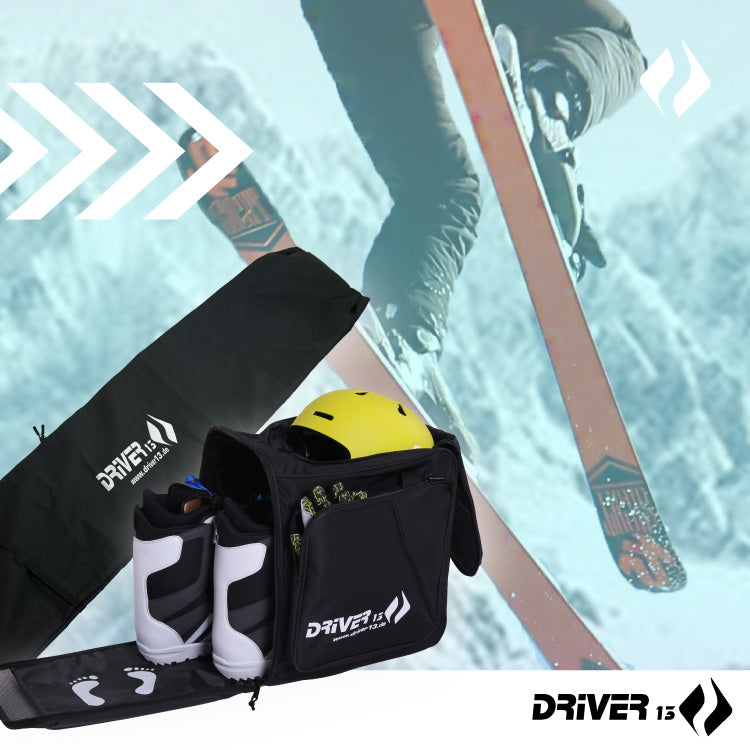
Separate compartments, on the other hand, offer clear advantages when it comes to dirt and organization. Boots should not lie directly on clean clothes whenever possible. Gloves, goggles, and small parts also benefit from clearly designated compartments. Anyone who trains regularly saves time above all—when packing, at the track, and later at home.
A practical solution is one where the main compartment remains spacious, but additional side compartments are available for dirty or sensitive equipment. This keeps the bag versatile without becoming disorganized.
Boot compartment, helmet compartment, and small parts
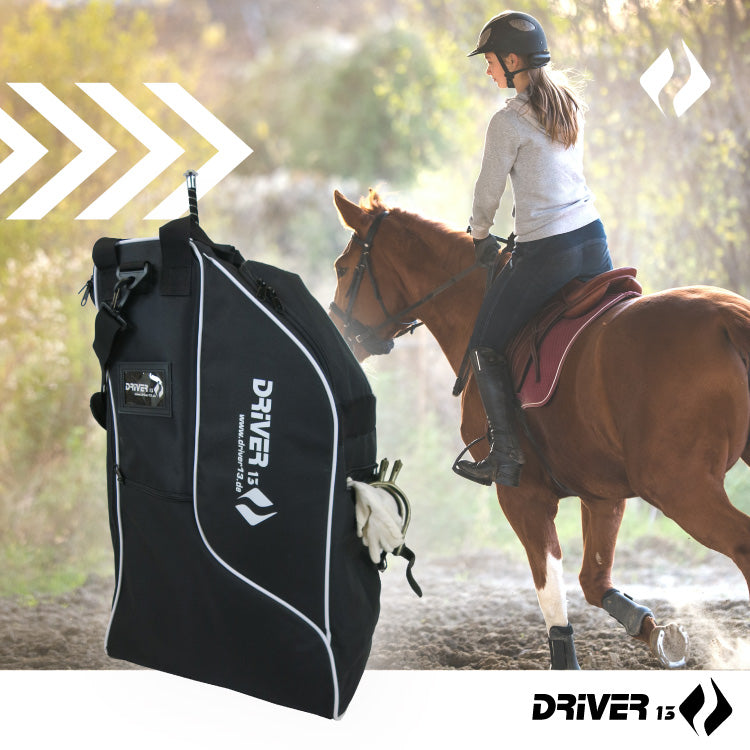
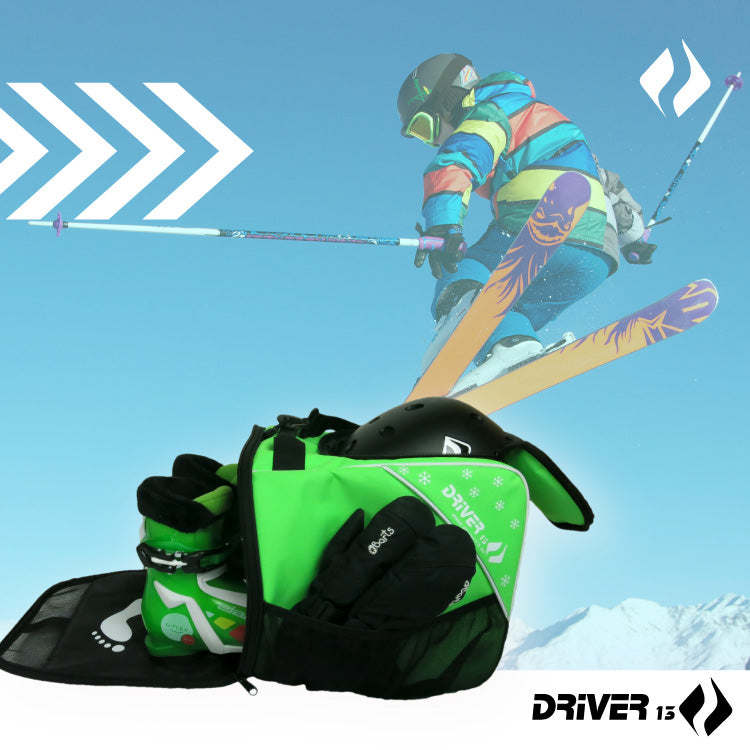
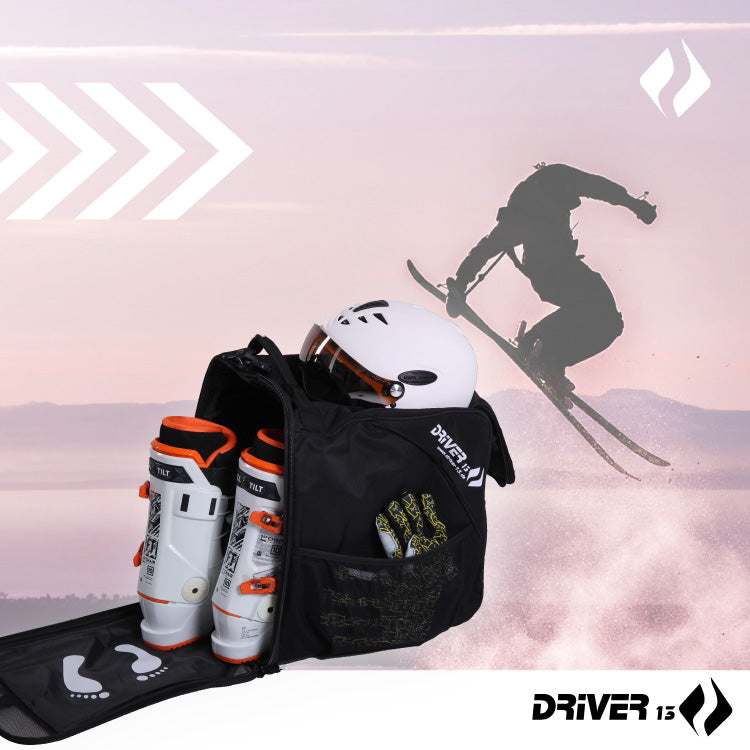
A separate boot compartment is particularly useful in motocross. Boots are heavy, often caked in mud, and bring dirt exactly where you need it least. A separate compartment keeps the rest of the equipment cleaner and makes drying easier after unloading.
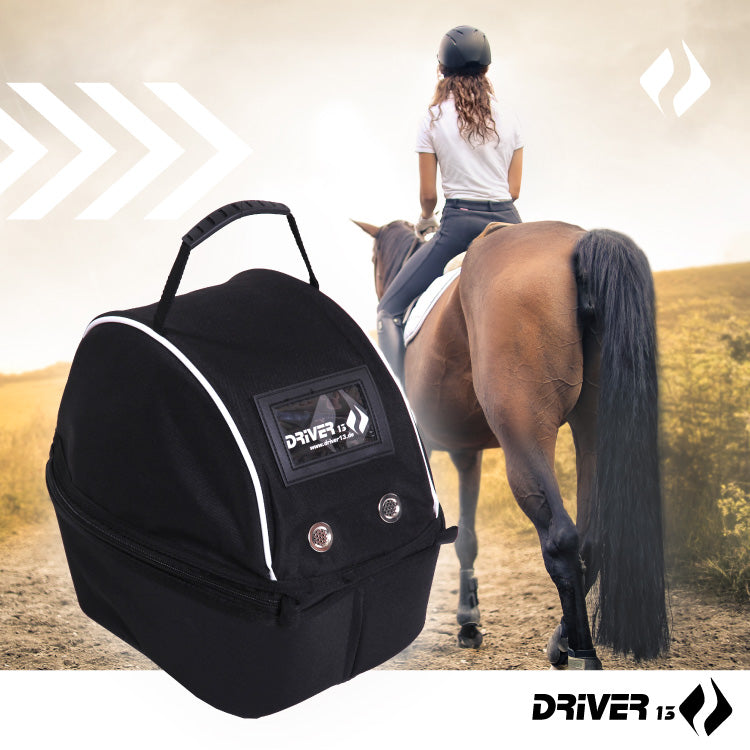
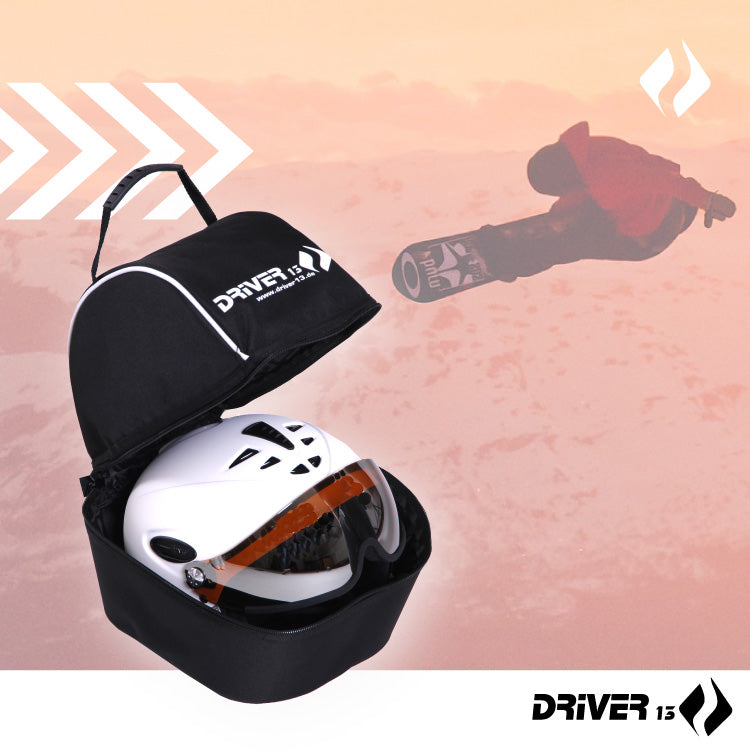
With the helmet compartment, the focus is less on dirt and more on protection. Helmets and goggles should not lie between hard edges, buckles, and soles. A clearly designated space reduces pressure points and prevents scratches on the visor or lens.
Small pockets for tear-offs, spare screws, socks, or care products may seem insignificant, but they make a big difference in everyday use. Especially before races or long training days, it is helpful if such items do not wander loose around the bag.
Material and workmanship: this is often underestimated
A motocross gear bag is not treated gently. It lies on hard ground, is shoved into transporters or trunks, and comes into contact with wet, sandy, or muddy equipment. Thin materials may look neat at first, but quickly show signs of abrasion, stretched seams, or weak zippers.
That is why durable details are more important than marketing buzzwords. A hard-wearing base protects against moisture and abrasion. Solid carrying handles must remain securely in place even when the bag is full and heavy. Zippers should be large enough to remain easy to operate even with gloves or cold fingers.
Inside, an easy-to-clean material that can be wiped down is helpful. Especially in motocross, fine dust accumulates in every corner. If the bag is difficult to clean, a practical solution quickly becomes a permanently dirty storage space.
Ventilation is not an extra feature, but a practical necessity
Damp equipment is part of the sport. After rain, a sweat-inducing training session, or a quick wash, pieces that are not yet completely dry often end up in the bag. Without ventilation, the moisture remains trapped. This is bad for odors, materials, and ultimately for the overall usability of the bag.
Ventilated inserts or breathable sections help without compromising the bag's stability. Of course, this does not replace complete drying at home. But it reduces the typical situation in which wet gloves and sweaty clothing lie in a completely enclosed interior until evening.
Especially when the bag stays in the car more often or cannot be emptied immediately after training, this point is more important than many initially think.
Carrying, rolling, storing: what really matters in everyday use
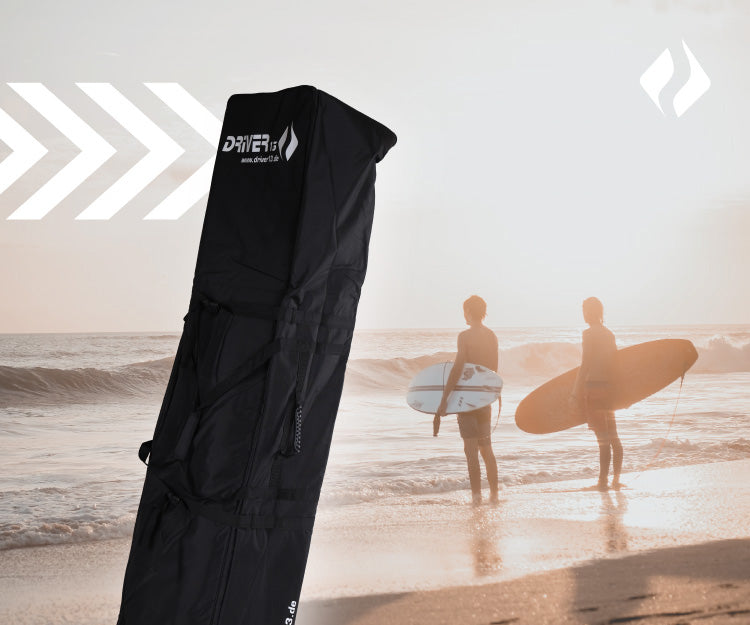
Not every route has paved roads all the way to the paddock. Sometimes you have to go over gravel, mud, or uneven ground. That is why the transport solution should suit the actual conditions. Wheels sound convenient, but they are not an advantage on every surface. However, they significantly reduce strain on long distances and with heavy loads.
Carrying handles and shoulder straps remain important regardless. A bag must also be able to be lifted quickly out of the car, repositioned, or moved in tight spaces. Handles that are evenly positioned and do not dig in are the most practical.
The shape also plays a role. A very tall, awkwardly shaped bag may be harder to use in the trunk than a more compact, wider model. Anyone who regularly travels with additional equipment should therefore look not only at the capacity but also at how well it can be stored in the vehicle.
Who is better off with a specialized solution than a standard sports bag
A normal sports bag can work for getting started. If you ride infrequently, carry little additional equipment, and transport your boots separately, that may sometimes be enough. The disadvantage usually only becomes apparent after a few uses: dirt spreads, sensitive parts lie unprotected, and packing becomes unnecessarily improvised.
A sport-specific solution makes sense when motocross is not just an occasional activity. Anyone who trains regularly, rides with full protective gear, or wants to keep their vehicle tidy clearly benefits from a bag designed specifically for these demands and this equipment.
This is not a theoretical advantage, but a practical one. Less time spent searching, less dirt in the car, and faster changes at the track are concrete benefits. That is exactly what specialized brands like Driver13 focus on: transport solutions that do not make empty promises, but cleanly solve typical equipment problems.
What you should specifically look for before buying
First, consider your actual packing situation. Lay out all your equipment once and check what really needs to go with you. Then it quickly becomes clear whether you need more volume, clear separation, or both.
Then pay attention to the ratio of the main compartment to side compartments. Too many small subdivisions can be restrictive if larger body armor or additional clothing are included. Too little structure, on the other hand, leads to disorganization. A good motocross gear bag strikes the right balance.
Also check how easy the bag is to clean and whether high-stress areas are sufficiently reinforced. The base, handles, and zippers often determine the bag's lifespan. If these points are right, the bag will pay off not only on the first use, but over many weekends.
Anyone who regularly moves their equipment is not buying a simple bag in the end. They are buying a functional process—from packing at home to the final step after training.


