


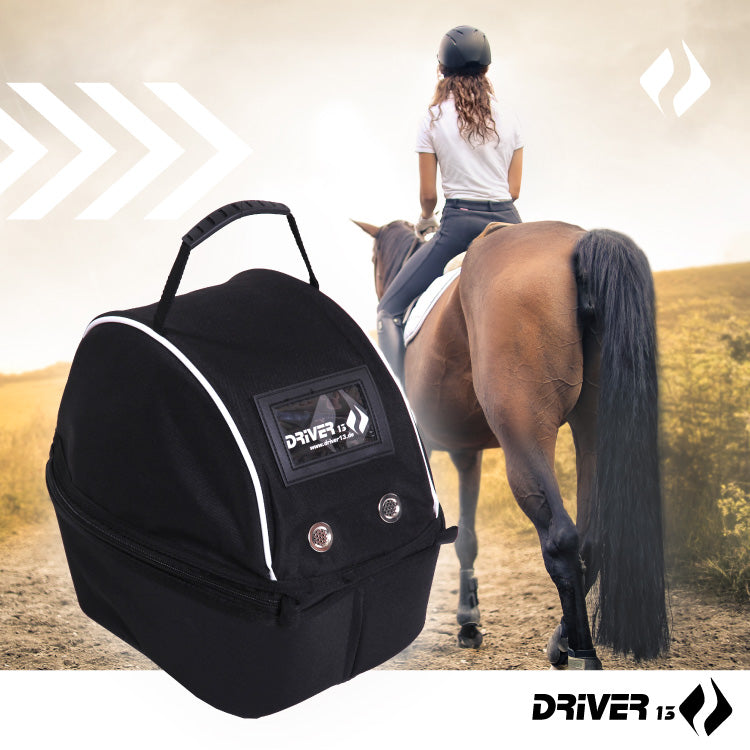
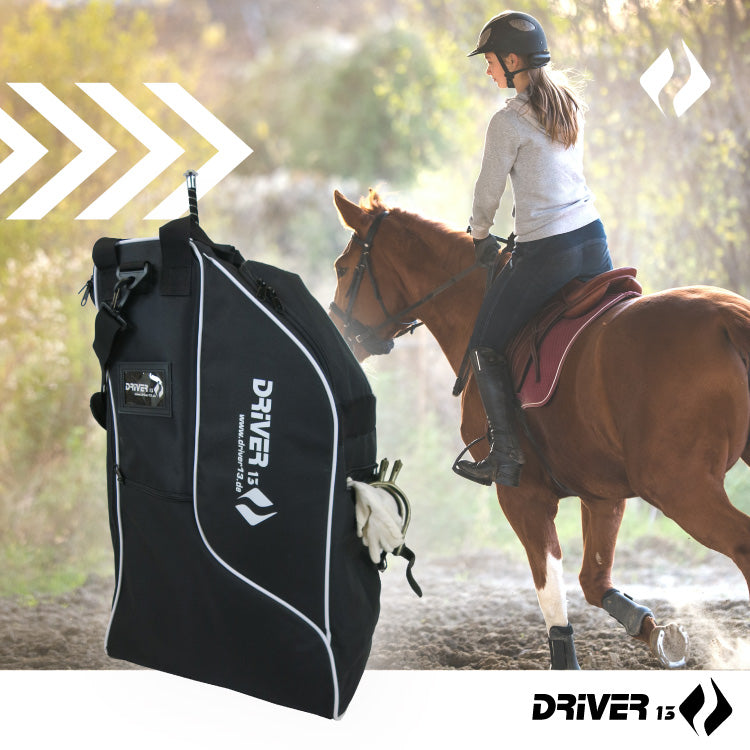
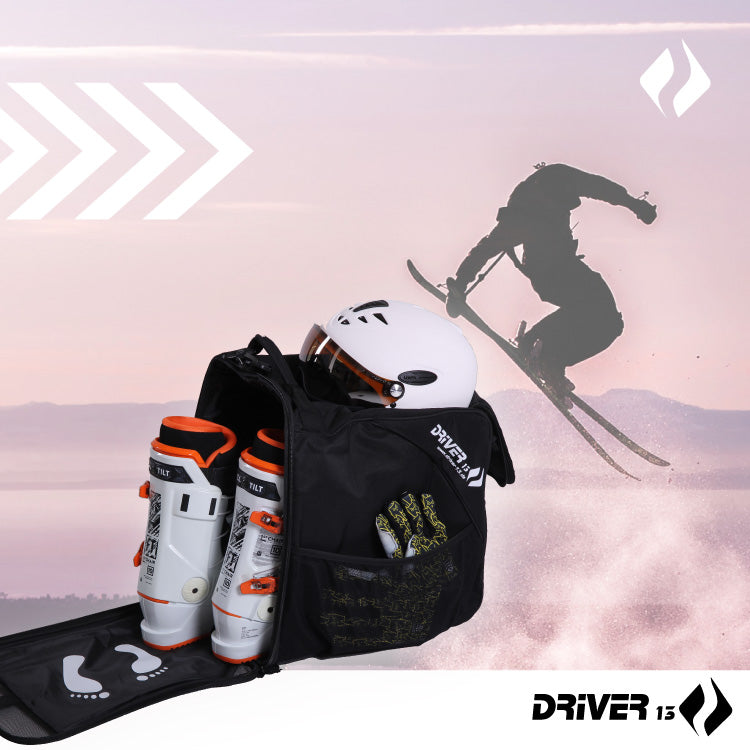

Anyone who goes to the track with a full set of equipment knows the problem immediately: the overalls are fresh, the gloves are still slightly damp, the shoes carry dirt from the last stint, and the helmet should under no circumstances end up between tools, drink bottles, and spare parts. That is exactly why a motorsport bag for protective clothing is not an afterthought, but a practical transport solution. It also determines whether equipment remains protected, clean, and quickly ready for use.
In motorsport, luggage is subjected to different stresses than in everyday life. Protective clothing is bulky, partly sensitive, often dirty, and rarely just a single item. That is why regular racers do not need just any sports bag, but a system that suits the equipment.
What a motorsport bag for protective clothing must be able to do
A good bag solves several tasks at once. It protects clean clothing from dirt, separates wet or used parts from dry ones, simplifies packing, and saves time in the paddock. This may sound matter-of-fact, but it is crucial in everyday practice. When everything has a fixed place, the hectic changing before a session becomes an orderly process.
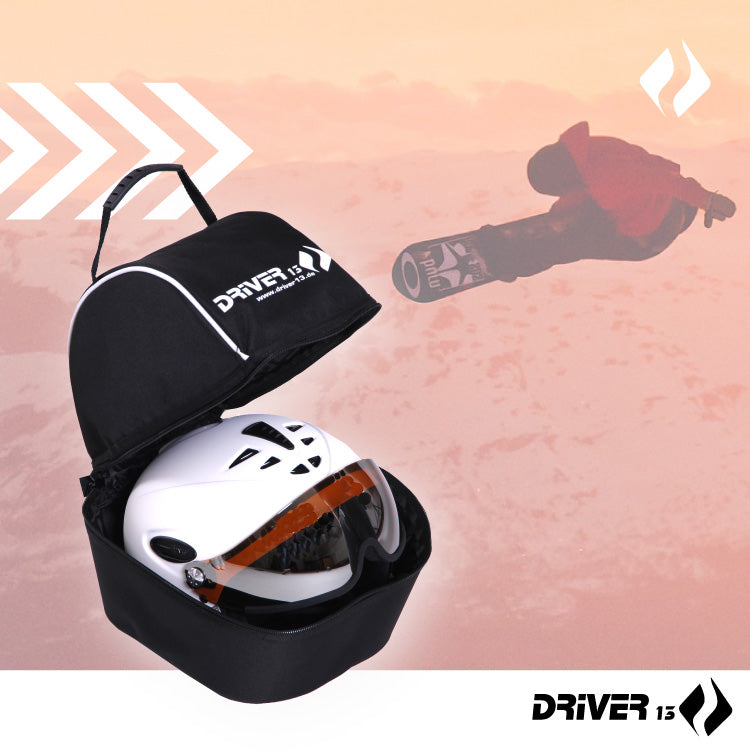
Protective clothing in particular has special requirements. A racing suit needs space without being unnecessarily squeezed. Shoes or boots should be stored separately so that abrasion and dirt do not transfer to underwear, balaclavas, or gloves. With the helmet, another point comes into play: it must be protected from impacts and, as far as possible, transported isolated from the rest of the contents.
Then there is the reality after use. Not all equipment is dry or clean after driving. A motorsport bag must therefore also work when loaded with sweaty gloves, used base layers, and dusty shoes. This is exactly where the differences between a simple travel bag and a sport-specific solution become apparent.
The most important features in practical use
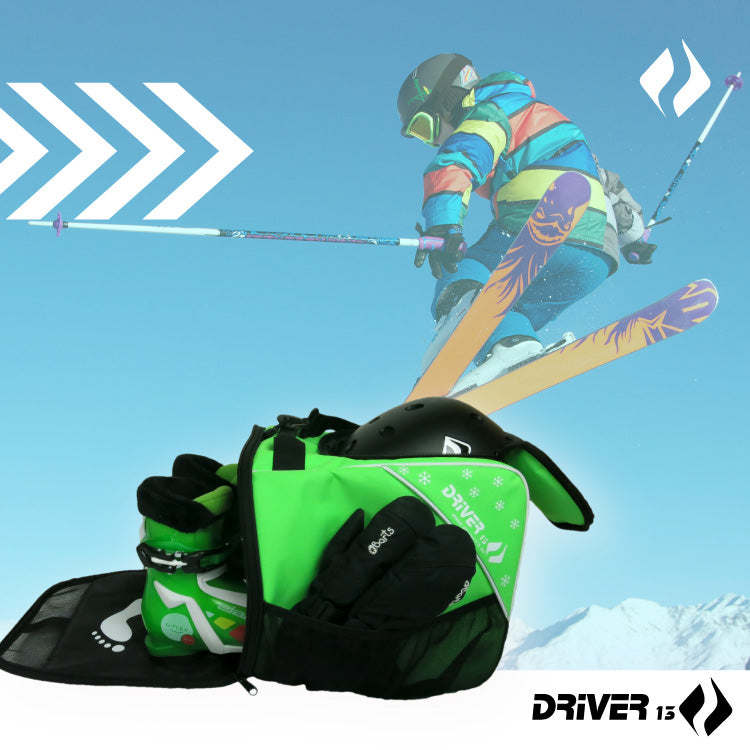
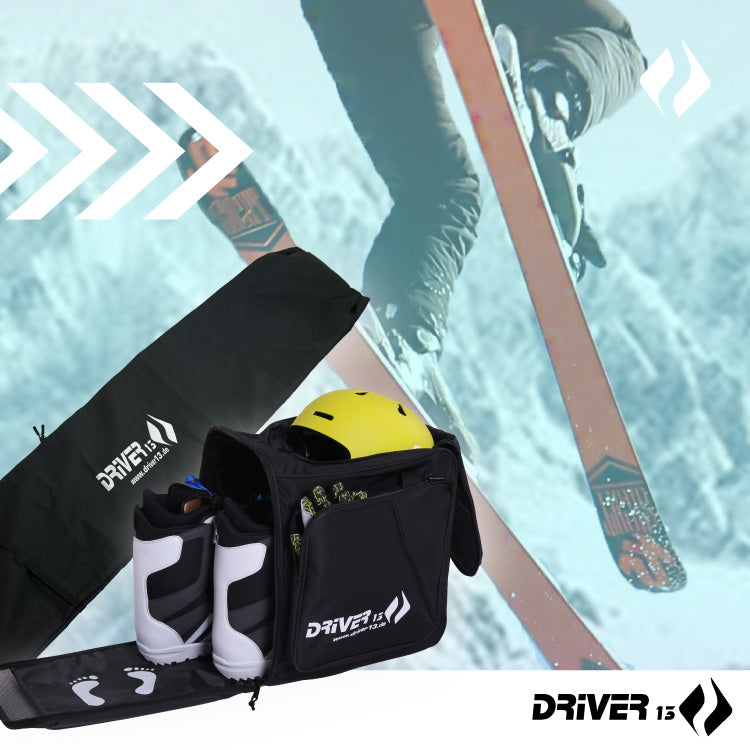
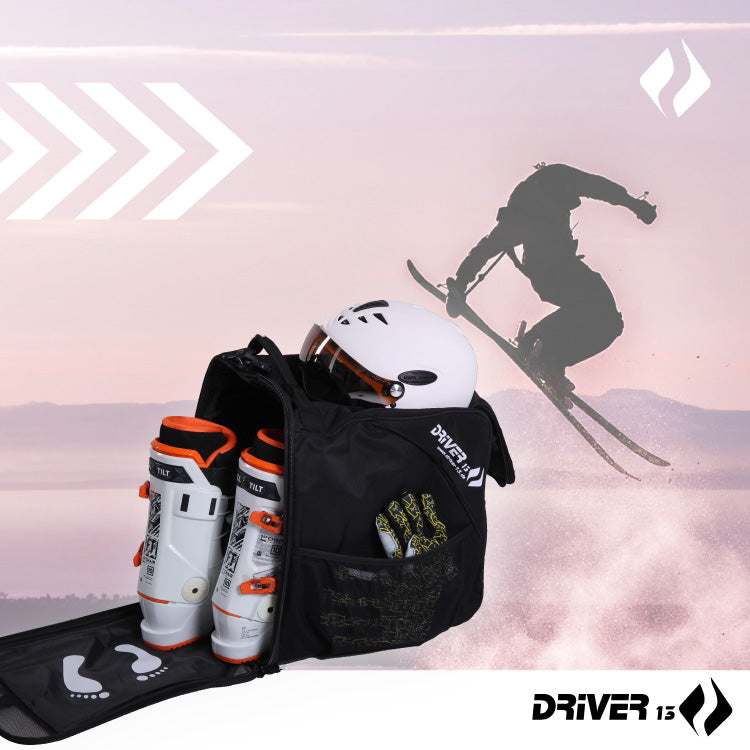
The division is crucial first. A large main compartment sounds practical but quickly becomes disorganized. Better is a design with clearly separated areas for clothing, shoes, helmets, and smaller parts. This keeps sensitive equipment protected, and you do not have to empty half the bag before every session.
The material is just as important. Motorsport means dust, rubber abrasion, moisture, asphalt, and frequent loading and unloading. The outer material should therefore be durable and easy to clean. Inside, smooth, robust surfaces help, as they are easier to clean. Especially with light-colored inner linings or poorly coated fabrics, you quickly see how unsuitable some bags are for this purpose.
Carrying comfort is often underestimated. A fully packed bag with a suit, helmet, shoes, and accessories has weight. Padded handles, sturdy zippers, and a load-bearing shoulder strap make a significant difference in everyday use. Anyone who frequently walks from the parking lot to the paddock or moves equipment between the car, box, and hotel will notice this after just a few sessions.
What equipment typically needs to fit inside
The right size depends less on liters than on the actual equipment. Many drivers pack at least a racing suit, underwear, gloves, shoes, helmet, and often also a neck brace, rain gear, or a change of clothes. In addition come small parts such as visor cleaners, earplugs, spare socks, or personal items.
Anyone who only drives karts often has a slightly more compact setup than in motorsport or track days with additional clothing. At the same time, surprisingly much can also pile up in karting when several sessions are scheduled or clothing for changing conditions is carried along. The right bag is therefore not just a question of the sport, but also of personal routine.
Compact is not always enough
Small bags initially seem handy, but quickly reach their limits. As soon as the helmet is awkwardly placed on top or used shoes are stowed between clean laundry, the practical advantage is gone. A little more volume is often the better choice, as long as the compartment structure is right and the bag does not become unnecessarily bulky.
Too large is also not automatically better
Very large bags do create space reserves, but also encourage disorganization. When small pieces of equipment disappear loosely between clothing and hard-shell components, it costs time and is annoying before a session. That is why a good motorsport bag for protective clothing does not simply offer space, but sensible organization.
What motorsport participants should look for when buying
When buying, it pays to take a sober look at your own routines. Anyone who regularly transports a complete set of protective clothing should first check the separation of clean and used. This is one of the greatest practical advantages of a well-thought-out bag. Especially after a long day at the track, no one wants to put sweaty gloves directly next to fresh change of clothes.
Another point is the protection of sensitive parts. If the helmet is to go into the same bag, it needs either a separate compartment or at least a division that reduces pressure points and friction. The same applies to visors, communication accessories, or other parts that should not lie loose between shoe soles and zippers.
The opening concept is also relevant. A bag can be large enough on paper and still seem impractical if the opening is too small. Then even packing the overalls becomes a struggle. Wide access points and smooth-running zippers are not a minor detail, but a real everyday aid.
Organization saves time - and protects the equipment
In motorsport, preparation is part of performance. This applies not only to the vehicle and technology, but also to personal equipment. Anyone who first looks for gloves before a session, finds the balaclava between drinks and tools, and pulls the suit out wrinkled from an overloaded bag starts the day unnecessarily disorganized.
A clearly structured bag reduces such friction losses. Everything has its place, the contents can be quickly checked, and missing parts are immediately noticeable. This is particularly helpful when packing early in the morning, when several events follow one another closely, or when parents organize equipment for the next generation.
In addition comes the protection aspect. Clearly separated compartments reduce abrasion, moisture transfer, and pressure stress. This does not automatically extend the lifespan of every component, but it helps reduce avoidable stresses. Especially with high-quality protective clothing, this is a sensible approach.
Who benefits particularly from a sport-specific solution
Anyone who only occasionally goes out with minimal equipment may manage with a simple bag. But as soon as complete sets of clothing, helmets, and accessories are regularly transported, the balance between effort and benefit quickly tips in favor of a specialized solution.
A sport-specific bag is particularly useful for drivers who frequently switch between the car, track, and accommodation, drive in changeable weather, or need to keep their equipment clean and separate from other items. Teams, families, and ambitious amateur drivers also benefit from clear organization. Because the more parts are in circulation, the more important a reliable system becomes.
Brands like Driver13 address exactly this point: not fashionable side aspects, but transport problems that actually occur in everyday sports practice. For motorsport participants, what matters in the end is not whether a bag sounds good, but whether it keeps equipment clean, protected, and ready at hand.
The most common bad purchases for a motorsport bag for protective clothing
Many bad purchases can be traced back to three patterns. First, the bag is chosen too small because it seems compact and practical when empty. Second, there is no clear compartment division, so in the end everything is still mixed up. Third, the material is underestimated - especially when dirt, moisture, and frequent use come together.
Another typical mistake is only considering the journey there. Freshly packed, almost every bag looks sufficient. But the return journey after a long day is crucial. Then used clothing, dirty shoes, and sensitive parts still need to be transported sensibly. Anyone who considers this use case usually buys more appropriately.
What really matters in the end
The right bag does not replace good care of the protective clothing, but it makes handling it significantly easier. It keeps processes clean, separates problem areas from each other, and reduces the chaos surrounding arrival, changing, and return transport. Especially in motorsport, where equipment is functional, expensive, and often heavily stressed, this organization quickly pays off.
When the bag actually suits the setup, you do not notice it through big words, but through small processes: packing faster, searching less, transporting cleaner, arriving better protected. That is exactly what the selection should come down to.


