We protect our playground 🌍

Sustainable Materials for Sports Bags

Sustainable materials for sports bags: Fabrics that protect equipme...
Nachhaltige Materialien für Sporttaschen

Wet ski boots after a long day, sandy neoprene after a session, or dusty riding boots after training: sports bags need to do significantly more than an everyday bag. Sustainable materials for sports bags are therefore not just a question of raw materials. The key is whether a bag fulfills its purpose over many seasons, protects equipment, and can be used effectively under real conditions.

For athletes, performance is what counts in the end: zippers must close reliably, bottoms must withstand contact with damp changing rooms or trunk spaces, and interiors should separate dirt, odors, and moisture from the rest of the luggage. A sustainable approach only works if material choice, workmanship, and sport-specific design go together.

What really makes sustainable sports bags

A bag is not automatically sustainable just because it is made from recycled fabric. If the fabric tears early, the coating peels off, or the construction is unsuitable for the intended use, the bag will have to be replaced sooner. Its actual service life is then short—regardless of the material's origin.

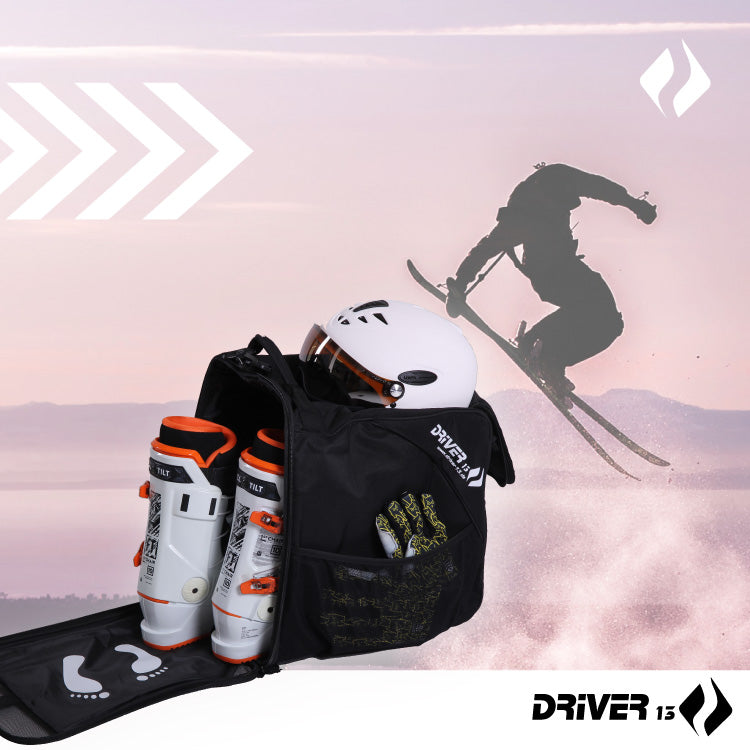
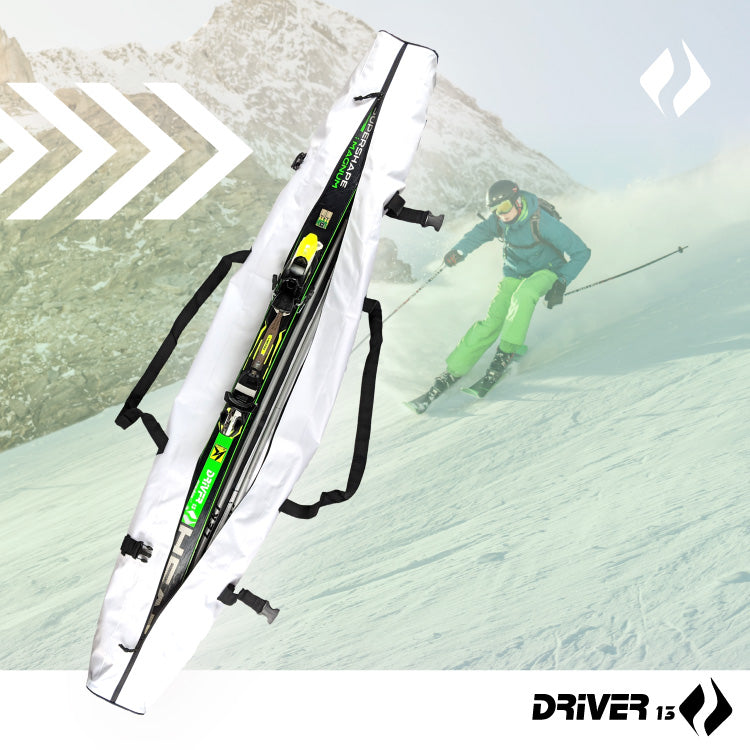
Durability is therefore part of sustainability for sports luggage. A well-designed ski bag protects edges and bases for years during transport. A boot backpack with separate compartments prevents wet or dirty shoes from affecting clothing and helmets. A cleaning bag that can be easily wiped down remains functional with regular use. The better a product handles the demands of a sport, the less likely it is to be replaced by an unsuitable alternative.

Repairability and care also play a role. Replaceable or easily accessible components, sturdy seams, and a construction without unnecessary weak points extend its lifespan. Not every piece of damage can be avoided. But a bag that can be cleaned, dried, and reused is the better choice in everyday use than a product that is discarded after a few uses.

Recycled polyester: versatile for sports luggage

Recycled polyester is one of the most widely used sustainable materials for sports bags. It is often made from recycled plastics and can be used for outer fabrics, linings, or webbing. Its advantage lies in the combination of low weight, shape retention, and suitability for many sports applications.

For helmet bags, ski bags, boot bags, or spacious sports bags, polyester is particularly practical because it absorbs little moisture and dries quickly. Combined with a suitable coating, it can protect equipment from spray, snow, and dirt. However, recycled does not automatically mean identical quality. Fabric weight, weave, coating, and workmanship also determine how resilient a bag is during daily transport.

Another point is care. Polyester can usually be easily cleaned with a damp cloth. After transporting ski or riding equipment, the bag should still be opened to dry. This reduces odor formation and protects the lining and coating.

Polyamide and recycled nylon for heavy-duty use

Where abrasion plays a central role, polyamide is often used, frequently also referred to as nylon. The material is suitable for areas that regularly rub against the trunk, ski edges, boot soles, or rough floors. Recycled polyamide can be a sensible option here when high tear and abrasion resistance are required.

This can be particularly relevant for a motorcycle bag, a bag for water sports equipment, or a ski bag. However, polyamide is not automatically the most resource-efficient solution in terms of production and processing. Its strength lies primarily in its ability to enable a long service life. In highly stressed areas, a durable material can therefore be the more sensible choice than a lighter material that gives out more quickly.

When choosing a bag, you should look for reinforced bottom elements, neatly finished edges, and durable carrying points. No matter how high-quality the material may be—if the seams, handles, or zipper areas are not up to the weight of the equipment, a weak point will emerge elsewhere.

Coatings: protection with compromises

Sports bags for winter and water sports often need protection against moisture. PU coatings, or polyurethane-based coatings, are used on many bags. They can reduce water penetration and make cleaning inside and out easier.

For wet ski boots, wetsuits, or muddy riding boots, this is a clear practical advantage. At the same time, coatings make composite materials more complex and can make recycling more difficult. There is no universal winner here. For a bag that regularly comes into contact with moisture, effective moisture protection is often more sensible than an untreated fabric that becomes dirty or waterlogged early on.

Pay attention to the specific application. For the short trip from the changing room to the car, a water-repellent outer fabric is often sufficient. For long trips with wet equipment or for water sports, a denser, wipeable interior material may be the better solution. Ventilation is also important: a completely closed bag will keep moisture in, but it will not allow it to disappear on its own.

Natural fibers: pleasant, but not suitable for every sport

Cotton, canvas, cork, or other natural fibers can be sensible for lightweight bags and dry equipment. They provide a natural feel and can be an interesting material alternative if sourced correctly. However, they have their limits in the demanding, wet everyday world of sports.

Wet shoes, snow, salt, sand, and dirt require materials that can be cleaned quickly and absorb little water. Cotton can retain moisture, become heavy, and dry slowly. That is why it is usually not the first choice for ski bags, boot bags, or bags for neoprene equipment. However, it can work as a detail material, reinforcement, or for dry accessory compartments.

Sustainability also means not choosing a material against its intended purpose. A natural-fiber bag that is unsuitable for wet sports equipment saves neither effort nor resources.

These criteria help with material selection

When comparing sustainable sports bags, it pays to look beyond the material designation. Four questions quickly provide clarity:

  • Is the material suitable for the moisture, dirt, and abrasion of your sport?
  • Are the bottom, seams, zippers, and handles designed for the weight of the equipment?
  • Can the interior and outer fabric be easily cleaned and dried after use?
  • Does the compartment layout support long-term use, for example by separating shoes, clothing, and sensitive equipment?
For female and male riders, a wipeable area for boots and cleaning gear is often more important than a particularly lightweight fabric. Winter sports enthusiasts benefit from padded or reinforced zones that protect skis, poles, and edges during transport. For kitesurfing or other water sports, a moisture-tolerant interior compartment and enough space to dry after returning are essential.

Longevity begins with proper use

Even the best choice of material only delivers its benefits with proper care. Remove coarse sand, snow, or stable dust as soon as possible after use. Let wet bags dry open instead of leaving them closed in the car or basement. Harsh cleaning agents are usually unnecessary and can damage coatings.

Do not permanently overload the bag. Especially with helmets, boots, and heavy motorsport equipment, straps and zippers should not be under constant tension. If equipment regularly rubs against each other, separate compartments or simple protective covers help. This protects not only the bag but also the sports equipment.

At Driver13, this practical combination of protection, organization, and sport-specific use is at the heart of everything. A suitable bag should not only impress at the point of purchase but also make transport to training, competitions, or holidays easier over many uses.

If you want to buy more sustainably, you do not have to search for a single perfect material. A bag whose fabrics, protective features, and compartments are perfectly suited to your own sport—and therefore remain in use season after season—is a more sensible choice.

We protect our playground 🌍
Right from the start, we have tried to be as resource-efficient as possible when it comes to packaging. It was and is a matter of course for us to recycle cardboard boxes and give impeccable packaging a second life. It is only logical that we are now allowed to carry the "Green Dot" label. As a visible sign that we are living up to our responsibility when it comes to packaging.
Designed in Germany. Since 2007.