
The last spot change, the training is over, the wetsuit is still dripping, and the car is still supposed to stay clean. Storing wet neoprene clothing properly does not mean packing it away airtight immediately. What matters is the time until it dries: For the journey home, you need a leakproof, easy-to-clean transport solution. For storage at home, however, neoprene needs air, shade, and patience.
Who pays attention to this difference not only protects the suit. The car, changing room, other sports equipment, and bags also stay cleaner. Especially in surfing, kiting, SUP, and diving, a long day often results in more moisture than is initially visible.
Transport first, then dry
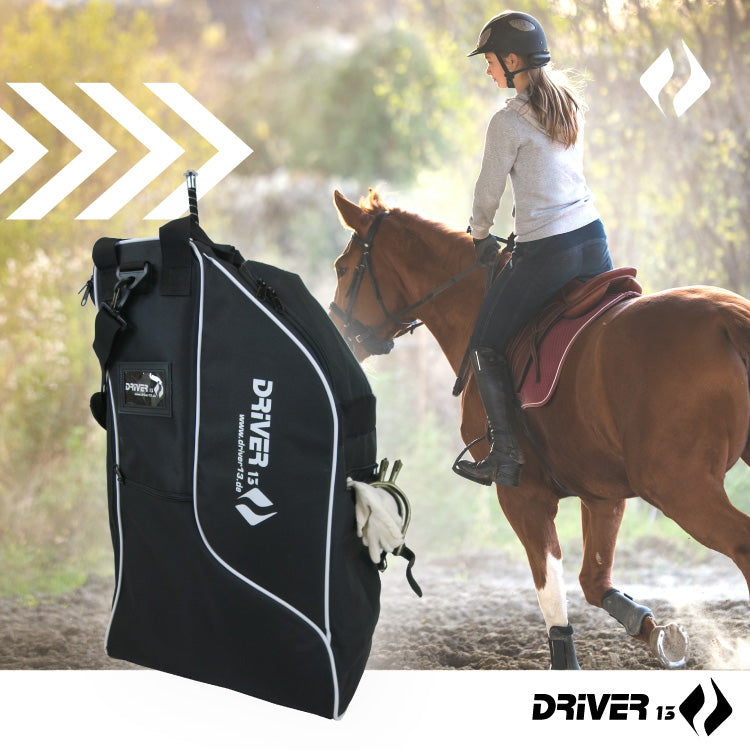
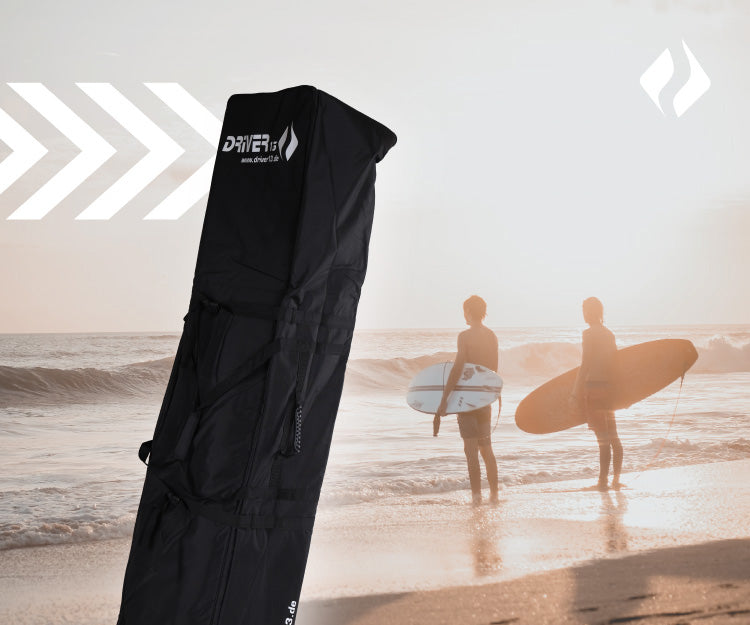
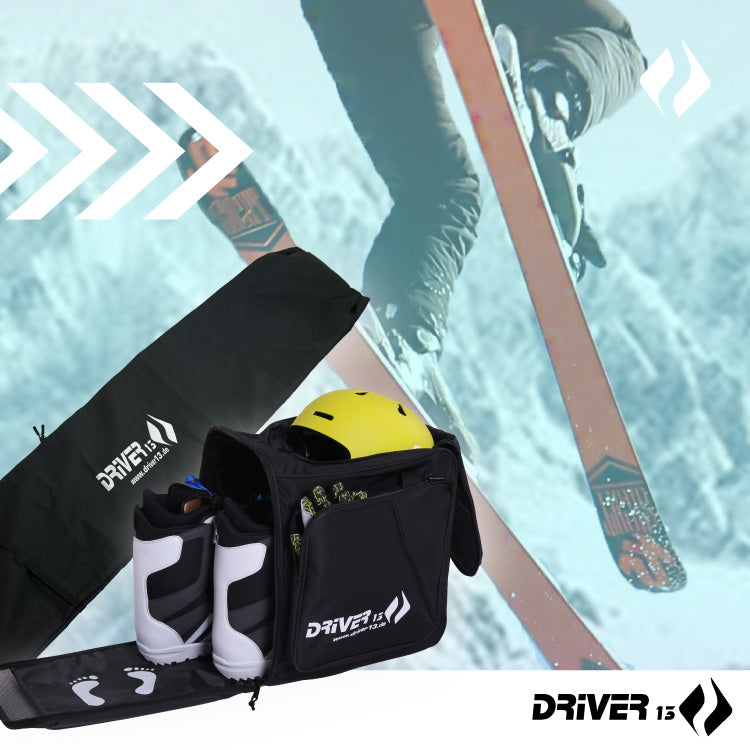
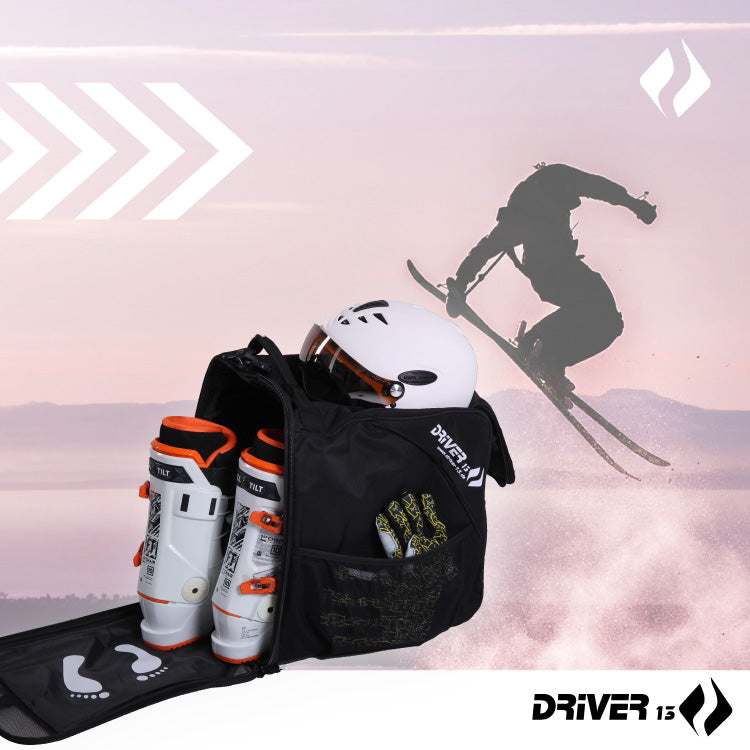
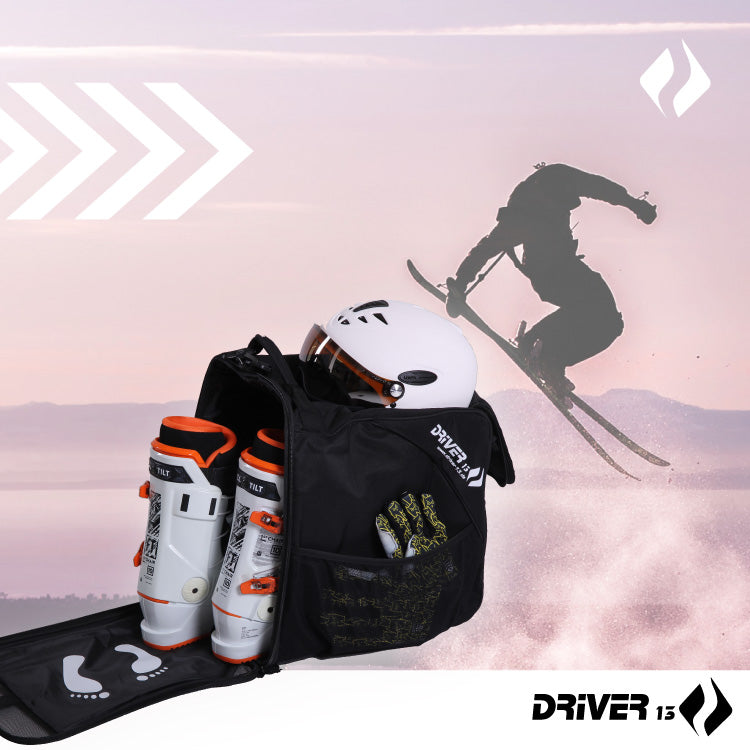
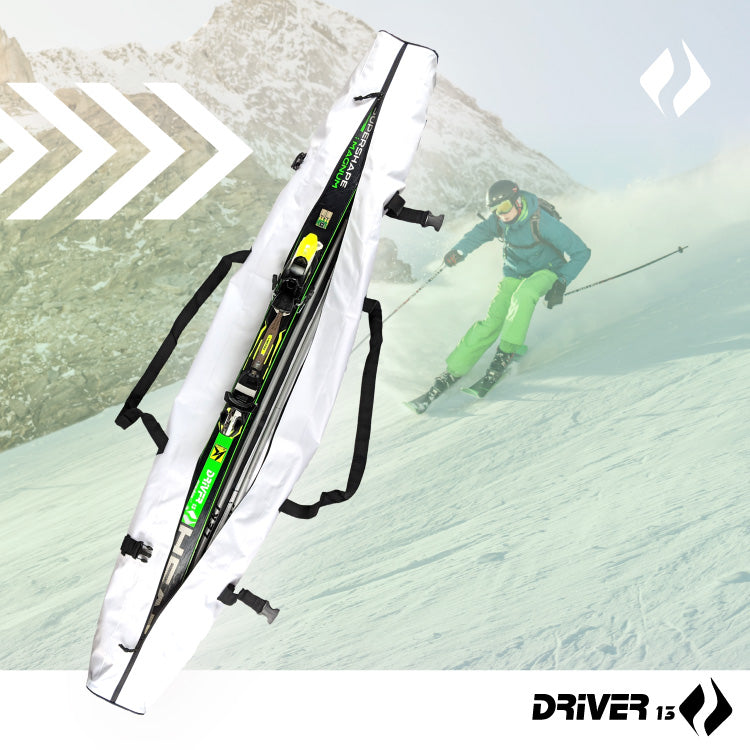
Immediately after getting out of the water, wet neoprene clothing should not lie loose in the trunk, sports bag, or between towels. Otherwise, sand, salt water, seagrass, and moisture quickly spread to everything lying next to it. A separate wet compartment solution or a waterproof bag with welded seams reliably holds back dripping water and separates the suit from dry clothes, shoes, and electronics.
For the drive back, the suit can be folded or loosely rolled. This is practical when there is little space. However, it should not remain tightly compressed for hours. Tight creases put unnecessary stress on the material, especially with thicker winter suits. If the drive is short, it is usually enough to give the suit a rough shake, close the zipper, and store it separately.
For a longer journey home, a towel as an intermediate layer is worth it. It absorbs some of the free water and prevents the suit from lying in a puddle. The towel is then also washed or dried separately. A bag with a smooth interior surface is clearly at an advantage here: It can be rinsed out and dries faster than a normal textile sports bag.
Remove salt water, chlorine, and sand before storing
Moisture alone is not the biggest problem. Salt, chlorine, and fine sand attack the material, seams, zippers, and coatings in the long term. After the sea, neoprene should be rinsed with fresh water as soon as possible. The same applies after the swimming pool, because chlorine can make the material brittle over time.
First turn the suit inside out and rinse the inside. Sweat, skin oils, and residues accumulate particularly strongly there. Then follow the outside. A strong jet of water is usually sufficient. Aggressive household cleaners, fabric softeners, and hot water are unsuitable. They can attack adhesive bonds or impair elasticity.
Sand should not be allowed to dry and rub in. Remove it at the spot with some water or shake the suit out. Zippers deserve special attention: sand grains can make the movement difficult. After rinsing, the zipper can be carefully opened and closed several times. Do not pull with force if it sticks.
Storing wet neoprene clothing properly: The bag for the journey home
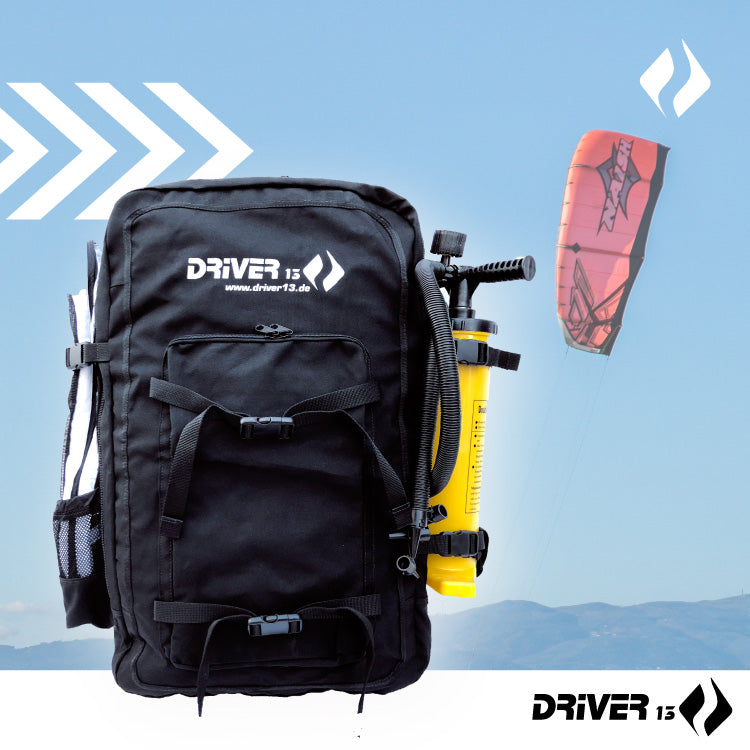
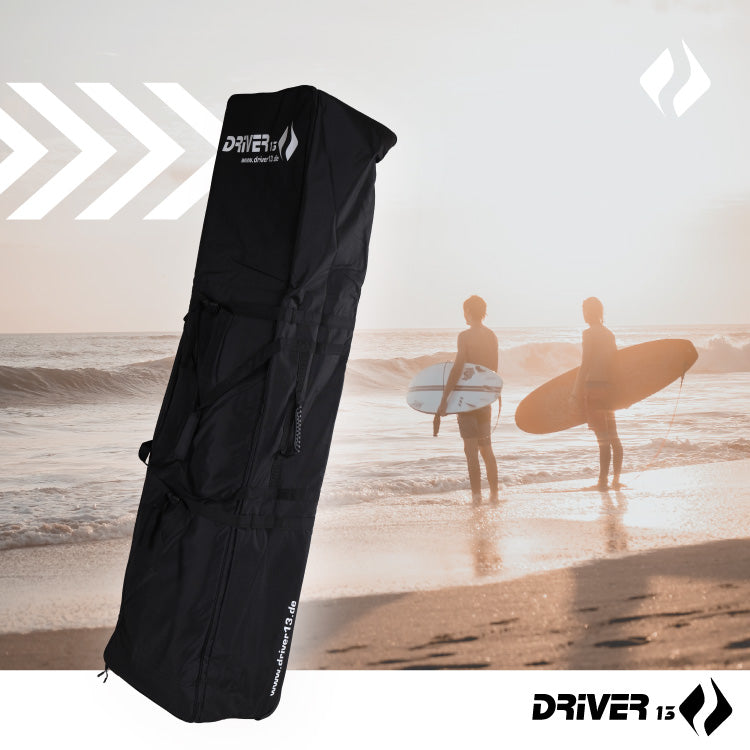
A waterproof bag is no substitute for drying, but it solves the transport problem. It protects the trunk from dripping water and prevents wet clothing from coming into contact with a helmet, change of clothes, or dry neoprene. For families, kitesurfers, or divers with a lot of equipment, this separation is particularly useful because several wet pieces often result after a sports day.
Pay attention to sufficient volume. A thick neoprene suit needs significantly more space than a thin shorty, especially when neoprene shoes, gloves, or a hood are added. If chosen too small, the bag will constantly be overfilled. Then it is harder to close, and the clothing is unnecessarily squeezed.
Wide carrying handles, a low-maintenance material, and a bottom that can withstand a wet surface are practical. Those who are regularly out on the water benefit from a solution that is exclusively reserved for wet equipment. Driver13 relies on the clean separation of equipment and clothing in sports luggage - exactly this principle also makes everyday life in water sports easier.
At home, the bag should be opened immediately. Wipe out residual water and let it dry completely, ideally with the opening turned outward. If a closed bag is placed damp in the basement, car, or hallway, odors often develop faster than expected.
How to dry the neoprene suit material-friendly
After rinsing, neoprene is not dried in the blazing sun, on the heater, or in the tumble dryer. UV radiation, strong heat, and dry heating air can cause the material to age. A shaded, well-ventilated place is better - such as a covered balcony, a garage with an open window, or a dry basement room.
First hang the suit inside out. This way, the inside, which lies directly on the skin, dries first. As soon as it is largely dry, turn the suit right side out and let the outside air out as well. This double step takes longer than a quick hanging, but significantly reduces the typical musty smell.
A wide neoprene hanger or a bar with a large support surface is better than a narrow wire hanger. Narrow hangers can leave pressure marks on the shoulders and neck. For very heavy, wet suits, the weight can stretch the shoulder area. Then it is useful to lay the suit in the middle over a wide bar. The crease should not permanently lie in the same place.
Neoprene shoes, gloves, and hoods dry separately. Turn them inside out so that water can drain from the inside. Straight shoes often dry on the outside, while moisture still remains inside. Who puts them too early into a closed box or bag creates the ideal basis for odor and mold.
What applies during longer storage
Neoprene may go into a closet, a clean box, or a spacious sports bag only when completely dry. Completely dry also means: the lining, seams, zipper area, and shoes no longer feel cool or damp. In doubt, let it air out for another day.
For the winter break, the suit should hang loosely or lie loosely folded. A tight, permanently rolled-up storage is unsuitable. Also avoid places directly next to heating pipes, in very damp basements, or in the trunk. Temperature fluctuations and residual moisture shorten the lifespan of the material.
If a suit is not used for several weeks, a quick check is worth it. If it smells musty, it should be rinsed again and completely dried. Small problems are easy to fix as long as they are noticed early. Visible mold, sticky coatings, or brittle seams are, on the other hand, a sign that moisture or heat has had an effect for too long.
Common mistakes after water sports
The most common mistake is closed storage immediately after the session. Even if the drive home was only short: As soon as you arrive, the wet clothing must be taken out of the bag. Equally problematic is the attempt to dry the suit as quickly as possible with direct heat. This saves time in the short term, but can cost material and fit.
Another mistake is storing wet and dry equipment together. A damp neoprene suit next to dry change of clothes, a helmet, or car accessories quickly turns a small moisture problem into several. Separate areas save cleaning effort later.
Who only occasionally goes into the water can keep the process simple: rinse, pack tightly for the drive back, open at home, and dry in the shade. For frequent sessions, a fixed place for wet equipment is worth it. This turns the tedious post-processing into a clear routine - and the neoprene suit is clean, dry, and ready for use for the next session.