


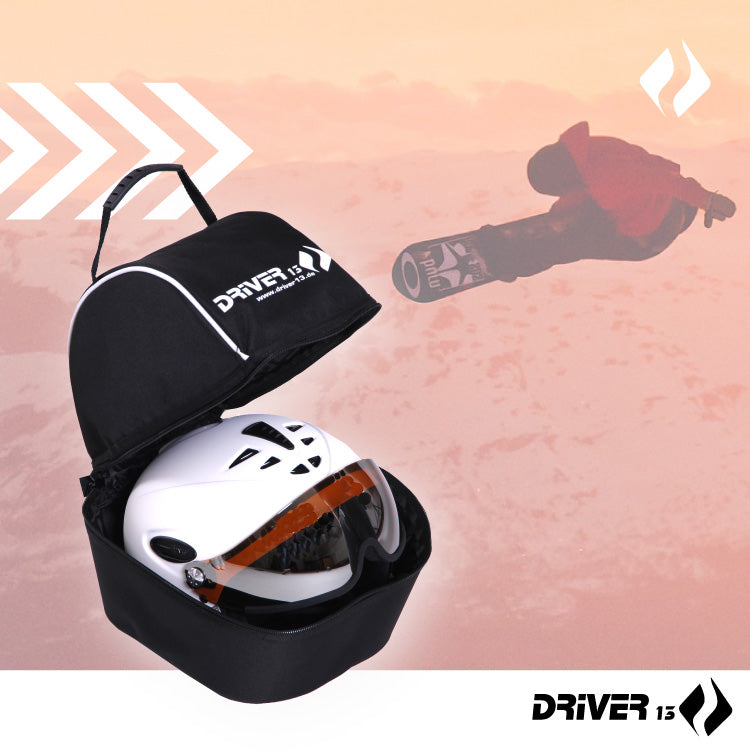
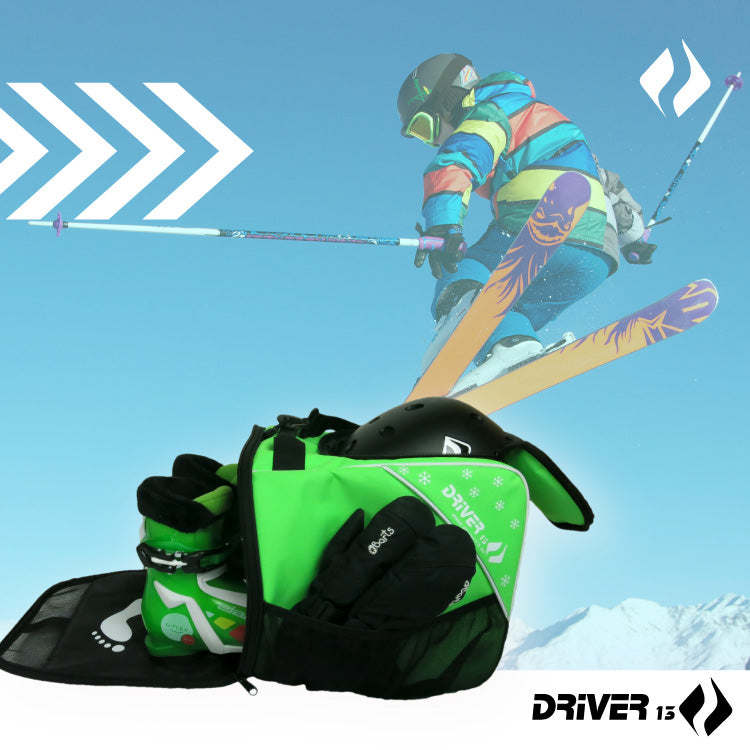
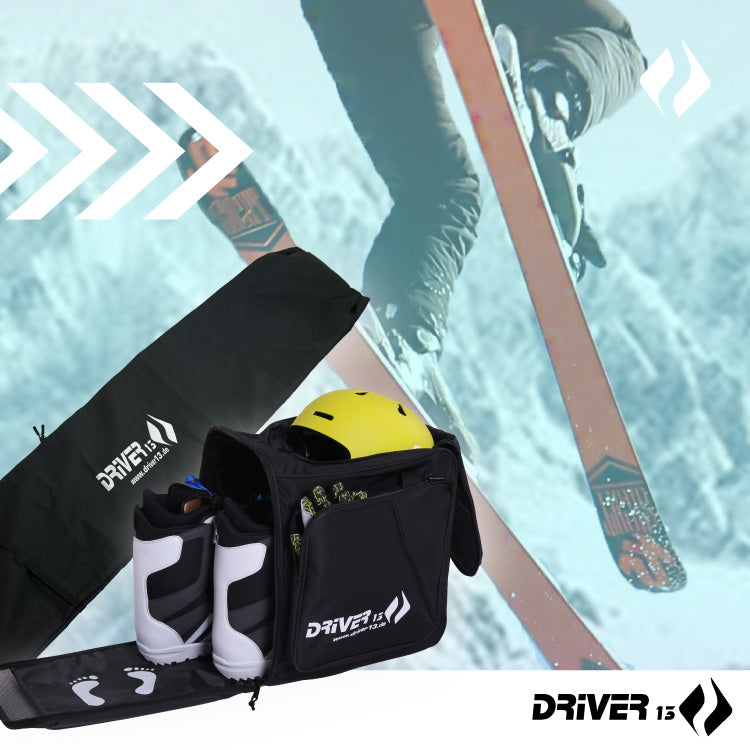
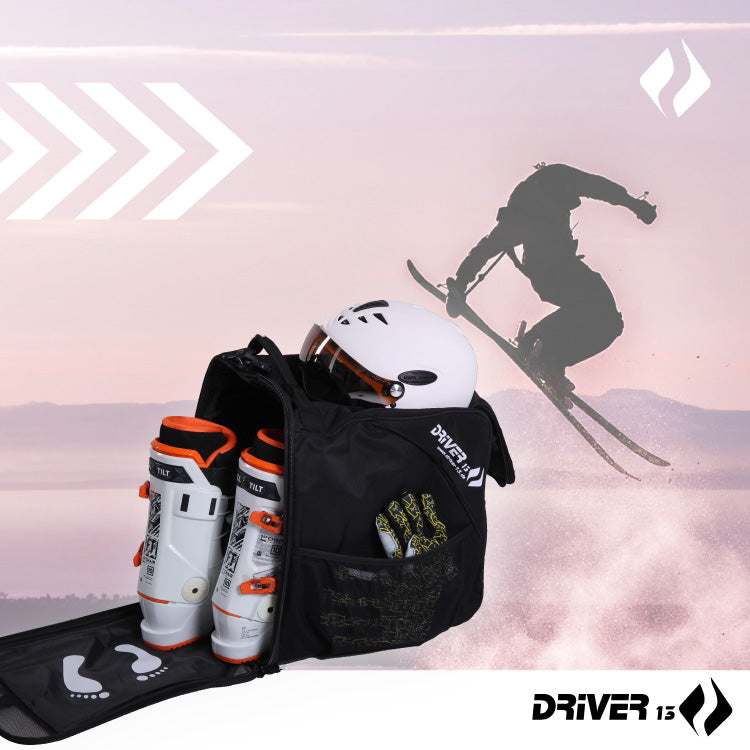

Wet riding boots, sand on the soles and a changing room that should stay as clean as possible: When comparing a riding boot bag or backpack, it is not a question of taste. What matters is how you get to the stable, your lesson or the competition, what equipment you need to take with you and whether you need your hands free on the go. Both solutions reliably organize riding equipment - but for different routines.
Riding boot bag or backpack comparison: the deciding difference
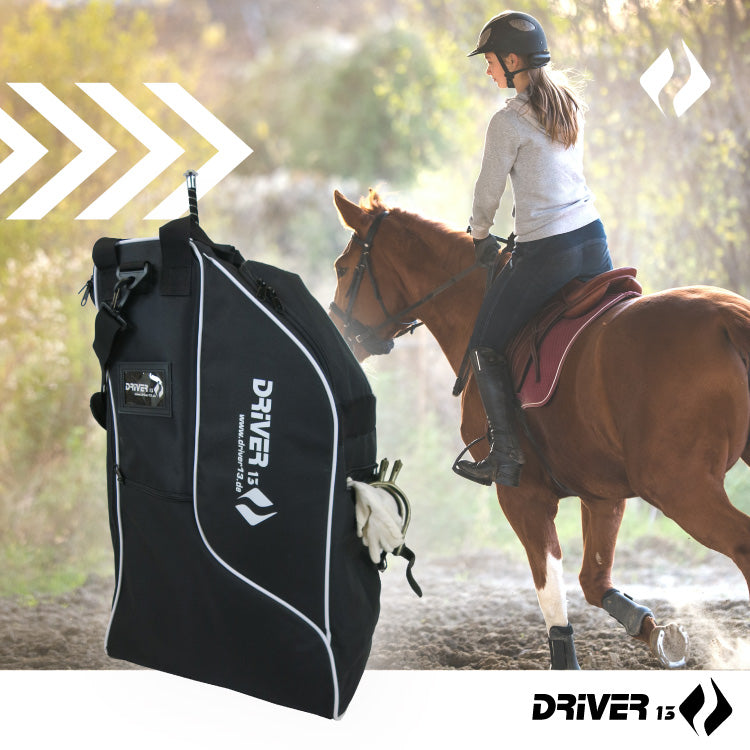
A riding boot bag is primarily designed for tall riding boots. It provides a secure place for a pair of boots, keeps dirt and moisture away from the rest of your luggage and makes transport in the car, along the stable aisle or at the competition grounds easier. It is usually carried by the handle or with a shoulder strap. Its advantage lies in the clear separation: boots stay protected, clothes stay clean.
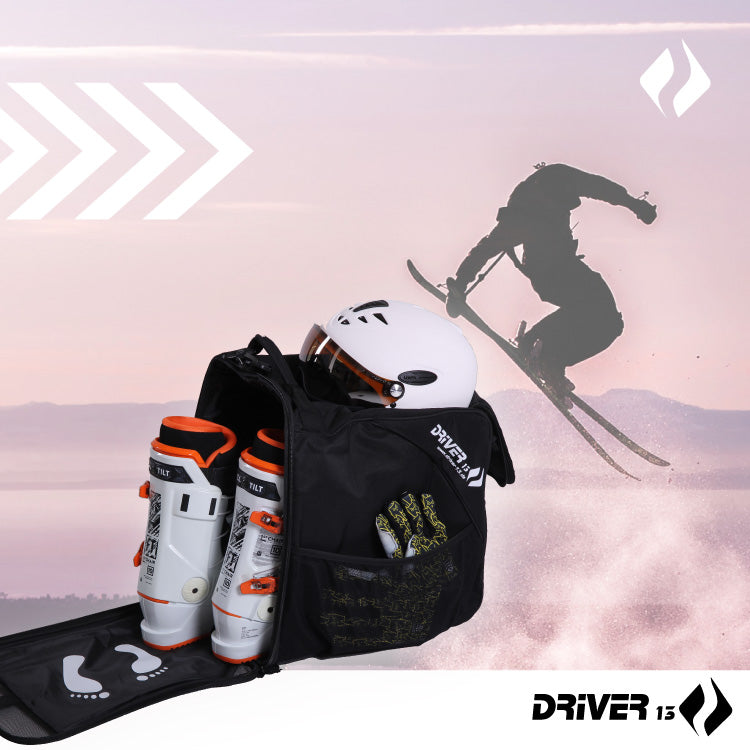
A boot backpack combines this boot compartment with the carrying comfort of a backpack. This is particularly practical if you also need to carry a helmet, gloves, riding crop, change of clothes or grooming kit along with your boots. The weight rests on both shoulders, leaving your hands free - for example for a stable bag, the lead rope or the walk from the parking lot to the riding arena.
The right choice therefore depends less on your style of riding than on your route. Those who mostly store their boots in the car and change directly at the stable often benefit from a classic bag. Those who travel on foot, by bike, by public transport or over longer distances usually have a backpack as the more practical solution.
When a riding boot bag is the better choice
A riding boot bag is ideal for riders who want to transport their equipment specifically and separately. This is particularly useful for high-quality leather riding boots: the shaft is not squeezed between other items, and zippers and delicate surfaces rub less against clothes or accessories. A suitable bag also prevents damp soles from dirtying the boot, the changing bench or other bags.
In everyday use, the bag impresses with its ease of use. Put the boots in, close the zipper, set it down. Those who store the bag in a locker, saddle locker or car can keep an eye on their equipment at a glance. For riders who already use a separate helmet bag and grooming bag, this division is often clearer than a large piece of overall luggage.
Even on short journeys, the riding boot bag plays to its strengths. From the car to the stable aisle, no straps need to be adjusted, and the bag is immediately within reach when loading or unloading. It is therefore well suited for anyone who regularly drives their own vehicle and only needs to transport boots or a few additional small items.
What the boot bag should be designed for
For tall boots, the exterior height is not the only thing that counts. The compartment must offer enough space for the shaft, foot part and zipper without unnecessarily creasing the boot. A water-repellent, easy-to-wipe material is sensible, as after riding, everything rarely stays completely dry and clean.
A sturdy base, ventilation to prevent moisture buildup and separate compartments for spurs, gloves or boot trees are practical. A shoulder strap makes the walk across the parking lot easier. Nevertheless, a riding boot bag remains a specialist: its storage space is limited for much additional luggage.
When a boot backpack offers more everyday practicality
A boot backpack is the right solution when your riding equipment does not end with your boots. Many riders take a change of clothes, water bottle, bandages, gloves, grooming products and their helmet to training. At a competition, race numbers, snacks or rain gear are added. A backpack bundles these things into a wearable unit and ensures that boots stay separate from clean accessories.
The biggest advantage is the weight distribution. Instead of carrying a bag on one side, the luggage rests close to the back and is distributed over both shoulders. This is especially noticeable when the parking lot is far away or the stable is only accessible by bus and train. Parents who accompany their children to riding lessons also appreciate having free hands for additional bags or for the pony on the lead.
However, a backpack is not automatically the best choice for every pair of riding boots. For very tall dressage boots or particularly stiff shafts, the boot compartment should fit exactly. If it is too tight, the shape of the shaft suffers. If it is too large and not sensibly divided, the boots can bang against each other while carrying. It is worth checking the dimensions and compartment layout with your own boots before purchase.
Which compartments a good boot backpack needs
The focus is on a separate boot compartment, detached from the main compartment. This keeps dirt, moisture and odors where they belong. The upper compartment should offer enough space for a helmet and clothes. Smaller pockets are also useful so that keys, mobile phone, wallet and hair ties do not disappear between grooming gear or socks.
Wide, adjustable shoulder straps improve carrying comfort on longer journeys. A padded back is helpful if the backpack is regularly fully loaded. Also pay attention to a reinforced base: In the stable, luggage is often placed on paving stones, sand or damp ground. At Driver13, such sport-specific details are aimed at the question of how equipment actually gets to the place of use - not just how it looks in the locker.
Properly separating boots, helmet and clothes
Whether you choose a bag or a backpack: the internal organization determines everyday practicality. Riding boots should not lie loose next to clean change of clothes. Sand gets stuck in fabrics, and moisture can cause unpleasant odors. A separate boot compartment therefore saves time later when unpacking and cleaning.
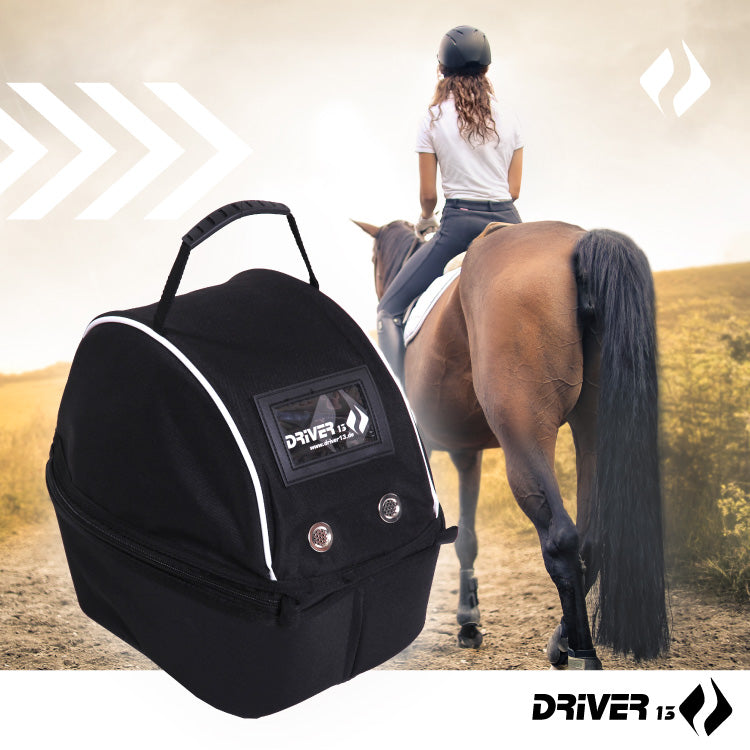
The helmet should also be transported protected. It should not be subjected to pressure from boots or grooming bottles and should not lie unsecured in the boot. If your backpack does not offer a sufficiently protected helmet compartment, a separate helmet bag can be the better addition. This applies especially to riders who also frequently take their helmet to competitions or lessons.
Grooming gear, hoof picks and grooming products, in turn, need a compartment that can be cleaned. Liquid leather care or mane spray should stand upright as much as possible. A clearly divided kit not only prevents dirt but also reduces searching before the lesson.
Decision based on use: stable, competition or on the go
For the regular drive with the car, a riding boot bag is often sufficient if you transport clothes and your helmet separately anyway. It is compact, designed specifically for boots and can be quickly stowed in the boot. Those who only want to change their shoes after riding can also use the bag as a clean storage solution.
For the journey by bike, train or on foot, a boot backpack is usually superior. It is more comfortable to carry, holds more and keeps both hands free. Riding students who want to have everything for the lesson in one bag also benefit from this solution.
At a competition, it depends on the amount of equipment. If boots, helmet, clothes and small items have to go together from the trailer to the tacking area, a backpack brings order to the process. If several bags are already ready in the car or van and only the boots need to be protected, the classic riding boot bag remains the more targeted choice.
Buying decision: dimensions, material and care in mind
Measure your riding boots from the ground to the upper edge of the shaft before purchase and take into account the zipper as well as a possibly wider calf area. For children's riding boots or Jodhpur boots, the space requirement is usually less critical. For tall dressage and jumping boots, however, the shape of the compartment should be carefully checked.
Choose a material that can be easily wiped clean after a wet day at the stable. Ventilate the bag or backpack after use instead of storing the boots permanently enclosed. Clean soles before packing also extend the life of the inner lining and zippers.
If you primarily want to protect and store boots separately, choose the riding boot bag. If you want to carry your entire training equipment on your back, the boot backpack is the more functional answer. What matters is that your bag makes your actual journey to the horse easier - in all weather and without unnecessary rearranging.


