
The question of ski cover or ski bag is not decided by appearance, but by your journey to the mountain. Those who only carry skis from the basement to the car have different requirements than families on vacation, train travelers, or skiers whose equipment is in a roof box. Crucial are protection from scratches and edges, a suitable length, neat storage, and transport that remains practical even with ski boots, a helmet, and luggage.
In retail, the terms are not always used consistently. That is why it pays to look at the material, padding, length, and features rather than the product designation alone. A good ski bag takes away the problems that repeatedly arise during transport: wet bases, sharp edges, loose skis, and dirt in the vehicle.
Ski cover or ski bag: The practical difference
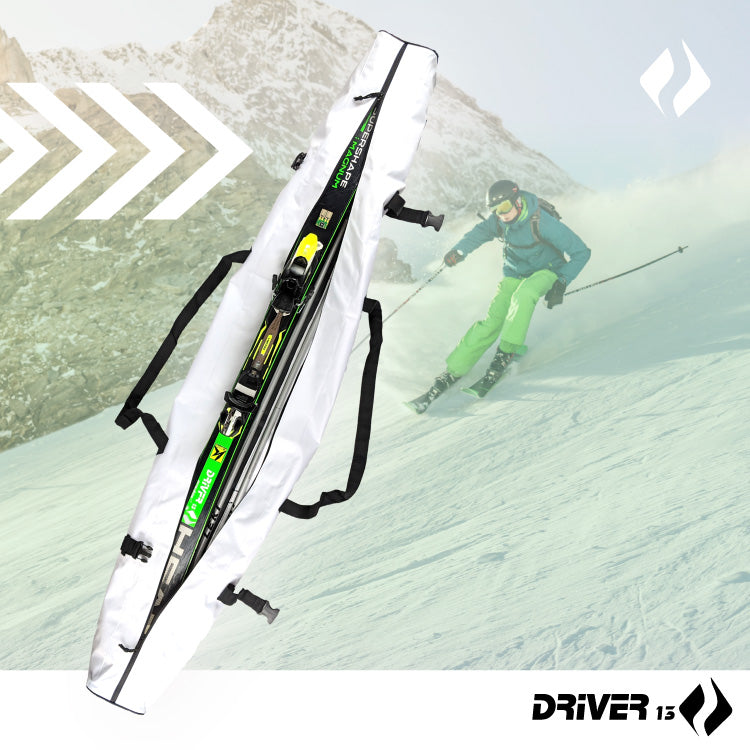
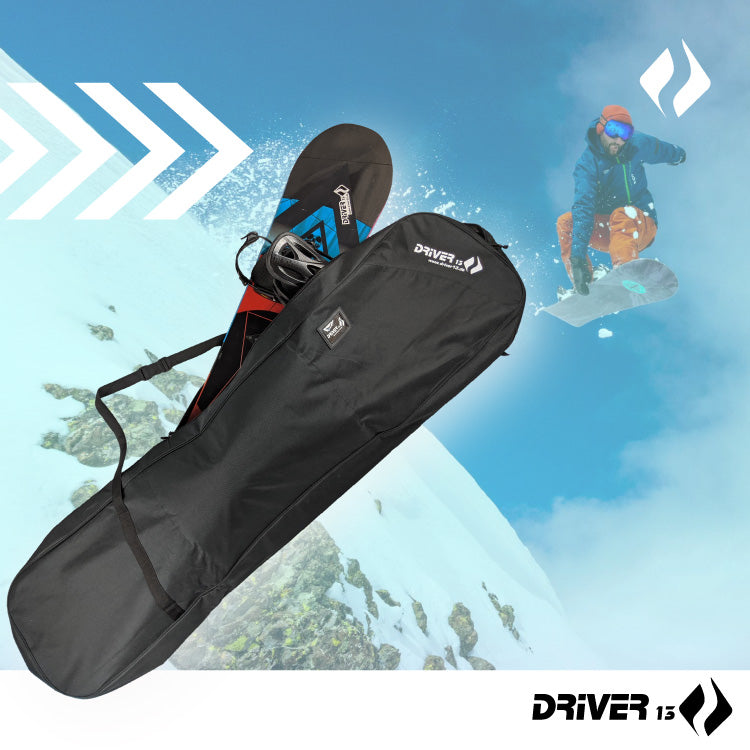
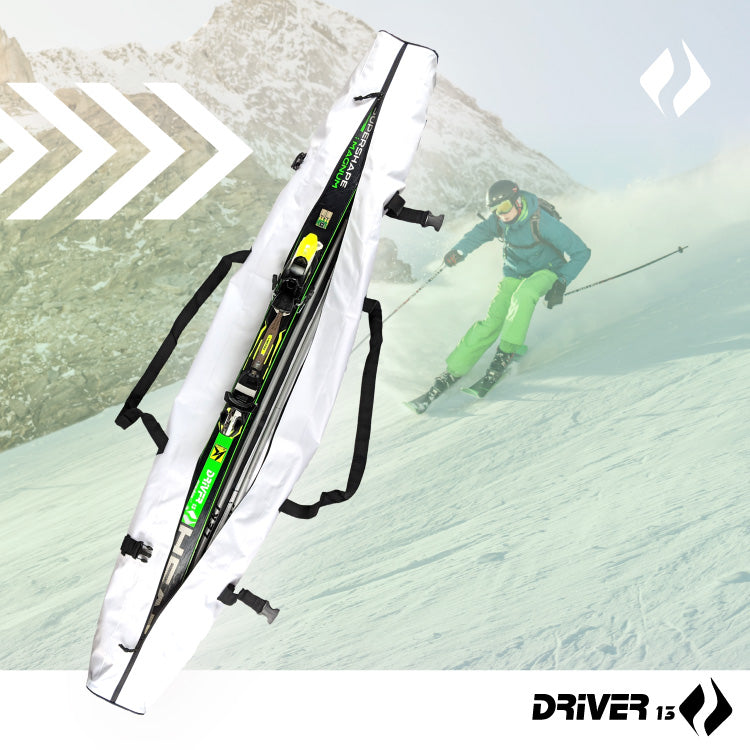
A ski cover is usually the slimmer solution. It tightly encloses a pair of skis, protecting them from dust, light scratches, and contact with other equipment. It often consists of durable fabric, has a zipper, and a carrying handle. Its advantage lies in its small size and quick handling. This is often enough for a drive in your own car or storage at home.
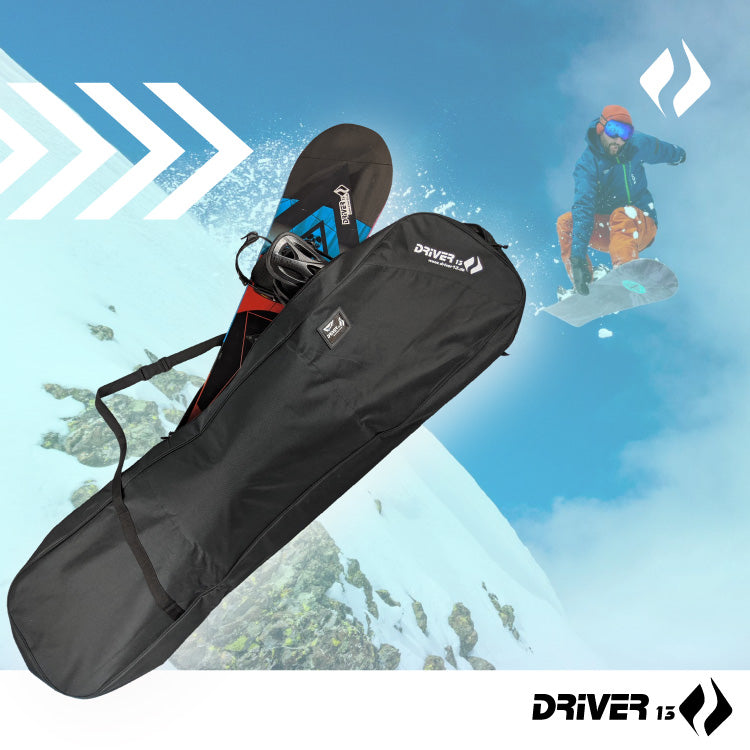
A ski bag is usually cut more generously and designed for longer journeys. It offers more space around the bindings and ski tips, can have stronger padding, and is often equipped with a shoulder strap or additional carrying handles. Some models are designed for a pair of skis, others for two or more pairs. This makes them particularly useful when skis are transported on a train, coach, roof box, or among many other pieces of luggage.
The line remains fluid. A narrow, unpadded bag can be sold as a ski bag, while a well-padded cover offers more protection than some simple bag. Therefore, always check the product description and compare the features with your actual use.
When a ski cover is enough
A simple cover is suitable for skiers who have short transport distances and can store their skis in a controlled manner. This applies, for example, to the drive to the nearby slope, transport in your own trunk, or seasonal storage in a dry basement. Those who want to carry as little additional weight as possible also benefit from a slim solution.
It is important that the cover is long enough and the binding is not under tension. Models that are too short leave the ski tips or shovels unprotected. Bags that are too long are rarely a safety problem, but can become unwieldy when carried and take up unnecessary space in the car.
For high-quality skis, you should be realistic: A thin cover does not prevent damage if heavy suitcases, ski boots, or metal edges are resting on it. It protects the surface, but does not replace padding. Those who frequently pack the skis together with other equipment should therefore choose a sturdier bag.
For these uses, a ski bag is the better choice
A padded ski bag pays off as soon as the transport becomes less predictable. On trips, luggage is stacked, pulled, set down, and sometimes not handled particularly carefully. Padding reduces the risk of pressure marks and scratches on the base, edges, and top. A heavy-duty zipper keeps the bag closed, even when layers of clothing or accessories press against it in the trunk.
For train travel, a shoulder strap is particularly practical. It leaves your hands free for ski boots, a helmet, or a travel bag. When changing trains, this difference quickly makes a big difference. Families also benefit from separate bags: Each pair of skis remains assigned, children can carry their equipment more easily themselves, and there is less clutter in the vehicle.
Transporting several pairs of skis in one large ski bag saves bags, but has a disadvantage: The weight increases significantly and the skis can rub against each other. For two pairs of skis, a correspondingly padded multi-pair solution makes sense. With more equipment or different lengths, individual bags are often the better-organized option.
Measuring the right length
The bag length is based on the ski length, not body size. Measure the ski from the shovel to the rear end and choose a bag that covers at least this length. A little leeway makes packing easier, especially with wide shovels or bulky bindings.
A bag with a length of 165 centimeters is intended for skis up to this length. If your skis are exactly this size, it may fit if the cut is generous enough. However, for very wide freeride or all-mountain skis, a little reserve is useful. For children's skis, you do not need an overly long adult bag if the children are to move the equipment themselves. A suitable length remains lighter, clearer, and easier to store.
Also pay attention to the intended use. A bag for alpine skis does not automatically fit for cross-country skis. Cross-country models are narrower, often longer, and require a different fit. Those who ski both sports should choose the bags separately instead of forcing a compromise solution.
Padding, material, and bottom: What matters
The most important protection question is: How much foreign contact must the skis withstand? For the protected trunk, a durable outer cover is usually sufficient. For flights, trains, buses, or roof boxes, padding is significantly more valuable. It dampens impacts and prevents the edges from hitting other objects directly.
The outer material should be abrasion-resistant and not absorb moisture immediately. After a ski day, skis are rarely completely dry. A bag then protects not only the skis from dirt, but also the trunk, the hotel accommodation, or other pieces of luggage from moisture. A ski bag does not necessarily have to be completely waterproof. It is more important to open it after returning and let it dry. Permanently enclosed moisture stresses the material and can cause the edges to rust.
A reinforced bottom is particularly worth it if the bag is regularly placed on asphalt, parking lot snow, or train platforms. Good carrying handles are positioned so that the weight remains balanced. For longer distances, an adjustable shoulder strap sensibly complements the equipment.
Features that really help in everyday life
Not every extra is necessary. A smoothly running zipper, durable seams, and a suitable length take precedence over additional compartments. Nevertheless, there are features that make transport significantly easier.
A name tag helps on group trips, ski courses, and in the hotel ski room. Compression straps keep the skis compactly together and prevent them from sliding around in the bag. Separate inner layers or dividers make sense with several pairs because the edges and surfaces are less directly touching each other. A shoulder strap is not a must for short distances, but is very helpful if you are also carrying a boot bag and travel luggage.
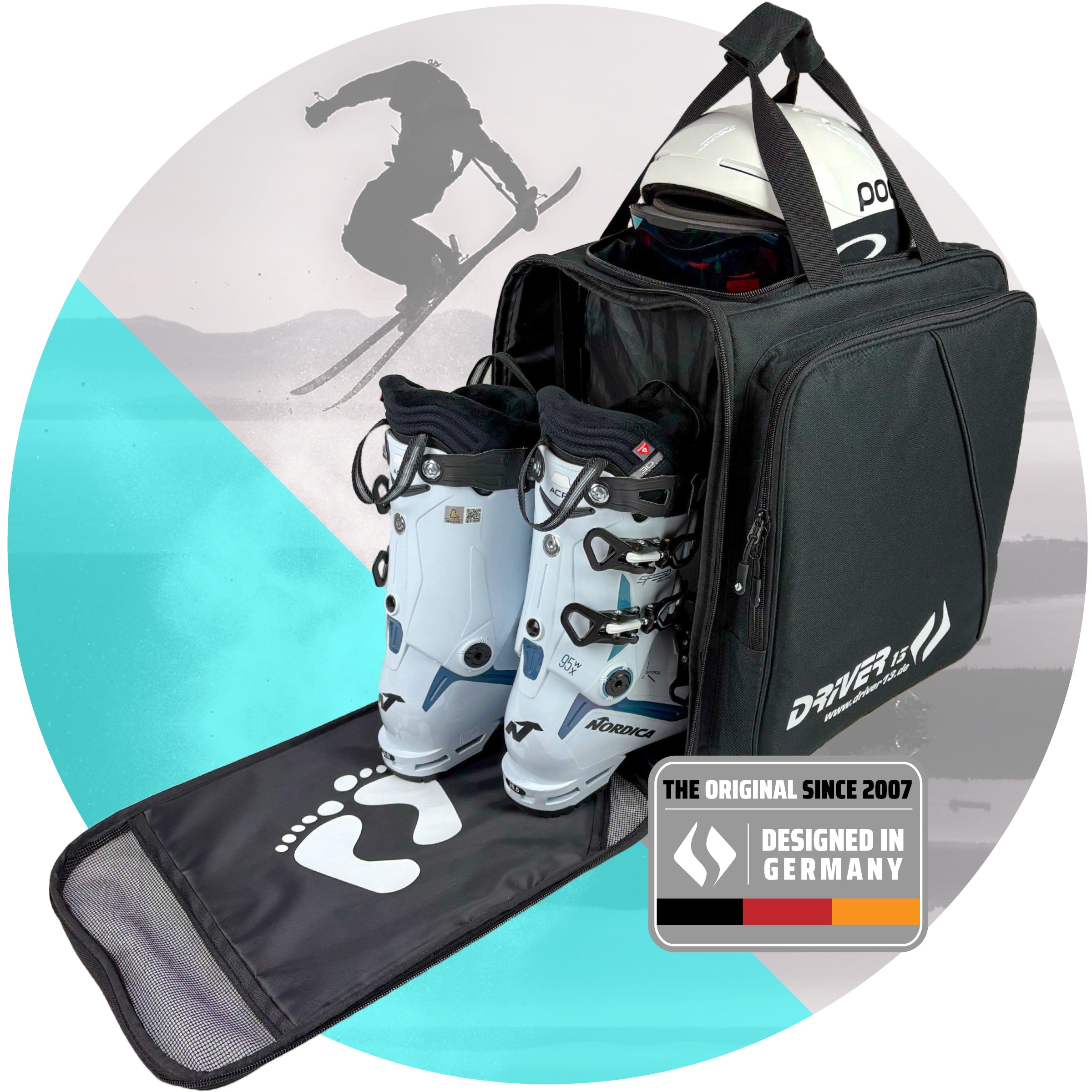
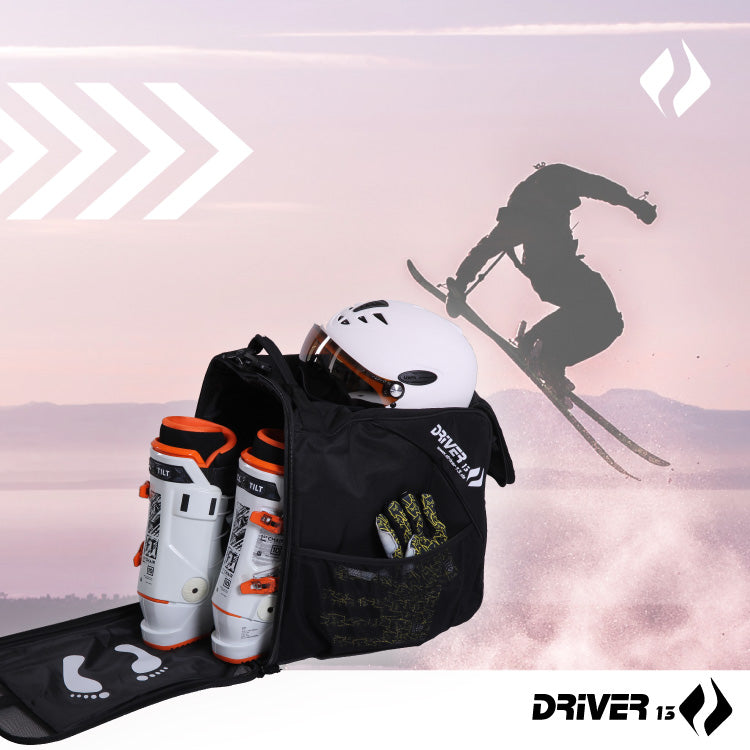
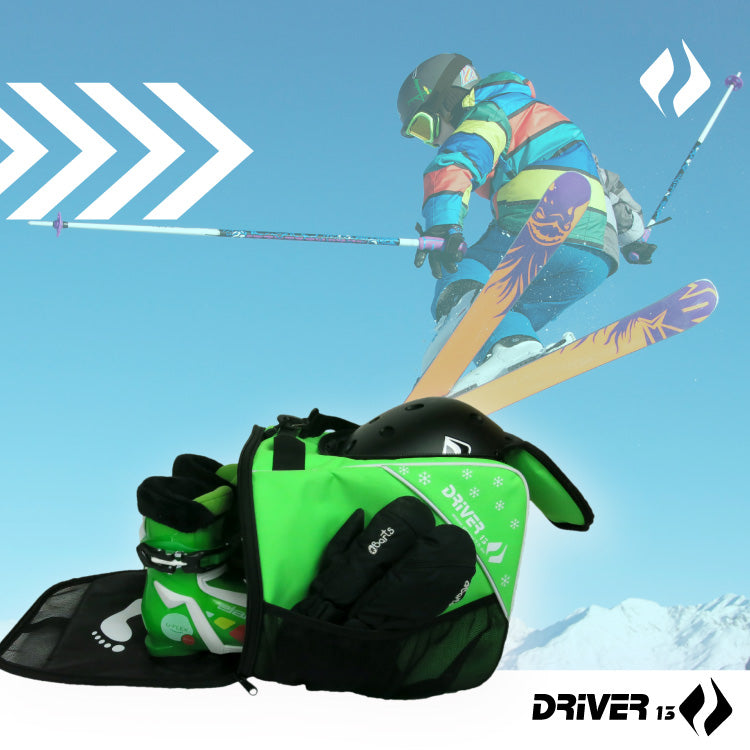
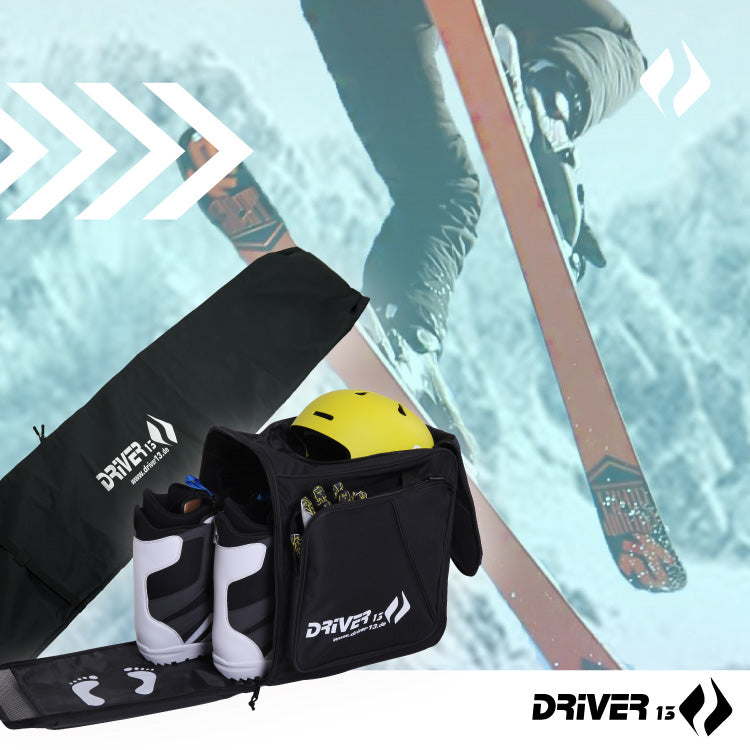
Ski boots should not be loosely in the same bag as the skis. Hard soles, buckles, and residual moisture can damage the bases and surfaces. A separate ski boot bag creates order and separates wet or dirty equipment from the rest of the luggage. Exactly this clear division saves time after the ski day.
Avoid typical bad purchases
The most common mistake is a bag that is only selected based on price or a nice picture. A cheap, too-short cover does not protect if the ski tips stick out. A large multi-pair ski bag is of little use if it can hardly be carried when fully loaded. And a heavily padded bag is oversized if the skis are stored exclusively protected in your own basement.
Therefore, buy according to your journeys: short car rides, regular weekend trips, family vacations, or train travel. Note the ski length, number of pairs, and additional luggage. Then check if the ski bag fits in your vehicle, your roof box, or the train compartment. At Driver13, this sport-specific selection is the focus: Transport solutions are intended to protect equipment and organize the journey to the sport more easily.
Care for a long service life
Empty the bag completely after the ski day. Snow and moisture do not belong in a closed ski bag for days. Open the zippers, let the inside and outside dry, and remove coarse dirt with a damp cloth. Especially after trips with road salt, it pays to take a look at the edges and bindings.
Only store the skis in the bag again when both are dry. For the summer break, the bag can serve as dust protection, but should not lie damp or tightly compressed in the basement. This keeps the material, zipper, and padding functional for longer.
If you move your skis regularly, the right bag is not a side issue. Choose the slim ski cover for simple, controlled journeys and the padded ski bag for travel, multiple pieces of luggage, and more protection needs. Then the skis, car, and nerves arrive significantly cleaner at the destination.