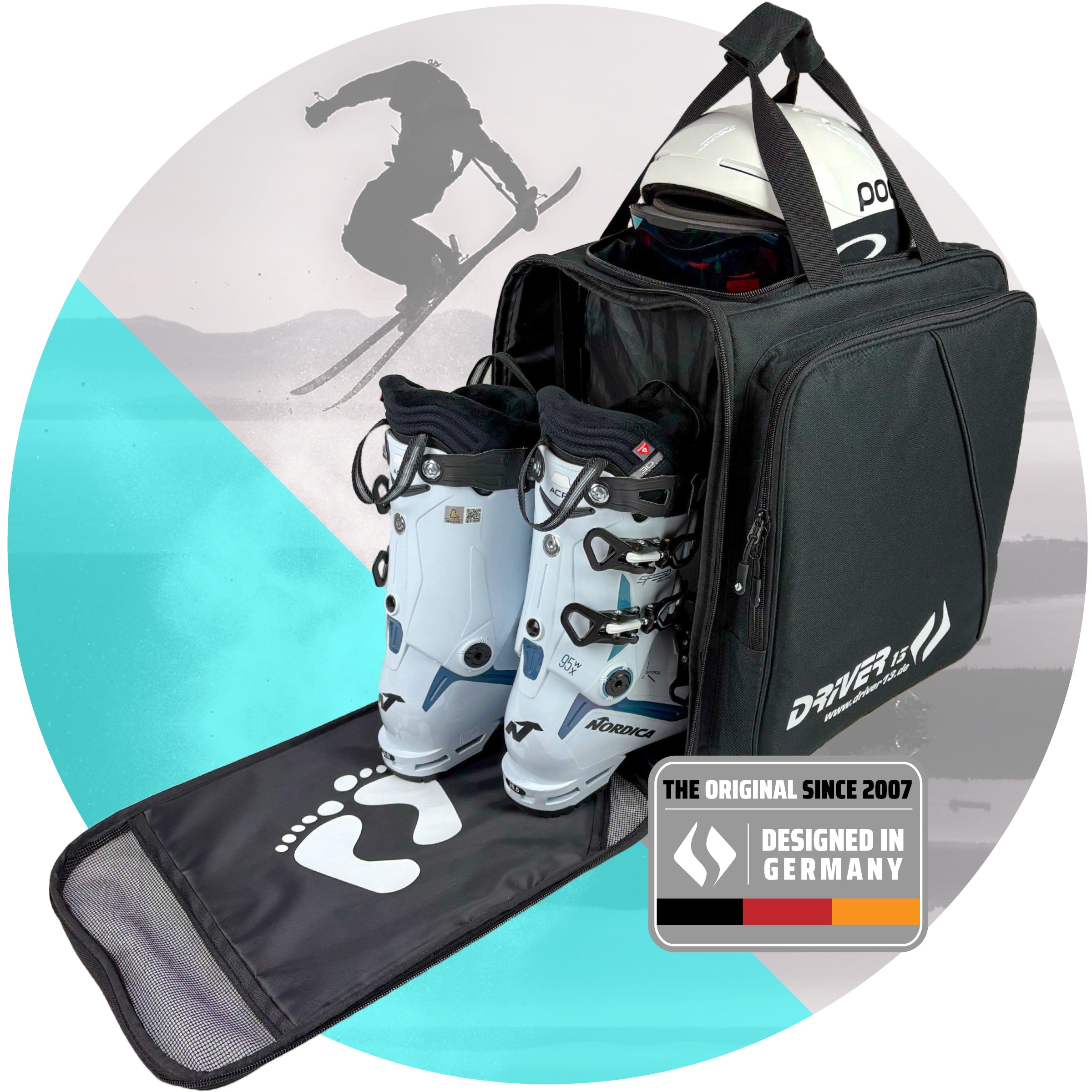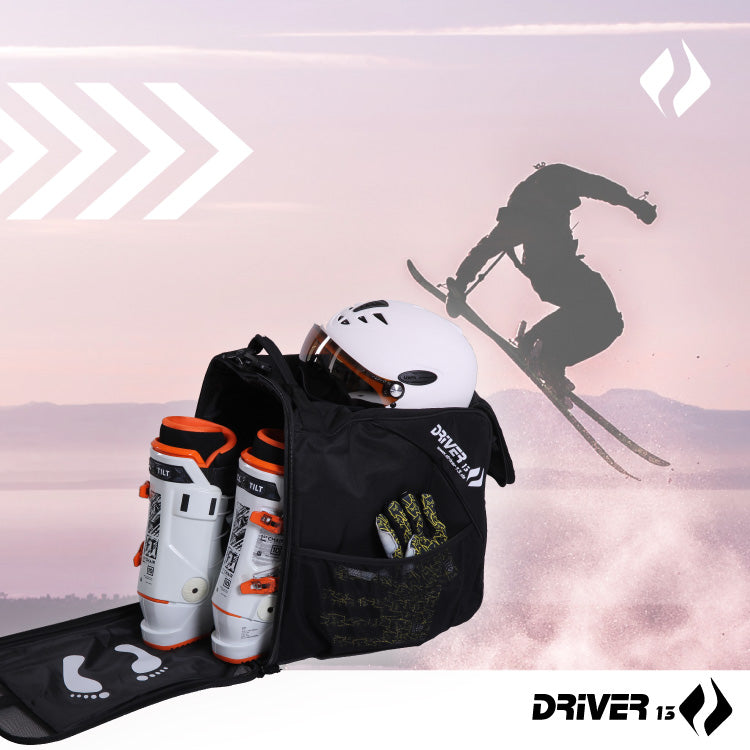
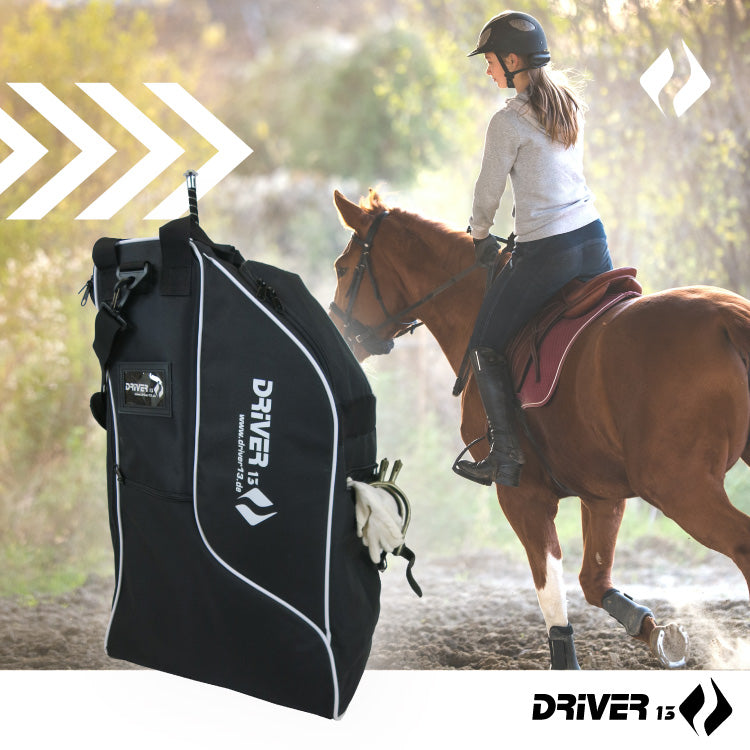
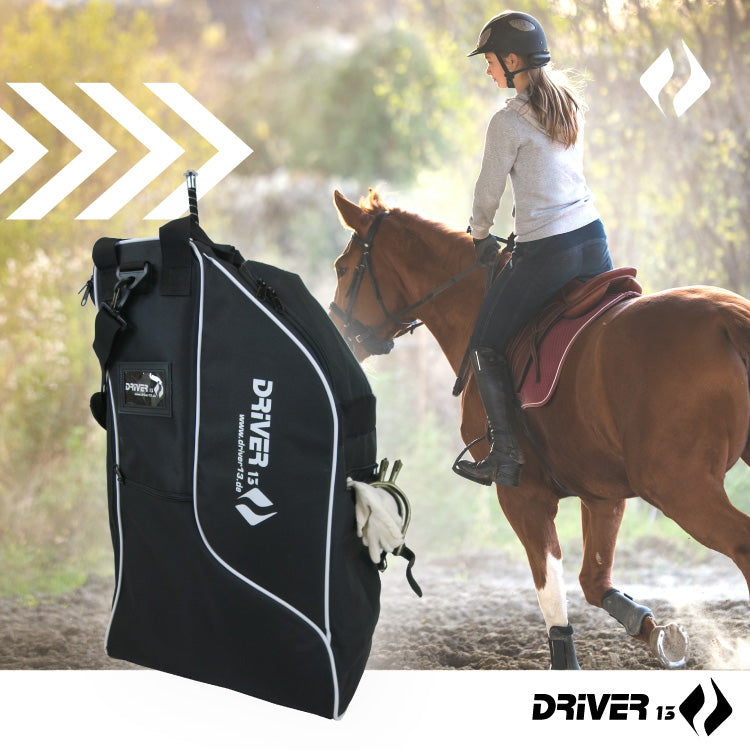
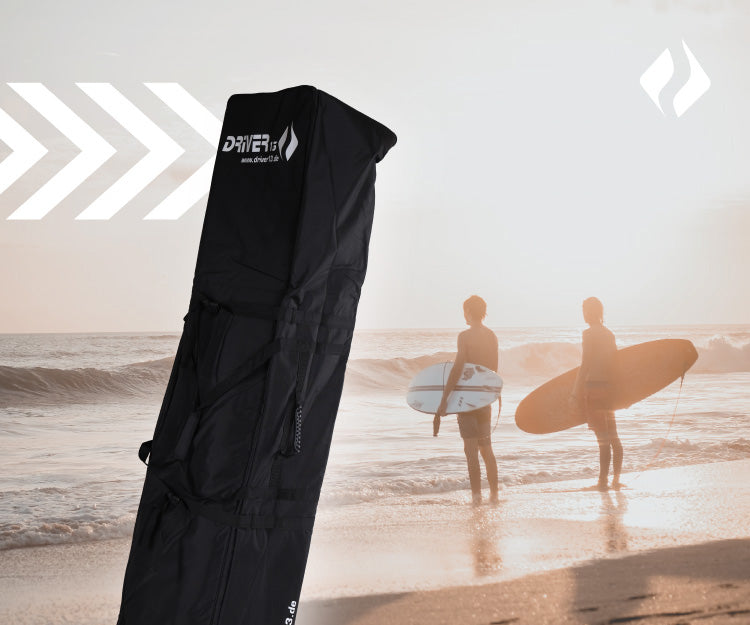
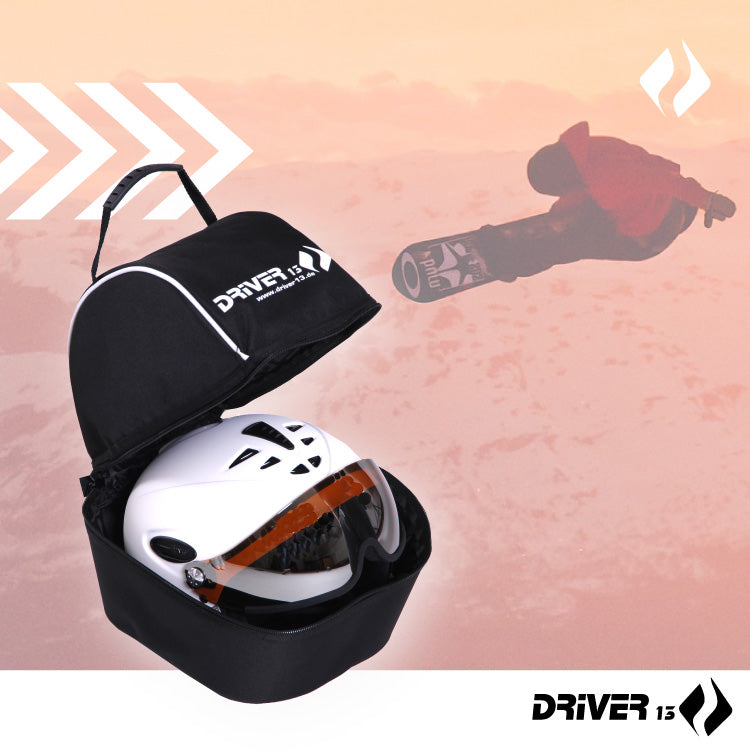
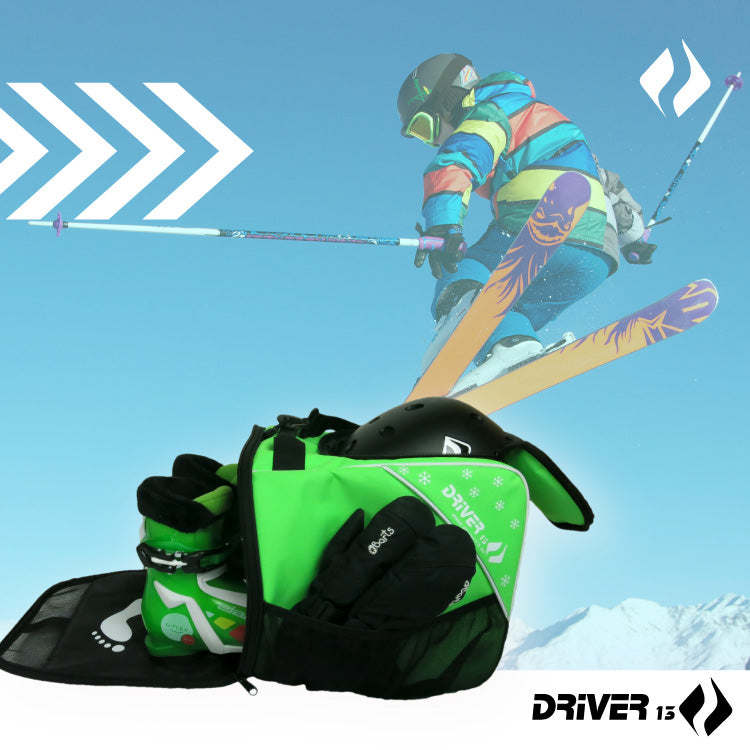
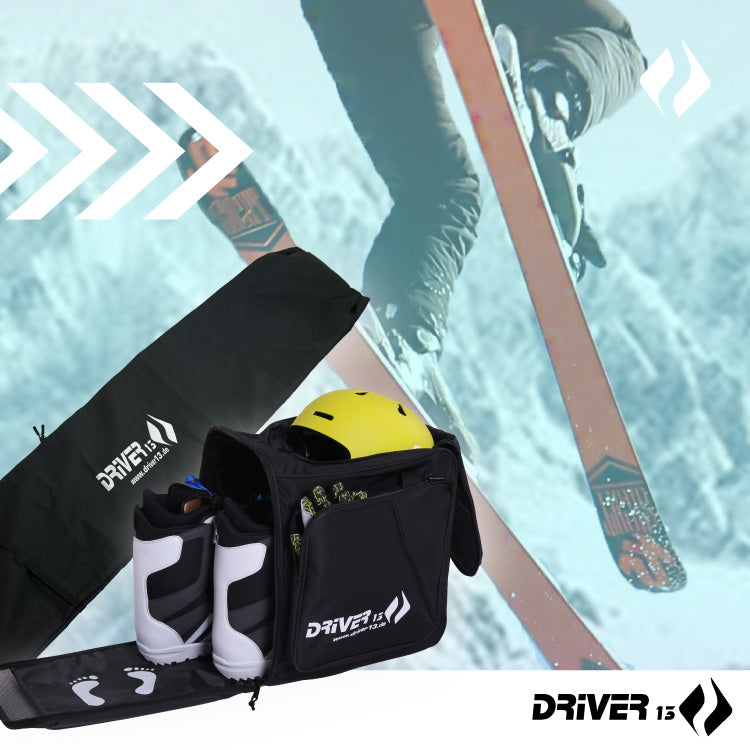
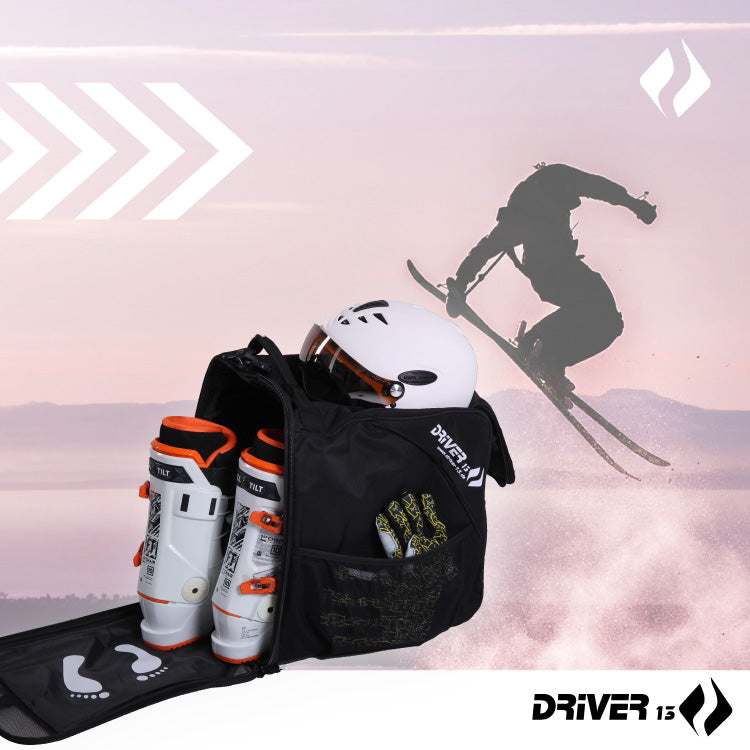

Wet ski boots in the trunk, melting snow on the back seat and the smell of damp inner boots are unnecessary companions on a ski day. A ski boot bag reliably separates the boots from the rest of your luggage and makes transporting them from the basement to the car and on to your accommodation much easier. The main thing is not just that both ski boots fit inside. The bag must suit the type of routes you take, your other equipment and how often you go skiing.
Why a ski boot bag offers more than just storage
Ski boots are bulky, hard and usually damp after use. If you transport them loose, you risk scratching other items, creating moisture in the vehicle and causing a mess when loading and unloading. A suitable bag keeps everything in place. This is particularly useful if you leave early, are travelling with children or want to quickly stow your equipment after a long day on the slopes.
The biggest advantage is the clear separation: boots stay in their own area, while your helmet, gloves, ski socks or spare clothes remain clean and within easy reach. Depending on the model, additional pockets can hold small items that would otherwise be easily lost. These include your ski pass, sunscreen, tools or a dry pair of gloves.
However, a ski boot bag does not replace the need to care for your boots. Damp inner boots should still be removed after a day of skiing and dried thoroughly. The bag makes transport easier, but it cannot compensate for moisture that remains trapped inside for extended periods.
Which ski boot bag is right for you?
Before buying, take a look at your routine. If you mainly drive to your day trips, a compact boot bag with a sturdy carrying handle is often sufficient. If you travel by train, bus or plane, a backpack model may be more appealing. This keeps your hands free for skis, luggage or children. If you regularly go away for several days, you will benefit from additional pockets for your helmet and accessories.
The size of your ski boots also matters. Racing boots, wide freeride models and boots with large buckles require more space than compact recreational boots. A bag that is too small puts strain on the zippers and seams. It also makes packing more difficult if the boots are still damp or covered in snow. A little extra space is useful, but too much empty space means your equipment may shift while you are carrying it.
Therefore, check not only the external dimensions, but also the stated capacity and internal layout. If your helmet is to fit in the bag, it needs its own sufficiently large compartment. While it is possible to place a helmet between the ski boots, this is not a good long-term solution: buckles and soles can damage the surface.
Bag, backpack or set?
The classic bag is suitable for anyone who only travels short distances and wants to keep their ski boots protected in the car or ski locker. It is usually easy to load and can be stacked neatly. A boot backpack is the better choice for longer distances from the car park to the gondola, for train travel or when you need to keep both hands free.
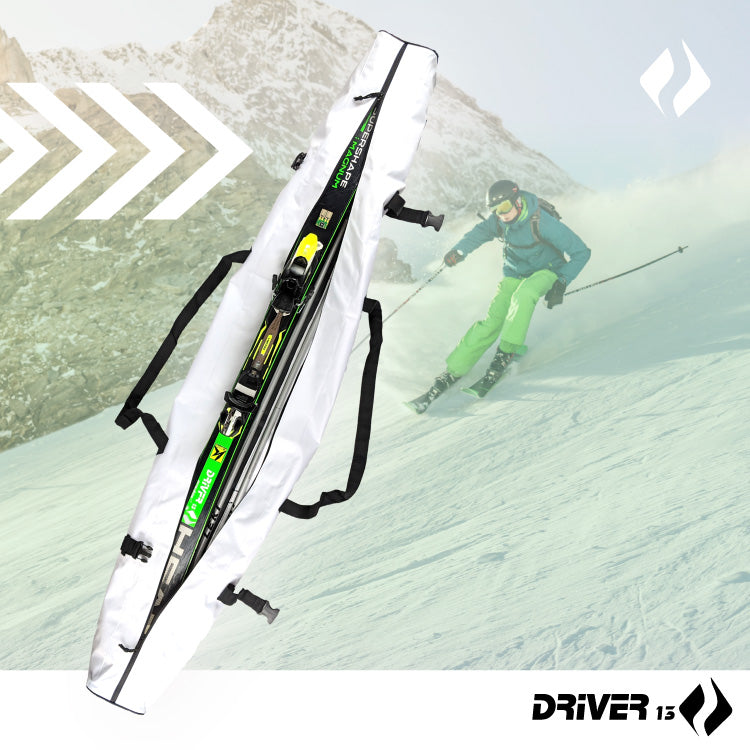
A set of a ski bag and ski boot bag brings order to all your winter sports equipment. Skis, poles and boots travel separately but in a coordinated way. This reduces time spent searching before you set off and prevents sharp edges or binding parts from pressing against boots and accessories. A single bag may be enough for occasional ski days. If you ski regularly or are organising equipment for several people, a clear layout will save you considerable time.
These features matter in everyday use
Material thickness alone does not make a bag good. The key is the combination of protection, ease of use and a sensible layout. Pay particular attention to these four points:
- Water-repellent, durable outer material: It protects the boot and prevents meltwater from quickly seeping through. A bag does not always need to be fully waterproof, but it should be able to reliably contain damp boots.
- Ventilation: Air circulation helps reduce moisture and odours after transport. This does not replace drying at home, but it does improve the situation on the journey home or when staying overnight.
- Reinforced base: Ski boot soles are hard and are often placed on wet asphalt, in the snow or in the garage. A sturdy base protects the material and helps the bag retain its shape.
- Comfortable carrying options: A padded handle is sufficient for short distances. Adjustable shoulder straps or padded backpack straps are much more comfortable for longer distances.
How to pack a ski boot bag properly
Before placing the boots in the bag, remove any large clumps of snow. This only takes a moment, but it significantly reduces the amount of moisture inside. Loosen the buckles so they do not catch on other items. In models with separate boot compartments, place each boot with the sole facing downwards. This keeps the bag stable and protects the upper material of the boots.
Spare clothes, a thin towel or dry socks should only be placed in a separate compartment. Damp gloves should also not be kept in the main compartment with clean clothes for extended periods. If your bag does not have an additional compartment, use a small, closed inner bag for delicate or dry items.
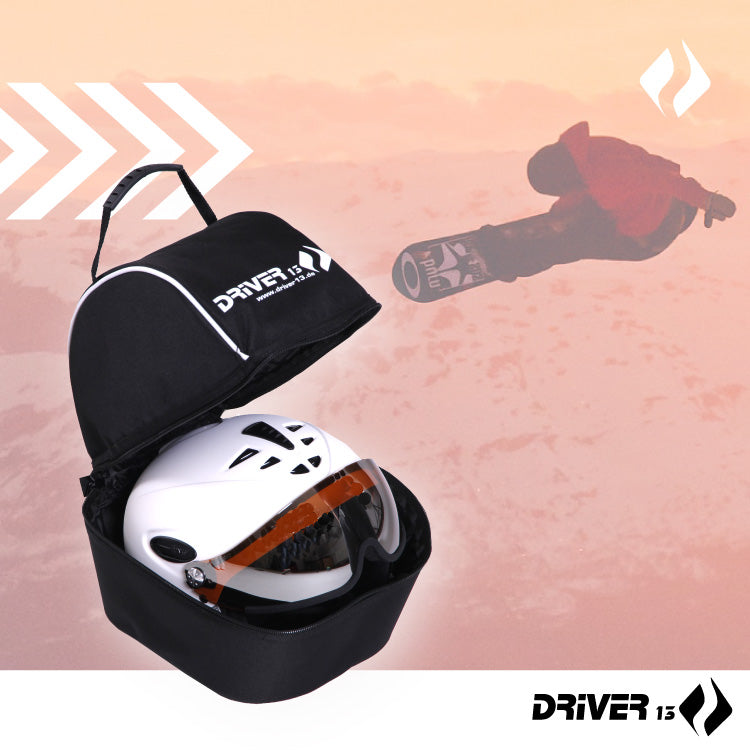
A helmet needs its own space. If the bag has a helmet compartment, the helmet should be placed there with the outer shell facing outwards and without being subjected to pressure. It is best to store ski goggles and spare lenses in a soft goggle bag. Hard buckles can damage lenses and coatings.
Safely transporting and drying damp ski boots
After a day on the slopes, a ski boot bag may be damp. However, it should not be left closed in the car, basement or hallway for days. Open the bag fully at home and remove the boots. If possible, remove the inner boots and leave all parts to dry at room temperature. Direct, intense heat from radiators or fan heaters can damage plastic and other materials.
The bag itself also needs to be looked after. Wipe away water and dirt, check the base and leave the interior open to air out. This prevents odours and extends the life of zippers, coatings and seams. This routine is particularly worthwhile after ski holidays, when the bag may have been heavily used for several days.
Avoiding typical bad purchases
The most common mistake is choosing a bag that only looks big enough at first glance. If the ski boots press against the zipper when you close the bag, the model is too small or poorly designed. Bags without a reinforced base are also impractical if they are regularly placed on wet surfaces, as are models without ventilation for longer journeys and multi-day trips.
Another point is how you carry it. A simple bag may be well-made, but it may still not suit your needs if you have a long walk from the car park. Conversely, a large boot backpack may be unnecessarily bulky for someone who only carries the boots from home to the car. Buy based on how you will actually use it, not on how many extra features you can get.
For families, it is worth clearly assigning bags to each person. Different colours, name tags or separate accessory compartments prevent confusion. When you have several pairs of ski boots, a small organisational aid can quickly save you a lot of time.
Functional solutions for winter sports equipment
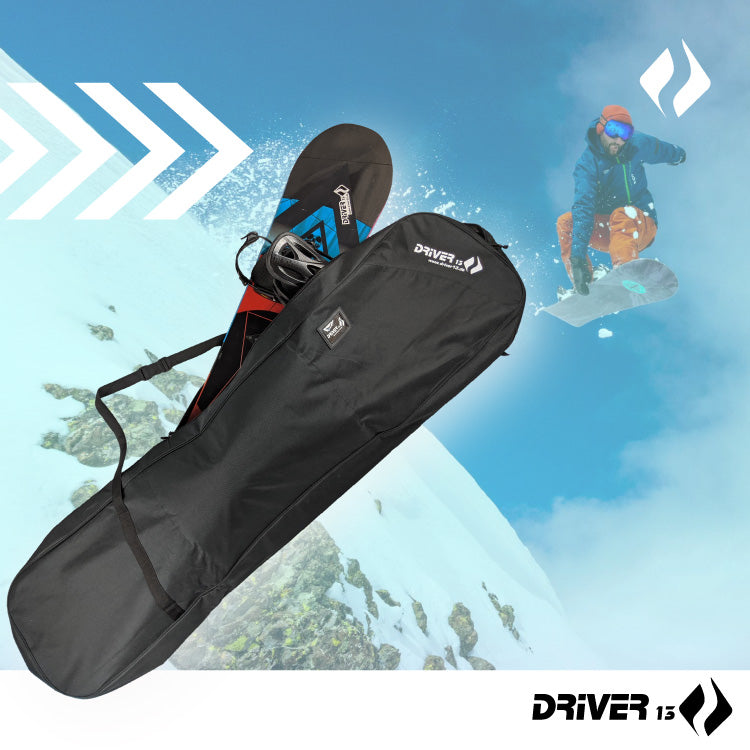
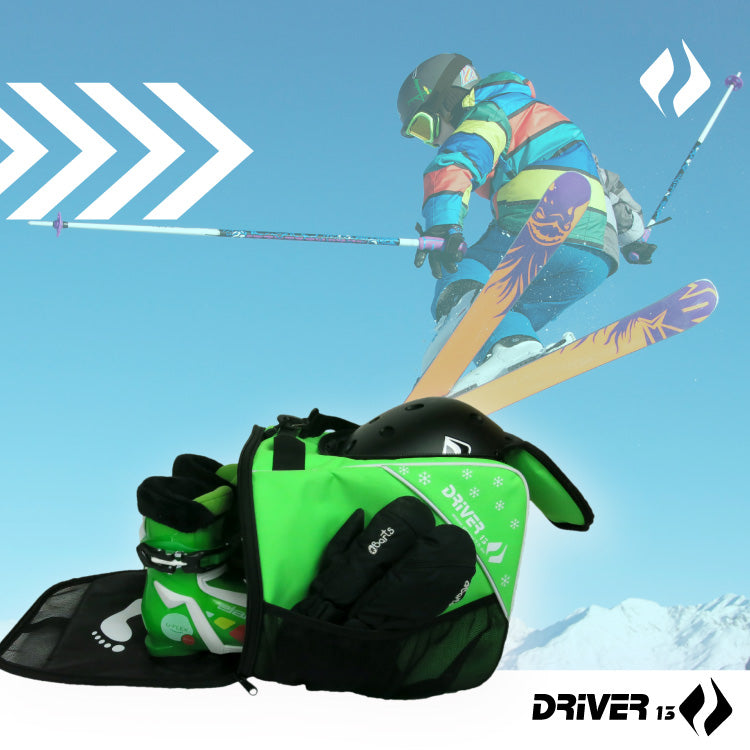
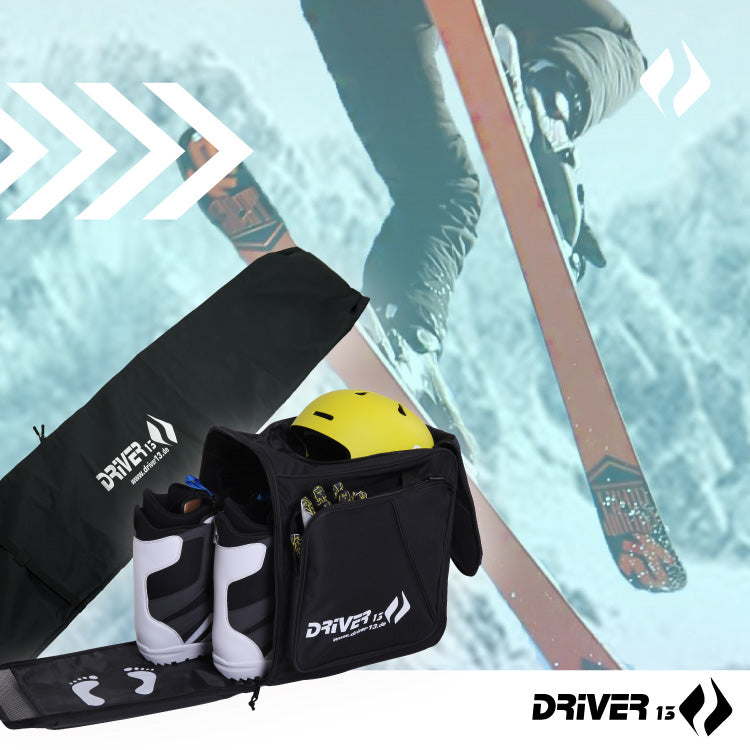
At Driver13, the focus is on sport-specific use: ski boot bags, boot backpacks, helmet bags and ski bags are designed to transport equipment cleanly, safely and neatly. The right combination depends on your day on the slopes. For the short journey to the slopes, compact dimensions and a sturdy handle are what matter. For travel, ski lessons or family holidays, backpack straps, separate compartments and additional storage space are often the better choice.
Do not simply leave your ski boot bag in a corner after your next day on the slopes. If boots, helmets and small items are given their own designated place, the next trip will start without any searching, a wet car or unnecessary time pressure.